

Hot Profit Ideas for Summer: Long-Term Wealth-Building Strategies. The Wealth-Builder Series: Proven Summer Profit Ideas That Deliver Year After Year.
THIS ARTICLE MAY CONTAIN AFFILIATE LINKS, MEANING I GET A COMMISSION IF YOU DECIDE TO MAKE A PURCHASE THROUGH MY LINKS AT NO COST TO YOU. PLEASE READ MY AFFILIATE DISCLOSURE FOR MORE INFO.
DON’T HAVE TIME TO READ THE FULL ARTICLE. HERE’S WHAT YOU ARE MISSING.
- Hot Profit Ideas for Summer: Long-Term Wealth-Building Strategies. The Wealth-Builder Series: Proven Summer Profit Ideas That Deliver Year After Year.
- Summer brings longer days and warmer weather, but it also opens the door to money-making opportunities that have stood the test of time.
- Outdoor Services With Reliable Summer Demand
- Capitalizing on the Pet Care Boom
- Profitable Gig Economy and Flexible App-Based Side Hustles
- Trusted Home and Family Care Opportunities
- Online Income Streams for Long-Term Profitability
- Creative and Unique Summer Ventures
- Easy-to-Start Digital and Micro-Income Ideas
- Frequently Asked Questions
Summer brings longer days and warmer weather, but it also opens the door to money-making opportunities that have stood the test of time.

You can tap into proven business models that people have used successfully for many years to build extra income or launch new ventures.
These legitimate summer profit ideas range from outdoor services like lawn care to online income streams that work year-round, giving you multiple ways to increase your earnings during the busy summer season.
The key to summer profits is choosing opportunities that match your skills, schedule, and goals.
Some options let you work outside and enjoy the weather while earning money through pet care, home services, or seasonal businesses that thrive when temperatures rise.
Other paths keep you indoors with digital work that builds long-term income through proven online platforms and gig economy apps.
This guide walks you through tested money-making strategies organized by category so you can find what fits your life best.
You’ll get a sense of what each opportunity involves, how to get started, and why these options have worked for countless people over many years.
Outdoor Services With Reliable Summer Demand
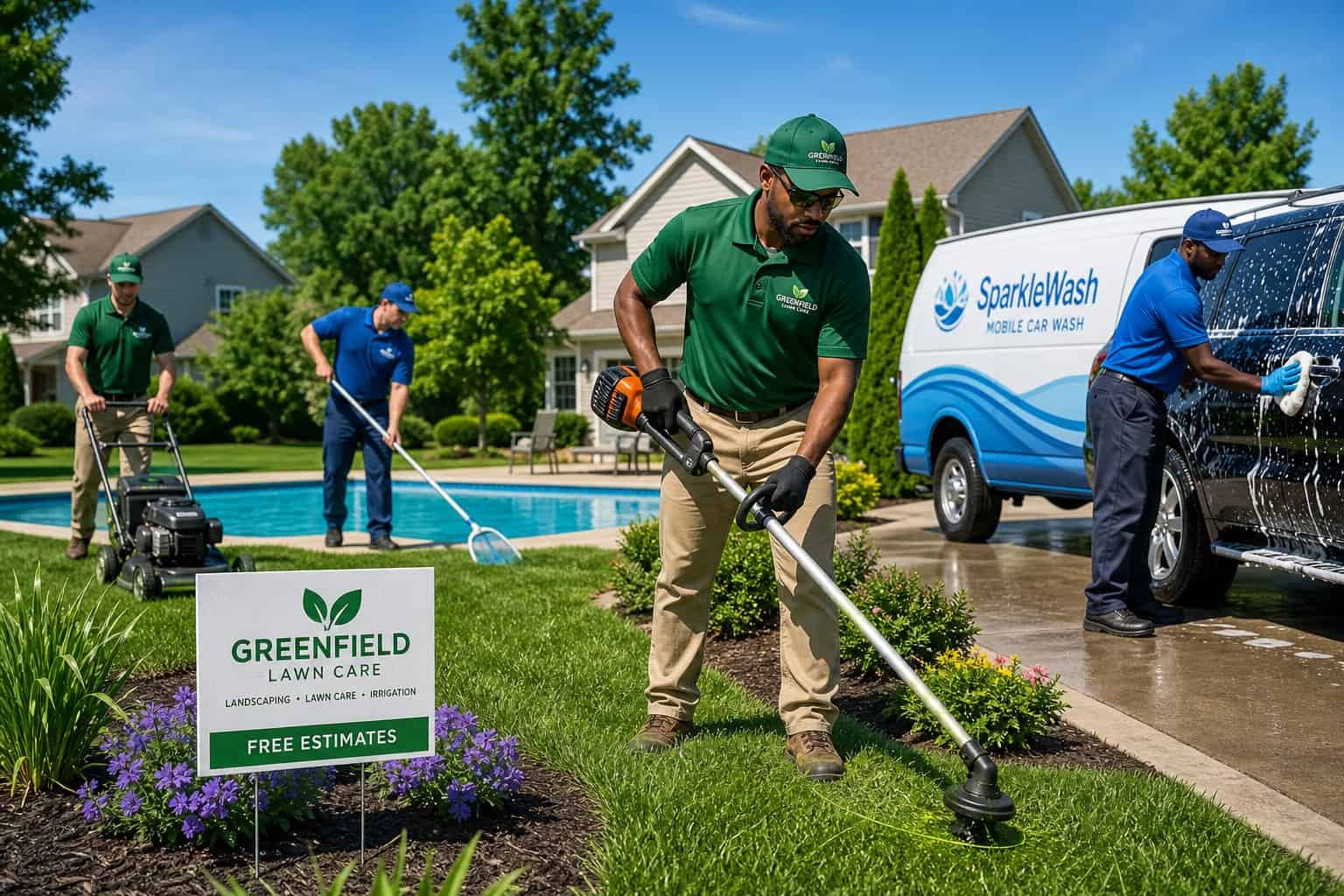
Outdoor service businesses thrive during summer months when homeowners prioritize property upkeep and vehicle maintenance.
Each option offers proven earning potential with manageable startup costs and steady customer demand.
Lawn Care and Landscaping Essentials
Lawn care remains one of the most accessible outdoor businesses you can start with minimal equipment.
You need a reliable mower, trimmer, and a few basic hand tools to get rolling with residential clients.
Most homeowners pay between $30 and $80 per visit depending on yard size and services included.
Your core services should include mowing, edging, and trimming.
These tasks form the foundation of every lawn care appointment.
You can expand into landscaping by adding mulching, planting seasonal flowers, or maintaining garden beds for extra revenue.
Equipment priorities:
- Push or riding mower (based on property sizes you’ll service)
- String trimmer for edges and tight spaces
- Leaf blower for cleanup
- Safety gear, including ear protection and gloves
The profit margin in lawn care usually sits between 50% and 70% after equipment and fuel costs.
Once you set up an efficient route, you can serve 8 to 12 residential properties per day.
Weekly contracts provide a steady income through the summer season.
Starting a Lawn Care Business
You need basic business registration and liability insurance before accepting your first client.
Most states require a business license that costs between $50 and $200.
Liability insurance protects you if equipment damages property or causes injury.
Set your pricing based on square footage or flat rates per property type.
Small yards under 5,000 square feet typically cost $30 to $40, while larger properties over 10,000 square feet command $60 to $100 per service.
Check out competitors in your area to make sure your rates stay competitive.
Marketing starts close to home.
Post on local Facebook groups and neighborhood apps like Nextdoor.
Print simple flyers with your contact information and services offered.
Many successful lawn care and landscaping services grow their client base through referrals.
Create a schedule that groups clients by location to minimize drive time.
Bill customers monthly with payment due within 15 days of service.
Consider offering discounts for customers who prepay for the entire season.
Pool Cleaning and Maintenance Benefits
Pool cleaning brings in higher per-visit income than standard lawn care, with rates ranging from $80 to $150 per monthly service.
You handle water testing, chemical balancing, skimming debris, and vacuuming the pool floor.
Most residential pools need weekly service during peak summer months.
Your startup costs stay low if you begin with basic supplies.
Grab a telescoping pole, skimmer net, pool vacuum, and water testing kit—usually under $200 total.
Chemical supplies like chlorine and pH adjusters are billed separately or included in your service fee.
The pool cleaning business works best in areas with high residential pool ownership.
Subdivisions built in the last 20 years often have pools in 30% to 50% of homes.
One service route can include 20 to 30 pools, generating $1,600 to $4,500 in monthly revenue.
You can learn basic pool chemistry in a weekend through online resources and manufacturer guides.
Focus on maintaining proper chlorine levels between 1 and 3 ppm and pH between 7.2 and 7.6.
Consistent service builds trust and keeps customers coming back.
Car Detailing as a Flexible Outdoor Option
Car detailing lets you work on your own schedule while earning $75 to $200 per vehicle.
Basic exterior washes take 30 to 45 minutes, while full interior and exterior details need 2 to 3 hours.
Mobile car wash and detailing services eliminate the need for a physical location.
Service packages you can offer:
| Package Level | Services Included | Time Required | Price Range |
|---|---|---|---|
| Basic Wash | Exterior wash, tire shine, windows | 30-45 min | $25-$40 |
| Standard Detail | Basic wash plus vacuum, interior wipe-down | 60-90 min | $75-$100 |
| Premium Detail | Full exterior and interior, wax, upholstery cleaning | 2-3 hours | $150-$200 |
Your initial equipment investment stays under $150 with quality soap, microfiber towels, brushes, and a portable vacuum.
Bring water in 5-gallon containers or connect to the customer’s outdoor spigot.
This business works especially well in office parks where you detail cars while owners work.
Build your customer base by offering first-time discounts and package deals.
Monthly maintenance plans encourage repeat business and stabilize your income.
Target busy professionals who value convenience and will pay premium prices for mobile service at their home or workplace.
Capitalizing on the Pet Care Boom

Pet care businesses generate consistent revenue with proven profit margins around 40% and average annual earnings of $1.13 million.
You can enter this market with minimal startup costs while building a sustainable income stream that thrives during summer months when pet owners travel more often.
Dog Walking and Building a Client Base
Dog walking requires minimal investment to start, often less than $1,000, making it one of the most accessible pet business opportunities.
You need basic liability insurance, reliable transportation, and a schedule that accommodates multiple clients.
Start by offering services in your immediate neighborhood.
Create business cards and distribute them at local veterinary offices, pet stores, and community centers.
Your pricing should reflect your local market, typically ranging from $15 to $30 per 30-minute walk.
Build your client base through consistent service and reliability.
Pet owners value punctuality and clear communication about their animals.
Send photo updates during walks and keep your scheduling professional.
Key steps to launch:
- Obtain pet care liability insurance
- Set competitive rates based on local demand
- Create a simple booking system
- Establish walking routes in your service area
Leveraging Pet Sitting for Seasonal Income
Pet sitting becomes especially profitable during summer vacation season when families need reliable care for their animals.
You can charge $25 to $75 per day depending on your services and location.
Offer both in-home visits and overnight stays to maximize your earning potential.
In-home visits work well for clients who want their pets to stay in familiar environments.
Overnight stays command higher rates because you provide round-the-clock supervision.
Your services should include feeding, medication administration, exercise, and regular updates to pet owners.
Many clients will pay premium rates for someone who treats their pets like family members.
Market your availability well before peak travel seasons.
Post on neighborhood social media groups and register with local pet care networks.
Request testimonials from satisfied clients to build credibility with new customers.
Getting Started in Pet Grooming
Pet grooming services require more training and equipment investment but offer higher profit margins than basic pet care.
You can start mobile grooming with $5,000 to $10,000 in equipment or operate from home with proper permits.
Complete a grooming certification program to learn proper techniques and animal handling.
Most programs take 2-6 months and cost between $3,000 and $8,000.
This investment builds customer confidence and helps you avoid injuries to animals.
Purchase quality clippers, shears, bathing equipment, and grooming tables.
Mobile grooming lets you charge 20-30% more than stationary shops because of the convenience factor.
Your services can include:
- Basic baths and brush-outs
- Breed-specific cuts
- Nail trimming and ear cleaning
- De-shedding treatments
Set appointment-only schedules to manage your workload efficiently.
Build relationships with local veterinarians who can refer clients needing grooming services.
Profiting From Platforms Like Rover
Rover connects you with pet owners looking for care services without needing your own marketing infrastructure.
The platform handles payment processing and provides insurance coverage for approved sitters and walkers.
Create a detailed profile highlighting your experience with animals, available services, and rates.
Include clear photos of yourself and any pets you own.
Rover takes a 20% service fee from your bookings, so price your services accordingly.
Respond quickly to booking requests since pet owners often contact multiple providers.
Keep a calendar showing your real-time availability.
Your response time directly impacts your ranking in search results.
Meet potential clients before accepting bookings to ensure compatibility with their pets.
This meet-and-greet builds trust and reduces cancellations.
Request reviews after each completed service to boost your profile visibility.
Track your busiest seasons and adjust your availability to maximize income during peak periods.
Many sitters earn $500 to $3,000 monthly depending on their service offerings and time commitment.
Start accepting bookings today to establish your reputation before summer travel season peaks.
Profitable Gig Economy and Flexible App-Based Side Hustles

App-based gig work offers proven income opportunities with major platforms that have operated successfully for over a decade.
These services let you work on your own schedule while earning competitive rates in your local market.
There are so many ways to make summer count—why not try something new this season? Dive in, experiment, and see which of these profit ideas actually fits your life. If you find something that sparks your interest, go for it. And hey, if you stumble or have questions, reach out or share your journey with others chasing summer success. The best time to start? Probably now.
Driving With Uber and Lyft
Rideshare driving is still one of the easiest ways to jump into the gig economy. Uber and Lyft have been around for over a decade and now reach hundreds of cities across the U.S.
You just need a dependable car, a clean driving record, and a smartphone. Most drivers pull in $15 to $25 an hour after expenses, but rates shift depending on where you are and what time it is.
Peak hours are usually morning and evening commutes, weekend nights, and big events.
Key strategies to maximize earnings:
- Drive during surge pricing periods when demand spikes
- Keep your car clean and your ratings high to unlock premium rides
- Track your mileage and costs for tax deductions
- Use both apps at once to cut down on waiting between rides
Apply through each company’s website or app. The process takes a few days and includes a background check and a quick vehicle inspection.
Maximizing Income With Food and Grocery Delivery
Food and grocery delivery has blown up since 2015, opening up flexible ways to earn. Platforms like Instacart, DoorDash, and Uber Eats let you deliver meals and groceries whenever you want.
Delivery drivers usually make $12 to $25 an hour with tips included. Your take-home depends on how many orders you get, how far you drive, and how generous the tips are.
You can use a car, bike, or scooter depending on your area and the platform.
Ways to increase your delivery income:
- Work during lunch and dinner rushes when orders flood in
- Pick orders that pay more per mile
- Use insulated bags to keep food hot or cold
- Stay in touch with customers about substitutions or delays
Most platforms bring new drivers onboard in 24 to 48 hours. You’ll need a valid license, insurance, and a smartphone. Signing up for more than one app keeps the work steady all day.
Making the Most of Airbnb and VRBO Opportunities
Short-term rental hosting has become a real income stream for property owners since Airbnb hit the scene in 2008. Airbnb and VRBO connect you with travelers who want something different from hotels.
Your earnings depend on what you offer, where it’s located, and how much demand there is. Hosts in tourist hotspots can make $2,000 to $5,000 a month from just one spot.
Rent out a spare room, your whole house, or a vacation property—it’s up to you.
Check local laws first. Some cities want you to have permits or limit short-term rentals. You’ll also need insurance that covers more than a basic homeowner policy.
Steps to become a successful host:
- Look at similar listings to price yours right
- Invest in photos that really show off your place
- Offer basics like fresh linens, toiletries, and wifi
- Reply quickly to messages and set clear house rules
- Keep your calendar current to avoid double bookings
Set up accounts on both Airbnb and VRBO to reach more guests. Make your listing accurate, set clear pricing, and lay out the rules. Sometimes that first booking comes within days of going live.
Trusted Home and Family Care Opportunities

Home and family care jobs offer steady income during the summer when families travel and need help. Startup costs are low, and you probably already have the skills you need.
House Sitting Best Practices
House sitting pays anywhere from $25 to $80 a day, depending on where you are and what you’re asked to do. You get paid to stay at someone’s house while they’re away, handling things like watering plants, bringing in the mail, and keeping an eye on things.
Essential responsibilities include:
- Check the property daily for leaks or damage
- Take care of the lawn and plants
- Feed and exercise pets if needed
- Collect packages and mail
Set clear expectations with homeowners before they leave. Ask for detailed instructions on alarms, appliances, and emergency contacts.
Take photos of the house when you arrive so you’re covered if there’s a dispute later. After each job, ask for a written review to help build your reputation.
Most house sitting gigs last one to three weeks, so you can stack several over the summer if you want.
Securing Babysitting Jobs
Babysitters make $15 to $25 an hour, depending on experience, location, and the number of kids. Summer break means parents need extra help while school’s out.
Key qualifications that increase your earning potential:
- CPR and first aid certification
- Background check
- References from past childcare work
- Skills like tutoring or teaching
Sign up with reputable platforms to find clients fast. Build a detailed profile that shows your experience, when you’re available, and what you charge.
Parents want sitters who communicate well and respond quickly. If you can, offer a regular weekly schedule instead of just one-off days. Repeat clients mean steadier income and less time searching for new families.
Most parents need care for eight to ten hours a day during summer, so there’s plenty of work if you’re available.
Why TrustedHousesitters and Similar Sites Work
TrustedHousesitters and MindMyHouse connect you straight to homeowners who need sitters. These sites handle payments, check insurance, and let both sides leave reviews.
Paying for a membership shows you’re serious about the work. Homeowners see verified profiles with background checks and ratings from other clients. You’ll find thousands of listings across different places.
Platform benefits include:
- Secure messaging
- Insurance during sits
- Help with disputes
- Payment protection
Create a profile that includes good photos and a detailed rundown of your experience. Apply to several listings in your area as soon as they go up. Respond quickly to questions and offer a video call to build trust before booking.
Online Income Streams for Long-Term Profitability

Building income online takes patience, but there are methods that keep working year after year. These four approaches give you flexible, legit ways to earn during the summer and beyond.
Earning Through Affiliate Marketing
Affiliate marketing pays you commissions for promoting products or services with special tracking links. Share these links on your website, blog, social media, or by email—if someone buys through your link, you get a cut of the sale.
It works because companies only pay for actual sales, not just for eyeballs. Amazon Associates is probably the most well-known program, but there are others like ShareASale, CJ Affiliate, or direct programs with brands you like.
The trick is to pick products you really know and can recommend honestly. Start with a topic you’re into—maybe it’s camping gear, kitchen gadgets, or software tools. Make helpful content that answers questions, then slip in your affiliate links where they make sense.
Don’t expect overnight results. Most affiliate marketers need six months to a year of steady content before seeing real income. Watch which products actually sell and double down on those.
Freelance Writing for Content Platforms
Freelance writing is still one of the most reliable ways to earn money online. Companies always need blog posts, website copy, product descriptions, and newsletters written by people who know what they’re doing.
Getting Started with Freelance Writing:
- Create profiles on Upwork and Fiverr to land your first gigs
- Start with lower rates to build reviews and a portfolio
- Stick to topics you know well—tech, finance, health, whatever
- Meet deadlines and always deliver your best work
Rates are all over the place. Beginners might get $25-50 per article, while experienced writers can ask $100-500 or more for specialized pieces.
Medium and LinkedIn also let you write and build an audience. Summer’s actually a good time for freelance writing—lots of businesses want more content before fall rolls around.
You set your own schedule and can work from anywhere with WiFi.
Virtual Assistant Roles and Resources
Virtual assistants help businesses and entrepreneurs with admin, tech, or creative tasks from home. Think email management, scheduling, social media, data entry, customer service, and basic bookkeeping.
This gig keeps growing because small businesses want help without hiring full-time. You don’t need fancy certifications, but knowing certain software can help.
Common Virtual Assistant Tasks:
- Email and inbox management
- Calendar and appointment scheduling
- Social media posting and engagement
- Simple graphic design with Canva
- Customer service replies
- Travel planning and research
Upwork and Fiverr have steady demand for VAs. You can also try Belay, Time Etc, or just reach out to local business owners. Most VAs charge $15-50 an hour, depending on what they offer.
Start with services you already know well. As you get more clients and reviews, you can bump up your rates or specialize in higher-paying areas like project management or tech support.
Online Tutoring and Teaching
Online tutoring connects you with students who need help in subjects you know. The ed-tech space has matured a lot, and there are stable platforms where tutors can earn steady money.
Tutor.com and Wyzant are two big names. Tutor.com pays hourly and matches you with students, while Wyzant lets you set your own rates and build direct relationships.
You can tutor academic stuff like math, science, or English, or teach things like music, coding, or test prep. Requirements depend on the platform and subject—sometimes you need a degree, sometimes just solid experience. Most sites do background checks and might test your knowledge.
Summer is a great time for tutoring, since students are prepping for next year or working on skills. Parents are often willing to invest in extra help when kids have more free time.
Rates run $20-80 an hour, depending on the subject and your background. Sign up with more than one platform to find more students.
Build a detailed profile that shows your education, experience, and teaching style. Respond quickly and stay available to build a reliable client base.
Creative and Unique Summer Ventures

Summer gigs in entertainment, safety, and resale markets keep coming back for a reason—they work. Whether you’re running a food cart, lifeguarding at the pool, or flipping stuff online, there’s real money to be made.
So, why not try something new this summer? Pick a hustle that fits your lifestyle, dive in, and see where it takes you. There’s never been a better time to explore new ways to earn—and who knows, your next side gig might just turn into something bigger. Ready to get started?
Ice Cream Truck Profits and Operation Tips
Running an ice cream truck business can pull in anywhere from $200 to $500 per day during those hot summer months. Before you hit the road, you’ll need a commercial driver’s license, a food handler’s permit, and liability insurance.
Getting started means covering the cost of the truck, freezer, and initial inventory. If you lease, expect to spend $2,500 to $5,000, but buying one outright jumps that up to $20,000–$80,000.
Key profit factors:
- Pick routes in busy areas—think parks, beaches, neighborhoods.
- Offer a mix of crowd-pleasers and high-margin novelties.
- Work peak hours: 2–8 PM on weekdays, 12–9 PM on weekends.
- Watch your fuel and maintenance costs.
Plan stops near schools, pools, and youth sports fields. Build connections with event organizers to snag festival spots. Track daily sales by location so you know which stops are worth repeating.
Working as a Lifeguard or Sports Referee
Lifeguards earn $15 to $25 per hour. You’ll need American Red Cross certification, which takes about 25–30 hours and costs $200–$400. It’s good for two years.
Sports referees make $25 to $75 per game, depending on the sport and level. Most refs start out with youth leagues, then move up to high school or adult games with experience.
Lifeguarding requirements:
- CPR and First Aid certification
- Pass a 300-yard swim test
- Stay physically fit and alert for long shifts
- Work outdoors in all weather
Sports officiating requirements:
- Know the rules and regulations for your sport
- Finish the necessary certification courses
- Carry professional liability insurance
- Be able to communicate and handle conflicts
Check with your local parks department, YMCA, or rec center for lifeguard jobs. For referee gigs, reach out to youth sports leagues or school athletic departments.
Ride Operators and Theme Park Jobs
Theme park jobs usually start at $14–$18 per hour, and you can grab overtime if the park gets busy. Parks like Six Flags, Cedar Point, and other regional spots hire hundreds of seasonal workers every summer.
Ride operators get paid training on safety, emergency procedures, and how to use the equipment. You need to be at least 16 for most jobs, but some rides require you to be 18.
Available positions:
- Ride attendant/operator
- Games attendant
- Food and beverage service
- Guest services/ticket sales
- Maintenance/grounds crew
Perks? Many parks give you free admission, discounted food, and guest passes. Some big resorts even have housing for seasonal workers who live far away.
Apply online through park websites starting in February or March. Parks hold mass hiring events in April and May, often with same-day job offers if you’re a good fit.
Selling on eBay and Facebook Marketplace
Selling stuff online through eBay and Facebook Marketplace can bring in steady cash with barely any upfront cost. Some folks pull in $500 to $3,000 a month by flipping finds from garage sales, estate sales, or clearance racks.
eBay charges a 12.9% final value fee plus $0.30 per transaction for most things. Facebook Marketplace takes 5% for shipped items over $8, or just $0.40 if it’s under that.
High-profit item categories:
| Category | Average Profit Margin | Best Sources |
|---|---|---|
| Vintage clothing | 200-400% | Thrift stores, estate sales |
| Electronics | 50-150% | Clearance sales, trade-ins |
| Collectibles | 100-300% | Garage sales, auctions |
| Home goods | 75-200% | Liquidation sales, donations |
Start by selling things you already own. That way, you learn the ropes without risking money. Use good lighting and snap photos from different angles. Be honest—mention measurements, flaws, and brands in your descriptions.
Check what similar items actually sold for on eBay before pricing yours. Ship quickly—ideally within one business day—and message buyers back fast to keep your ratings high.
Easy-to-Start Digital and Micro-Income Ideas

Digital platforms and micro-income streams make it super easy to get started, and you don’t need a lot of cash up front. These options have stuck around for years, and they let you earn flexibly while you build toward bigger goals.
Taking Online Surveys for Extra Cash
Online surveys pay you to share your opinions about products, services, or ads. Companies want feedback before launching new stuff, so they pay for your time.
Most survey sites are free. Set up your profile, watch for email invites, and get cash or points for each completed survey. Pay depends on how long or complicated the surveys are.
Swagbucks has been around since 2008 and pays in gift cards or PayPal. Survey Junkie started in 2013 and pays cash. Vindale Research, since 2005, pays $0.50 to $50 per survey, depending on the topic.
Realistically, you can make $50 to $200 a month if you stick with it. Higher-paying surveys usually want specific backgrounds or jobs.
Getting started: Join three to five reputable sites to get more invites. Set aside 30 minutes a day for surveys. Keep track of which sites send the best matches for you, and focus there to earn more for your time.
Turning a Summer Side Hustle Into Ongoing Income
Plenty of summer side hustles can stick around past the season if you plan ahead. Dog walking, for example, never really goes out of style—dogs need walks year-round.
Think about which summer jobs solve problems all year. Lawn care can switch to snow removal. Pool cleaning skills work for hot tubs. Event photography? That works for holiday parties, too.
Get to know your clients over the summer, then let them know you’re available year-round before the season ends. Offer bundled services or ongoing plans to keep people coming back.
Adjust your prices if you need to during slower months. Sometimes a small discount keeps your schedule full and your income steady.
Taking action: Before summer wraps up, email your best clients about your off-season services. Keep it simple—just let them know you’re still available and mention any new offerings.
Managing Multiple Summer Side Hustles
Juggling a few income streams takes some organization, but it boosts your earning power and helps you avoid those “uh-oh” moments if one dries up. Most folks who do this well stick to two to four hustles, picking ones that fit into different parts of their day.
Make a weekly schedule and block out time for each hustle. Maybe mornings are for dog walking, afternoons for online surveys, and evenings for freelance gigs.
Use separate trackers or apps for each income stream. That way, you know which ones are actually worth your time.
Don’t overdo it. Start with one side hustle, get your routine down, then add another once you’re comfortable. Better to do a few things well than a bunch of things halfway.
Implementation steps: Write out your available hours. Match those blocks to side hustles based on when clients need you or when you feel most productive. Test your schedule for a couple weeks, then tweak it as you go.
Frequently Asked Questions

Building a profitable summer business isn’t just about theory—it’s about what actually works. Here are some real-world answers to help you avoid rookie mistakes and focus on what lasts.
Which summer businesses have a proven track record of profitability for many years?
Lawn care and landscaping top the list, and they’ve been reliable for way more than a few decades. These businesses bring in steady money since grass keeps growing all summer. You can get started with under $500 in gear and grow into a six-figure operation if you want.
Pool maintenance is another steady earner in areas with lots of pools. Pool owners need weekly service during swim season, so you get predictable income that doesn’t just vanish after a month.
Power washing stays profitable because once you buy the equipment, you don’t have many recurring costs. You can charge $150 to $300 per job, and most take just a couple hours. People always need decks, siding, and driveways cleaned.
Mobile car detailing is great since you skip rent and go right to the customer. Cars always get dirty, and folks will pay more for convenience, which keeps this business strong year after year.
What low-cost summer business ideas can realistically generate high profit without legal or compliance risks?
Dog walking and pet sitting barely need any investment—just insurance and some supplies. You can charge $25–$50 per visit in most places. Legal requirements are usually light, but check your local rules just in case.
Gutter cleaning only takes a ladder, gloves, and a few hand tools. Most jobs take less than two hours, and you can charge $100–$200 per house. Standard business insurance covers you for liability.
Yard maintenance services can start with tools you probably already own. You’ll need to register your business and get a basic license, but most towns don’t ask for special certifications for mowing or trimming.
Plant and produce sales at farmers markets are a fun way to turn gardening into cash. Just check your state’s cottage food laws—they usually let you sell a decent amount each year without needing a commercial kitchen.
How can a seasonal side business be structured to produce long-term, repeatable income year after year?
Start by collecting customer info and setting up recurring service agreements instead of just one-off jobs. Weekly or bi-weekly lawn care contracts turn random gigs into regular monthly income.
Offer subscription models where customers pay up front for the season at a slight discount. That gives you cash flow and locks in your income for the next few months. Pool and lawn care work especially well here.
Add services for other seasons—start with mowing, then offer leaf removal, snow shoveling, or spring cleanups. You turn a summer gig into a year-round business for the same clients.
Hire help so you’re not stuck doing everything yourself. Focus on sales and quality, and let others handle the day-to-day work. That way, your business can grow beyond just your own labor.
Keep good records—track what marketing brings in customers, which services sell best, and where you make the most profit. Document your systems so you can repeat your success every year, or even hand off tasks as you scale up.
Ready to make your summer hustle count? Whether you’re scooping ice cream, selling vintage finds, or mowing lawns, there’s a path for you. Try something, learn as you go, and don’t be afraid to tweak your approach. The best time to start is now—so why not take the first step today?
What criteria should be used to evaluate whether a summer business opportunity is truly viable and worth the investment?
Figure out your real hourly rate after you subtract every expense—equipment, fuel, insurance, taxes, the whole lot. A business that brings in $500 a day might sound great, but if you’re dropping $200 on costs and working 10 hours, you’re actually earning $30 an hour before taxes. Not quite as flashy as it looked on paper, right?
Don’t just trust national stats—dig into your local market. Drive around and actually count pools, big yards, or boats. Call up local venues and ask how many weddings they’re booking each summer weekend. Sometimes the numbers in your own backyard are way different from what you see online.
Before you shell out cash, check the legal requirements and insurance costs. Call your state’s business licensing office. Get quotes from insurance agents. Some businesses have regulations or crazy-high premiums that eat up all your profit before you even get started.
Try the business model out with as little investment as possible. Use borrowed or rented gear for your first few gigs. That way, you can see if people actually want what you’re offering and adjust your prices before you go all-in and buy expensive equipment.
Go for businesses that bring in repeat customers, not just one-time sales. Sure, painting a house for $3,000 is a big chunk, but mowing a lawn for $150 a week adds up to $1,800 over twelve weeks—without having to find a new customer every time.
What are the most effective, ethical strategies to increase profit margins in a seasonal business?
Don’t race to the bottom on price. Charge what your service is worth. Check out what established competitors are asking and price yourself in the middle or even a bit higher. The right customers will pay for quality, and honestly, you’ll avoid the headaches that come with bargain-hunters.
Cut down on travel time and fuel costs by grouping your customers in the same neighborhoods. Offer a deal to the neighbors of your current clients, or just focus your marketing on one or two subdivisions. Less time driving means more jobs you can finish in a day. That’s just smart business.
Upsell extra services to customers you’re already visiting. If you’re mowing a lawn, suggest hedge trimming, mulch, or fertilizer. They’re already paying you to show up, so these add-ons are pure profit—no extra drive or setup needed.
Buy your supplies and equipment when everyone else isn’t. Pick up your mower or trimmer in September, not May, when dealers are clearing out inventory. Stock up on mulch, cleaning supplies, whatever you need, when winter prices are rock-bottom. It’s a little thing, but it adds up fast.
Find ways to work faster without cutting corners. Get your hands on professional-grade tools or equipment that let you finish jobs in half the time. Here’s a good place to start: professional-grade tools for lawn care businesses. Sometimes, it’s the gear that makes all the difference.
Summer business can be a wild ride, but if you’re smart about your choices, you’ll come out ahead. So, what’s holding you back? Dive in, do your homework, and make this season count!
Which home-based business models tend to perform best during the summer months, and why?
Service businesses that start at home but take you out to customer locations can really shine in summer. Lawn care, power washing, and mobile car detailing, for example, let you skip the hassle of commercial rent.
Customers want these services done at their homes, especially when the weather’s warm and everyone’s outside. You keep your overhead low and, honestly, get to hold onto more of what you make.
Disclaimer: Millennial Credit Advisers is not a licensed credit service provider or financial advisor. We do not offer credit repair, debt management, or legal services. Educate yourself on saving, reducing debt, and managing credit to improve your finances. Understand credit reports, scores, and financial products. Consult a financial advisor for personalized guidance. Track your progress for an improved credit journey.
Written content – “Please view our complete AI Use Disclosure.”
We enhance our products and advertising by using Microsoft Clarity to understand how you interact with our website. Using our site, you agree that we and Microsoft can collect and utilize this data. Our privacy policy provides further details.