Credit Monitoring Services. A Comparison for Smart Savers Who Want to Protect Their Financial Future. Find Out More In Our Latest Article.
THIS ARTICLE MAY CONTAIN AFFILIATE LINKS, MEANING I GET A COMMISSION IF YOU DECIDE TO MAKE A PURCHASE THROUGH MY LINKS AT NO COST TO YOU. PLEASE READ MY AFFILIATE DISCLOSURE FOR MORE INFO.
DON’T HAVE TIME TO READ THE FULL ARTICLE. HERE’S WHAT YOU ARE MISSING.
Your credit score is one of the most critical numbers in your financial life. It affects how much you pay for loans, whether you can rent an apartment, and even how much you pay for insurance.
Your credit score plays a crucial role in many significant financial decisions, often making or breaking opportunities.
Understanding where your credit score matters most — and how to protect it — can save you thousands of dollars and open doors to better financial options.
Here are the top five financial items where your credit score has a significant impact, along with data-backed insights:
- Mortgage Approval and Interest Rates
- Auto Loans
- Credit Card Approvals and Terms
- Renting an Apartment
- Insurance Premiums
1. Mortgage Approval and Interest Rates
- Impact: Your credit score heavily influences whether you qualify for a mortgage and the interest rate you receive.
- Data: According to FICO, borrowers with a credit score above 760 typically secure mortgage rates about 0.5% to 1.0% lower than those with scores around 620. On a $300,000 mortgage over 30 years, this difference can translate into more than $40,000 in interest savings.
- Example: A borrower with a 760+ score might get a 3.5% interest rate, while someone with a 620 score might pay 4.5% or higher.
- Why it matters: A higher credit score means lower monthly payments and a better chance of approval, making homeownership more affordable and accessible.
2. Auto Loans
- Impact: Credit scores determine eligibility and interest rates on auto loans.
- Data: Experian’s 2023 State of the Automotive Finance Market report shows the average interest rate for new car loans is about 3.5% for borrowers with excellent credit (781-850) but can exceed 14% for those with poor credit (300-579).
- Example: On a $25,000 car loan over 60 months, a 3.5% APR results in monthly payments of about $454, while 14% APR means payments of about $580, costing thousands more over the loan term.
3. Credit Card Approvals and Terms
- Impact: Credit scores affect whether you get approved for credit cards, your credit limit, and your APR.
- Data: According to Experian, individuals with scores above 750 are more likely to qualify for premium cards with rewards and low APRs (around 13-16%), while those with scores below 600 often face higher APRs (20%+) or denial.
- Example: A higher credit score can unlock cards with 0% introductory APR offers and lucrative rewards, saving money and providing financial flexibility.
- Benefit: Better credit scores mean access to more favorable credit cards, lower interest rates, and higher credit limits, which can improve your financial flexibility.
4. Renting an Apartment
- Impact: Landlords and property managers commonly check credit scores to assess reliability.
- Data: A 2022 survey by RentCafe found that 80% of landlords use credit scores as part of tenant screening. A low score can lead to denial or require a larger security deposit.
- Example: Applicants with scores below 600 may be asked to pay double the security deposit or be denied outright, limiting housing options.
5. Insurance Premiums
- Impact: Many insurers use credit-based insurance scores to set premiums for auto and homeowners insurance.
- Data: According to the Insurance Information Institute, a good credit score can reduce auto insurance premiums by up to 20-30%. Conversely, poor credit can increase premiums significantly.
- Example: Drivers with excellent credit might pay $1,200 annually for auto insurance, while those with poor credit could pay $1,560 or more for the same coverage.
- Consequence: Poor credit can limit your housing options or increase upfront costs, making it harder to secure the apartment you want.
- Why it matters: A better credit score means lower insurance premiums, which can save you hundreds or even thousands of dollars annually.
Summary Table: Credit Score Impact on Key Financial Items
| Financial Item | Credit Score Impact | Data Example |
|---|---|---|
| Mortgage | Approval & interest rates | 0.5%-1% lower rate for 760+ vs. 620 score; $40k+ saved over 30 years |
| Auto Loans | Approval & APR | 3.5% APR (excellent) vs. 14% APR (poor); $7,500+ extra interest |
| Credit Cards | Approval, limits, APR | 13-16% APR (good) vs. 20%+ APR (poor) |
| Renting Apartments | Approval, security deposit | 80% landlords check; low score may require double deposit |
| Insurance Premiums | Premium rates | Up to 30% higher premiums with poor credit |
In essence, a strong credit score unlocks better financial opportunities, lowers costs, and increases your options across these major financial moments.
Credit monitoring services let you track changes to your credit reports and warn you when something looks off.
These tools can catch identity theft early and help you figure out what actually impacts your credit score.

Credit monitoring services go from free basic options to paid plans that run $10 to $30 per month. Picking the right one really depends on your budget and how much protection you want.
People often wonder if they should pay for credit monitoring when free choices exist. The reality is, each service offers something a little different, so what works for your neighbor might not work for you.
Before you sign up, make sure you know what you’re actually paying for. Some plans only check one credit bureau, while others keep an eye on all three. Some toss in identity theft insurance, but others just send alerts.
This comparison aims to help you spot the service that fits your financial goals and gives you the most bang for your buck.
Millennial Credit Advisers Takeaways
- Credit monitoring services track your credit reports and alert you to changes that could signal fraud or errors.
- There are both free and paid options, all with different levels of protection, monitoring frequency, and extras like identity theft insurance.
- The best service for you depends on your budget, your risk tolerance, and whether you want monitoring from one or all three credit bureaus.
Understanding Credit Monitoring Services
Credit monitoring services keep tabs on your credit reports and let you know when something changes. They help protect your financial info and give you a little more peace of mind about your credit health.
What Are Credit Monitoring Services?
Credit monitoring services watch your credit reports from Equifax, Experian, and TransUnion. When something changes, you get an alert.
They track new accounts, credit inquiries, changes to your credit limit, and updates to your payment history. Some even scan the dark web for your info.
You can pick between free or paid options. Free services usually just monitor one bureau. Paid services often watch all three bureaus and throw in extras like identity theft insurance.
All these services do pretty much the same basic thing: they notify you quickly when something pops up on your credit report. That way, you can catch problems early.
Why Credit Monitoring Is Essential for Smart Savers
Your credit score affects what you pay for loans, credit cards, and even insurance. A lower score means higher interest rates, which adds up over time.
Identity theft can destroy your credit before you even notice. Thieves could open accounts or max out your cards without you knowing. Credit monitoring helps by catching weird activity early.
Smart savers need solid credit to hit their financial goals. Want to buy a house, launch a business, or get a car loan? Your credit matters.
Fixing credit issues takes time. The faster you spot an error or fraud, the easier it is to fix—and the less stressful it gets.
How Credit Monitoring Works
Credit monitoring services connect straight to credit bureau databases. They check your reports regularly, sometimes every day. When they notice a change, you’ll get an alert by email, text, or app.
Common alerts include:
- New credit accounts opened
- Hard credit inquiries
- Changes to your account balances
- Late or missed payments
- Public records like bankruptcies
- Address changes
When you get an alert, you look it over to see if it’s legit. If you recognize it, great—no action needed. If not, you can dispute it with the bureau.
Many credit monitoring services also show you your credit score updates. Some update monthly, others more often. It’s handy for tracking your progress.
Premium services might add stuff like credit report copies, score simulators, or identity restoration support. These extras can help you understand your credit and maybe even improve it.
Comparing Leading Credit Monitoring Services
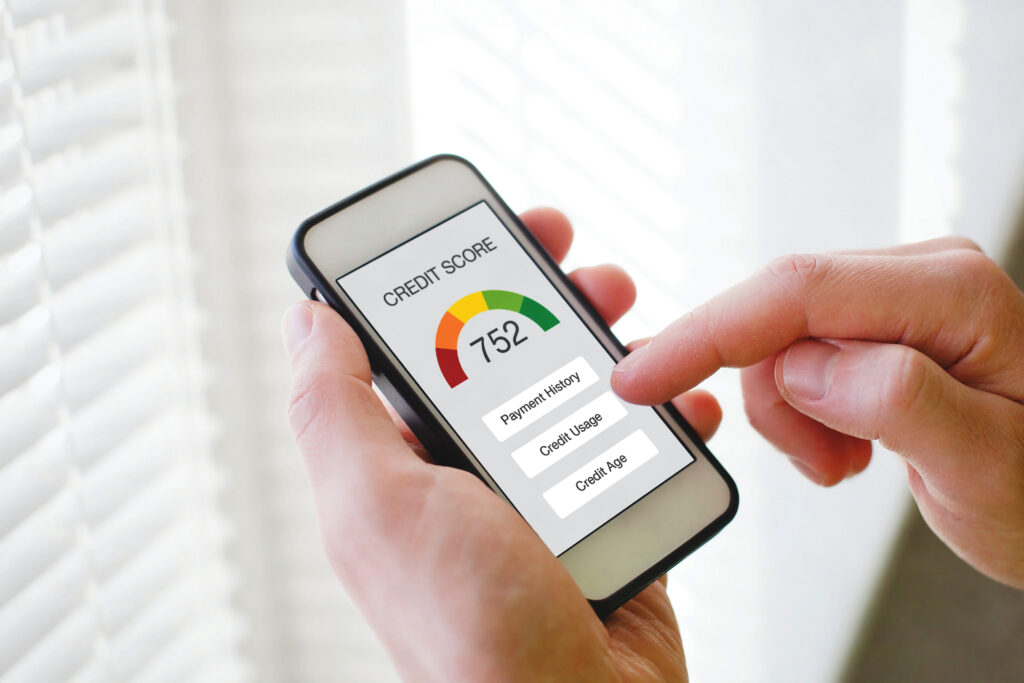
When you’re picking a credit monitoring service, you’ve got to weigh the costs, features, and how seriously they take security. It’s not just about price—it’s about what you get and how safe your data stays.
Cost and Subscription Options
Credit monitoring services go from free basic plans to premium ones that cost $30 or more a month. Free services usually only cover one bureau and send basic alerts. Mid-tier plans, often $10-20 a month, cover all three bureaus.
Premium options might toss in identity theft insurance or family plans. Some companies offer annual subscriptions that save you 15-20% over paying monthly. Before you sign up, check if your bank or credit card already gives you free credit monitoring as a perk.
Most paid credit monitoring companies let you try their service free for 7 to 30 days. These trials help you see if it’s worth it. Watch out, though—some require a credit card and will automatically charge you unless you cancel.
Features and Tools Offered
Top credit monitoring services track changes to your credit and send you alerts for new accounts or inquiries. Most show your credit score from at least one bureau. Premium plans usually monitor all three bureaus at once.
Common features include:
- Credit score tracking and updates
- Dark web monitoring for your info
- Social Security number monitoring
- Alert notifications by email, text, or app
- Credit report access and analysis
- Identity theft help
- Credit score simulators
Advanced services might offer lost wallet protection, court records monitoring, or up to $1 million in identity theft insurance. Some even have financial management tools to help you figure out what’s hurting or helping your score. The best ones send alerts almost instantly so you can react fast.
Security Measures and Data Protection
Your credit monitoring service should use bank-level encryption to keep your info safe. Look for 256-bit encryption and SSL technology. Two-factor authentication is a must for that extra layer of safety.
Reputable services stick to strict privacy rules about how they use your data. They should never sell your info to third parties unless you say it’s okay. Make sure the company stores your Social Security number and other sensitive details on secure servers with regular security audits.
Top credit monitoring providers follow industry standards and data protection laws. They should have clear plans for letting you know if there’s a data breach. Look for secure mobile apps with automatic logout and biometric logins, too.
Advantages and Disadvantages of Credit Monitoring Services
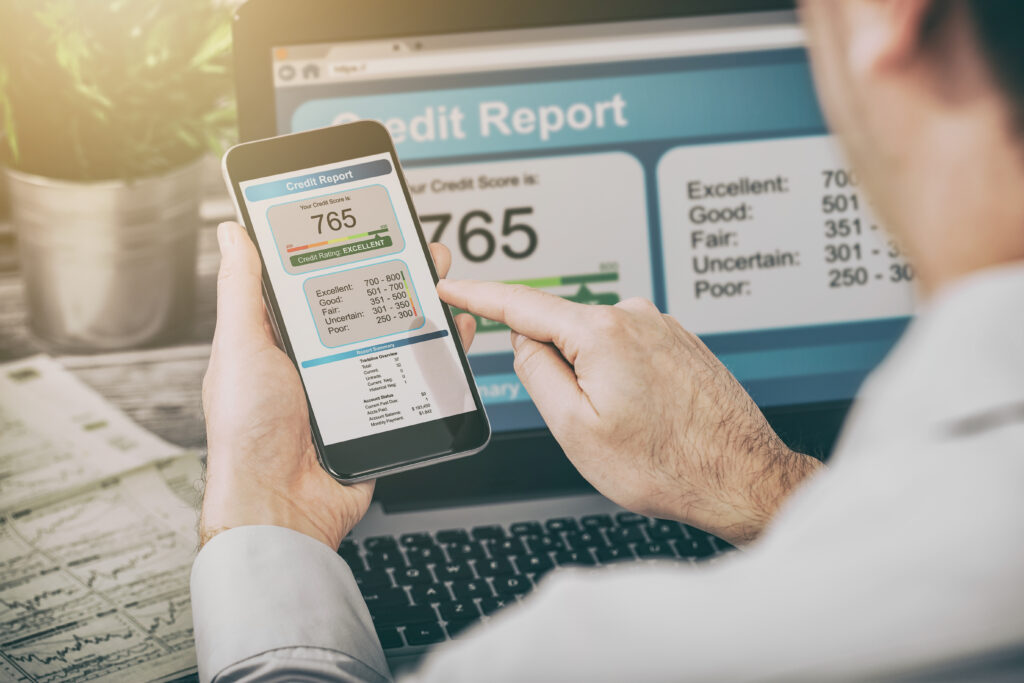
Credit monitoring services offer protection and peace of mind, but they come with costs and limits that can vary quite a bit. Knowing what these services can (and can’t) do helps you make a smarter choice for your finances.
Key Benefits of Using Credit Monitoring Services
Credit monitoring services watch your credit reports and ping you when something changes. You’ll get notified about new accounts, inquiries, or changes to your score. This early warning system can help you spot identity theft before it spirals out of control.
Many services cover all three major credit bureaus, so you can see your reports and scores in one spot. The benefits of credit monitoring include real-time alerts by email or text.
Some paid services add perks like dark web monitoring or identity theft insurance. These scan for your info on sketchy websites. If someone does steal your identity, the insurance can help with recovery costs. You might also get access to credit experts who can walk you through fixing issues.
Potential Drawbacks to Watch For
The biggest downside? Cost. Paid credit monitoring services run $10 to $30 a month (sometimes more), and that adds up—especially if you’re monitoring your whole family.
Credit monitoring won’t actually prevent identity theft. It just tells you after something happens. By the time you get the alert, a thief might have opened an account in your name.
Some services only monitor one or two bureaus, not all three. That leaves gaps, since creditors can report to any bureau. Different credit monitoring systems offer different levels of coverage.
Free services usually come with fewer features. You might get alerts less often or miss out on things like credit score tracking and identity theft insurance.
Evaluating Services for Different Financial Needs
Your choice really comes down to how many accounts you juggle and your comfort with risk. Free credit monitoring services might be enough if you just have a couple of credit cards or accounts.
Consider a free service if you:
- Have a simple credit profile
- Can check your own credit regularly
- Want basic alerts without extra cost
A paid service makes more sense when you:
- Manage multiple accounts and credit cards
- Travel frequently or shop online often
- Want comprehensive three-bureau monitoring
- Need identity theft insurance for peace of mind
Take a close look at what each service includes before you pay. Check if it covers all three credit bureaus, how fast it sends alerts, and what kind of customer support you can actually reach.
Some employers and banks toss in free credit monitoring as a perk, so poke around and see what you already get before signing up for something new.
Your budget should factor in too. Spending $20 a month adds up to $240 a year—so ask yourself if the protection justifies that price for your situation.
Key Giveaways and Tailored Recommendations
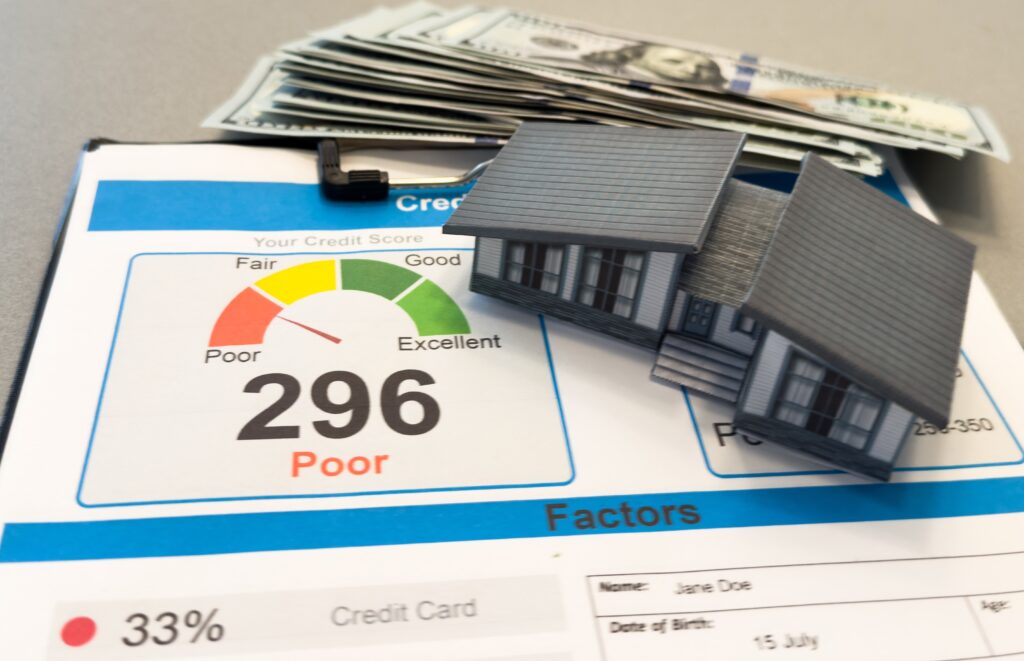
Smart credit monitoring means matching services to your financial habits and goals. The “best” choice really depends on your credit situation, your budget, and which features actually matter to you.
Choosing the Right Service for Your Goals
Your financial situation shapes which credit monitoring service fits. If you’re building credit from scratch, look for services with credit score simulators and guides about payment history.
For different financial stages:
- Active savers might just want basic monitoring with fraud alerts and monthly score updates
- Home buyers could use three-bureau monitoring and mortgage-specific tips
- Identity theft victims should look for dark web monitoring and identity restoration help
Free services like Credit Karma can work fine if you only want to track your score. You’ll get updates from two major bureaus without paying a cent.
Paid services, which usually run $10 to $30 a month, add perks like daily monitoring, insurance, and the ability to lock your credit report.
Think about your risk level too. Folks with higher incomes or big savings accounts face more identity theft risk, so it’s worth investing in robust monitoring with insurance coverage—sometimes up to $1 million.
Future Trends in Credit Monitoring
Credit monitoring tech keeps evolving. Artificial intelligence now scans your credit files for odd patterns that most people would probably overlook.
Real-time alerts are becoming the norm. Some services ping you within minutes if there’s a credit inquiry or a new account pops up. That speed can make a real difference in stopping fraud before things get out of hand.
Biometric security is adding another layer. Fingerprint and facial recognition tech make it harder for crooks to break in, even if they steal your passwords.
Banks and credit card companies are starting to offer free monitoring as a basic perk. So, you might already have some protection just by having an account.
Action Steps for Smart Savers
Start by checking what credit monitoring your bank or credit card already provides. A lot of people don’t realize they have free services waiting for them.
Try these steps this week:
- Check your credit reports from all three bureaus at AnnualCreditReport.com
- Sign up for fraud alerts with at least one bureau
- Review your bank’s included monitoring features
- Compare three paid services if you want extra protection
Set a reminder to review your credit reports every four months. Rotate between the three bureaus so you can catch errors or fraud quickly—no need to pay for constant monitoring.
Freeze your credit at all three bureaus if you’re not planning to apply for new credit soon. It’s free and blocks criminals from opening accounts in your name. You can always unfreeze it if you need to.
Write down your current credit scores and set a couple of goals. Track your progress every month to see how your choices affect your scores.
Final Thoughts
Your credit score is more than just a number—it’s a powerful financial tool that influences some of the most important moments in your life.
Whether you’re buying a home, financing a car, applying for credit, renting a place to live, or shopping for insurance, maintaining a strong credit score can save you thousands and open doors to better opportunities.
Using credit monitoring services helps you stay on top of your credit health, detect problems early, and make smarter financial decisions.
Protect your credit score today to ensure it works for you during life’s big financial moments.
Frequently Asked Questions

Credit monitoring services spark a lot of questions about cost, features, and whether they’re actually worth it. Getting clear on these points helps you make smarter decisions about protecting your financial information.
Given how much your credit score affects these financial milestones, protecting and improving your credit is essential. This is where credit monitoring services come in. Here’s how they help:
How Credit Monitoring Services Protect and Benefit Consumers
- Early Fraud Detection: Credit monitoring alerts you immediately to suspicious activity, such as new accounts opened in your name, helping prevent identity theft.
- Credit Score Tracking: Regular updates show how your financial behaviors affect your credit score, empowering you to make informed decisions.
- Error Identification: Monitoring services help you spot errors or outdated information on your credit report, allowing you to dispute inaccuracies that could harm your score.
- Financial Planning: By understanding your credit trends, you can time major financial moves—like applying for a mortgage—when your score is strongest.
- Peace of Mind: Continuous oversight reduces anxiety about unseen credit issues and helps maintain healthy financial habits.
How can credit monitoring services benefit my financial health?
Credit monitoring services keep an eye on your credit reports and alert you when something new pops up. You’ll get notifications about new accounts, credit inquiries, or changes to your existing accounts.
This early warning helps you spot errors or fraud before they wreck your credit score. Most providers also show you what’s affecting your score and offer tips to improve it.
You can track your progress over time and see how your choices shape your credit health. Regular monitoring keeps you in the loop and helps you prep for big purchases like a home or car.
When you address issues before applying for loans, you save time and maybe a chunk of money in interest.
What factors should I consider when choosing a credit monitoring service?
The number of credit bureaus a service monitors is huge. Some only check one, while others cover all three—Equifax, Experian, and TransUnion.
Three-bureau monitoring gives you a fuller picture since not all lenders report to every bureau. Look at how quickly you get alerts, too.
Real-time notifications let you jump on suspicious activity fast. Decide if you want email, text, or app alerts—whatever works for you.
Compare extra features. Identity theft insurance, credit score simulators, and dark web monitoring can add value. Figure out if you need full reports or just score updates.
And, of course, price matters. Free services offer the basics, but paid options (usually $10 to $30 a month) include more in-depth protection.
What are the potential drawbacks of using credit monitoring services?
Credit monitoring services don’t actually stop identity theft or fraudulent accounts. They just alert you after something happens, so you’ll still need to take action to fix issues.
Premium services can get pricey over time. Some folks pay for features they never use or could get for free elsewhere.
The Federal Trade Commission gives you free annual credit reports that you can check yourself—no service required.
Getting too many alerts can lead to “alert fatigue.” If you start ignoring notifications, you lose the benefit of having a monitoring service in the first place.
Some services ask for a lot of personal info when you sign up. That creates another spot where your data could be at risk, so make sure you trust the company to keep things secure.
Can credit monitoring services help prevent identity theft?
Credit monitoring services help you detect identity theft, but they can’t actually prevent it. Think of them like a security alarm—it goes off after someone breaks in, not before.
You’ll get notified if someone opens a new account in your name or changes your address. Fast alerts mean you can limit the damage before it spirals.
Many services toss in identity theft insurance and recovery help. If you get hit, they’ll help you file reports and work with creditors to fix fraudulent charges.
Some even cover expenses tied to recovering from identity theft. But prevention takes more than just monitoring—you need to protect your info, use strong passwords, and stay sharp for scams. Monitoring is just one piece of the puzzle.
How often should I check my credit report through a monitoring service?
Credit monitoring services scan your reports automatically and send alerts when something changes. You don’t need to check your reports every day—the service handles that in the background.
Still, review your full credit report every few months. This helps you catch errors the service might miss and gives you a complete snapshot of your credit.
Look for accounts you don’t recognize and make sure all info is accurate. Check your credit more often before big financial moves—like a mortgage or car loan.
It gives you time to fix errors that could hurt your chances. And when you get an alert, don’t wait—respond right away to nip problems in the bud.
Are paid credit monitoring services worth the investment over free options?
Free credit monitoring services give you basic protection for just one credit bureau. They’ll show your credit score and alert you to major changes.
If you just want simple monitoring, these free options usually do the trick. There’s not much fuss, but you don’t get many extras.
Paid services keep an eye on all three credit bureaus. They send you alerts about smaller changes that free services might miss.
This extra coverage means you can catch problems faster, no matter where they show up in your credit files. That’s a relief for folks who worry about missing something important.
Some paid plans toss in features like identity theft insurance, which can help cover costs if someone steals your info. Credit score simulators let you play around and see how different choices could affect your score.
They’ll even scan the dark web to see if your personal details have leaked in a data breach. That’s an extra layer of peace of mind you might not get for free.
Honestly, it comes down to your own situation. If you’ve got solid credit and don’t feel at risk, free monitoring might be all you need.
But if you’re building credit or just want more thorough protection, those paid services start to look a lot more appealing.
Disclaimer: Millennial Credit Advisers is not a licensed credit service provider or financial advisor. We don’t offer credit repair, debt management, or legal services. Educate yourself on saving, reducing debt, and managing credit for economic improvement. Understand credit reports, scores, and financial products. Consult a financial advisor for personalized advice. Track your progress for a better credit journey.
Written content: Please view our full AI Use Disclosure.
We improve our products and advertising by using Microsoft Clarity to see how you use our website. By using our site, you agree that we and Microsoft can collect and use this data. Our privacy policy has more details.