
Credit Score Basics Explained—Complete Guide to Understanding and Improving Your Financial Health. Find Out More In Our Latest Article.
THIS ARTICLE MAY CONTAIN AFFILIATE LINKS, MEANING I GET A COMMISSION IF YOU DECIDE TO MAKE A PURCHASE THROUGH MY LINKS AT NO COST TO YOU. PLEASE READ MY AFFILIATE DISCLOSURE FOR MORE INFO.
DON’T HAVE TIME TO READ THE FULL ARTICLE. HERE’S WHAT YOU ARE MISSING.
- Credit Score Basics Explained—Complete Guide to Understanding and Improving Your Financial Health. Find Out More In Our Latest Article.
- What Is a Credit Score?
- The Basics of Credit Reports
- Key Factors That Influence Your Credit Score
- Advantages of Having a High Credit Score
- Disadvantages of a Low Credit Score
- How to Increase Your Credit Score Fast for Beginners
- Common Credit Score Myths Debunked
- Maintaining a Good Credit Score Over Time
- Key Giveaways
- Frequently Asked Questions
- Call to Action
Your credit score really shapes most big financial decisions, whether you’re trying to buy a car or just rent a place to live. It’s honestly no wonder so many folks feel overwhelmed by how scores work—or what to do about them.
Getting the basics down can help you build a solid foundation for your money life. I’ve seen it make a real difference for people who just want to stop feeling lost.

A credit score is a three-digit number between 300 and 850 that shows lenders how likely you are to pay back borrowed money on time. This number comes from your credit report, which tracks your borrowing and payment history.
The higher your score, the better your odds at getting approved for loans and credit cards with good terms. It’s as simple—and as frustrating—as that.
Building good credit takes time, but you can start seeing little wins in just a few months if you make smart choices. Paying bills on time and keeping your credit card balances low? That’s where it all starts.
Key Takeaways
- Credit scores range from 300 to 850 and help lenders decide whether to approve loans and credit applications
- Payment history and credit utilization are the two most important factors that determine your credit score
- Beginners can improve their scores quickly by paying bills on time and keeping credit card balances below 30% of their limits
What Is a Credit Score?

A credit score is a three-digit number ranging from 300 to 850 that shows how likely someone is to pay back borrowed money. Lenders use it to decide who gets approved and what interest rates they’ll offer.
Why Credit Scores Matter
Credit scores impact numerous aspects of daily life. Banks, landlords, and even some employers check them before making decisions.
Loan Approval: Lenders typically review your credit score first when you apply. Higher scores mean better chances for mortgages, car loans, and personal loans.
Interest Rates: People with good credit scores get lower interest rates. If you’ve got a 750, you might pay 3% on a car loan; with a 600, it could jump to 8% or more.
Rental Applications: Landlords often require credit checks. A low score can mean bigger deposits or even a flat-out rejection.
Employment Opportunities: Some jobs, especially in finance or government, include credit checks. Bad credit might keep you out of certain positions.
Insurance Premiums: Auto and home insurers often use your score to set rates. Better credit usually means lower monthly premiums.
How Credit Scores Are Calculated
Credit scores are created by specialized algorithms that analyze five key factors from credit reports. Each factor impacts your overall score differently.
| Factor | Percentage | Description |
|---|---|---|
| Payment History | 35% | On-time payments vs. late payments |
| Credit Utilization | 30% | Amount owed compared to credit limits |
| Length of Credit History | 15% | How long accounts have been open |
| Credit Mix | 10% | Types of credit accounts |
| New Credit | 10% | Recent credit applications and new accounts |
Payment History is the biggest factor. One late payment can drop your score by 50–100 points.
Credit Utilization should stay below 30% of your available credit. Using less than 10% is even better if you want a top score.
Length of Credit History rewards people who keep old accounts open. Closing old cards can hurt your score by lowering your average account age.
Types of Credit Scores
Different companies create credit scores in different ways. The most common types work a bit differently, depending on whether you’re a lender or a consumer.
FICO Scores: About 90% of lenders use FICO scores. FICO has versions for mortgages, auto loans, and credit cards, all ranging from 300–850.
VantageScore: The three big credit bureaus built this one together. VantageScore 4.0 also uses the 300–850 range and weighs factors a lot like FICO does.
Industry-Specific Scores: Auto lenders use FICO Auto Scores, which focus more on your car loan history. Mortgage lenders often stick to older FICO versions banks trust.
Credit Bureau Scores: Experian, Equifax, and TransUnion each have their own models. These help you track your credit, but lenders may not see the same numbers.
Most free credit monitoring services show VantageScore or educational scores, not the FICO scores lenders actually use. That can be confusing, honestly.
The Basics of Credit Reports
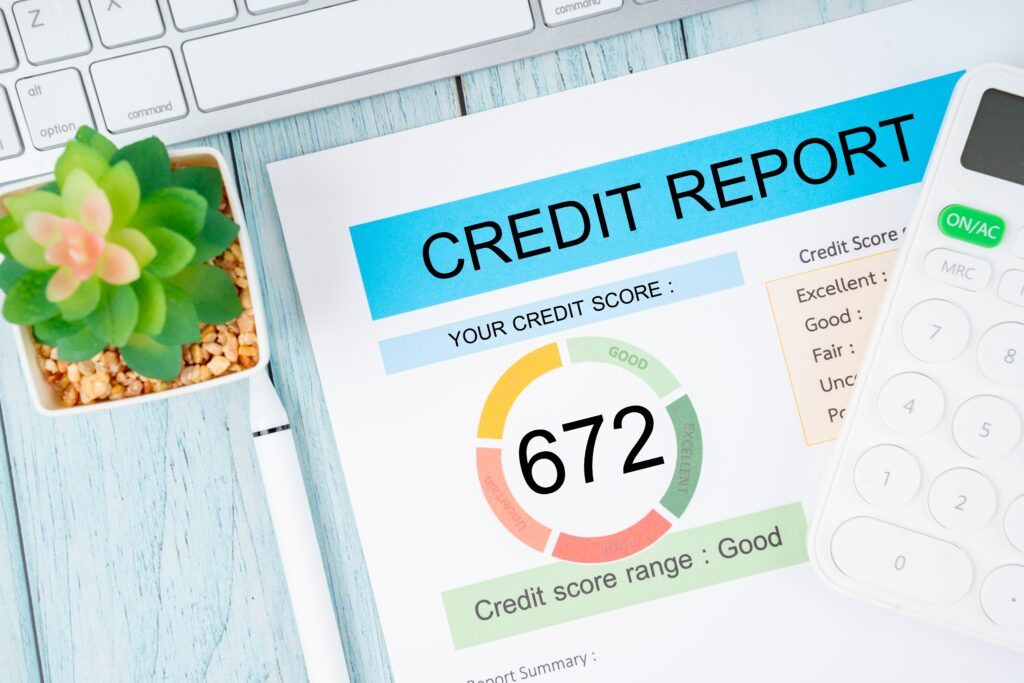
Credit reports hold detailed records of your borrowing and payment habits. They show how you’ve managed accounts and help lenders decide if you’re worth the risk.
Understanding Credit Report Components
Credit reports have four main sections that together tell your financial story. Each section adds something important to your creditworthiness picture.
Personal Information lists your name, address history, Social Security number, and jobs. Lenders use this to confirm your identity when you apply.
Account Information shows all your credit accounts, such as:
- Credit cards
- Auto loans
- Mortgages
- Student loans
- Store credit cards
Each account lists the balance, payment history, credit limit, and status. Late payments show up here and stick around for seven years.
Public Records include things like bankruptcies, tax liens, and court judgments. These negatives can stay on your report for seven to ten years, depending on what they are.
Inquiries show who’s checked your credit report. Hard inquiries from loan applications might lower your score for a bit. Soft inquiries from background checks don’t affect your score.
How to Obtain Your Credit Report
You can get one free credit report each year from Equifax, Experian, and TransUnion. That’s federal law—don’t pay for it.
Go to AnnualCreditReport.com to grab your reports safely. It’s the only site the government backs for free reports.
You can ask for all three at once, or spread them out through the year. Some people check one every four months to keep an eye out for surprises.
Many credit card companies and banks also offer free monthly credit reports to their customers. These extra reports help you spot changes fast.
Steps to get your report:
- Go to AnnualCreditReport.com
- Enter your personal info
- Pick which bureau’s reports you want
- Answer the security questions
- Download or print your reports
Common Errors in Credit Reports
About 25% of people have errors on their credit reports that could hurt their scores. These mistakes cost money through higher interest or loan denials, which is just unfair.
Identity errors are the most common problems. Misspelled names, wrong addresses, or incorrect Social Security numbers can all mess up your report. Sometimes, info from someone with a similar name gets mixed into your file.
Account errors include wrong balances, payment histories, or even accounts that don’t belong to you. Sometimes, closed accounts look open, or paid-off loans show up as unpaid.
Status errors happen when accounts show the wrong payment status. Maybe a current account appears delinquent, or a bankruptcy shows the wrong date.
Duplicate accounts can pop up when the same debt gets listed more than once. This usually happens after debts are sold to collection agencies.
To dispute errors, write to the credit bureau with supporting documents. They have 30 days to investigate and remove anything that’s wrong. Always keep copies and follow up if you don’t see results.
Key Factors That Influence Your Credit Score

Credit scores depend on five main factors that make up your FICO credit score. Payment history counts the most at 35%, followed by credit utilization at 30%, length of history at 15%, and new credit at 10%.
Payment History and Its Importance
Payment history makes up 35% of a credit score. It’s the single most important factor in credit scoring.
This covers payments on credit cards, loans, mortgages, and other debts. If you slip up, late payments stick around on your credit report for seven years.
A payment counts as late when it’s 30 days past due. If you pay a few days late, you’re probably safe, but hit the 30-day mark and it’ll show up.
The later the payment, the worse the impact. A 90-day late payment damages your score much more than a 30-day late.
Recent late payments sting the most. As they age, their effect fades a bit, but they still hang out on your report for years.
Types of accounts that affect payment history:
- Credit cards
- Auto loans
- Mortgages
- Student loans
- Personal loans
Collections, bankruptcies, and foreclosures also hit your payment history hard. These negative marks can drag down your score for years.
Paying on time, every time, is the best way to build a strong payment history. I always recommend setting up automatic payments to avoid those “oops” moments.
Credit Utilization Ratio Explained
Credit utilization makes up 30% of your credit score. This is all about how much of your available credit you’re actually using.
Keep your utilization below 30% of your total credit limit—under 10% is even better if you’re aiming high. So if you’ve got $10,000 in credit, try to keep your balances under $1,000 for the best results.
Two types of utilization count:
- Overall utilization: Total balances divided by total credit limits
- Per-card utilization: Balance on each card divided by that card’s limit
If you max out even one card, your score can take a hit. Credit utilization affects how much of your total available credit you’re using.
Paying down balances before your statement date helps lower what gets reported. Credit card companies usually report balances on the statement closing date, not the due date.
Asking for credit limit increases can boost your utilization ratio, even if your spending stays the same. It’s a handy trick that doesn’t require changing your habits.
Length of Credit History
Credit history length counts for 15% of your score. It’s all about how long your accounts have been open and active.
The average age of all your accounts matters most. Closing old accounts can lower your average age and hurt your score, so I usually suggest keeping old cards open, even if you don’t use them much.
Three things go into this factor:
- Age of oldest account
- Age of newest account
- Average age of all accounts
Longer credit histories usually mean higher scores. If you’ve got 20 years of credit history, you’re in a better spot than someone with only two years under their belt.
Opening lots of new accounts at once lowers your average account age. That can ding your score until those accounts mature a bit.
Becoming an authorized user on someone else’s old account can help you build a longer credit history. Their account history might show up on your credit report too.
New Credit and Credit Inquiries
New credit makes up 10% of your score. This includes recent applications and accounts you’ve just opened.
When lenders check your credit for a loan or card, that’s a hard inquiry. These stick around for two years, but only affect your score for one. If you rack up a bunch in a short time, your score can drop.
Rate shopping protection exists for:
- Auto loans (14-45 day window)
- Mortgages (14-45 day window)
- Student loans (14-45 day window)
If you apply for the same type of loan several times within the window, it only counts as one inquiry. That way, you can shop around without worrying about hurting your score.
Soft inquiries—like checking your own credit or getting pre-approved offers—don’t affect your score.
Opening too many new accounts too quickly makes lenders nervous. New credit factors include recent applications and account openings.
Spacing out your applications helps keep your score steady. If you open five cards in six months, you’ll look riskier than someone who opens one card per year.
Advantages of Having a High Credit Score

A high credit score can open up all sorts of financial opportunities. Folks with scores above 740 usually get the best rates and terms out there.
Lower Interest Rates on Loans
High credit scores mean lower interest rates on mortgages, auto loans, and personal loans. If you’ve got an 800 score, you might pay 2-3% less than someone with a 650 score.
On a $300,000 mortgage, that’s about $200-300 less each month. Over 30 years, we’re talking more than $70,000 saved.
Auto loan rates also swing a lot based on credit:
- Excellent credit (750+): 4-6% APR
- Good credit (700-749): 6-8% APR
- Fair credit (650-699): 9-12% APR
Personal loan rates show even bigger gaps. High credit score borrowers often snag rates under 10%, while folks with lower scores can see 20% or more.
Better Credit Card Offers
If you’ve got a high credit score, you’ll get access to premium credit card offers with real rewards and perks. Most of these cards want to see scores of 700 or higher.
Premium cards come with features like:
- Annual fee waivers for the first year
- Sign-up bonuses worth $500-1,000
- Higher reward rates (2-5% cash back)
- Travel perks like airport lounge access
- Purchase protection and extended warranties
Top-tier credit cards also tend to offer better customer service and strong fraud protection. Many throw in 0% intro APRs for 12-21 months.
If your score is lower, you’re often stuck with secured cards, high fees, and not much in the way of rewards.
Easier Approval for Rental Applications
Landlords check credit scores when you apply for a rental. High scores make the process smoother and usually mean you won’t have to pay extra deposits.
Most landlords look for scores above 650. If you’re above 750, you’ll almost always get approved without extra hassle.
Benefits for high-score renters include:
- Waived security deposits
- Lower deposit amounts
- Faster application processing
- Better negotiating power for rent
- Access to premium properties
With scores below 600, you might need a co-signer or pay more up front. High scores help you skip those headaches and get more choices when the market’s tight.
Property management companies often use automated systems that instantly approve high-score applicants. Lower scores get flagged for manual review, which slows things down.
Disadvantages of a Low Credit Score
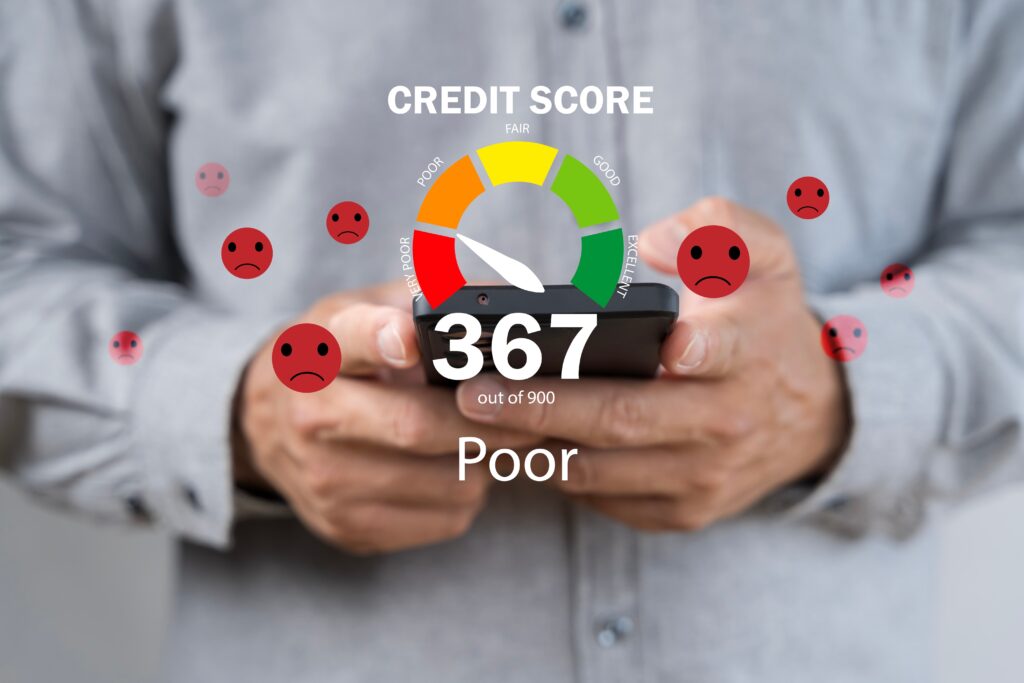
A low credit score creates real financial obstacles that can cost you thousands over your lifetime. These scores affect loan terms, job opportunities, and even insurance rates—sometimes in ways that catch people off guard.
Higher Lending Costs
Borrowers with low credit scores pay much higher interest rates on loans and credit cards. If your score is 580, you might see 18-25% interest on a personal loan, while someone with excellent credit pays just 6-10%.
The difference adds up fast—sometimes five times more than what someone with good credit pays. On a $20,000 car loan, that’s thousands extra out of your pocket.
Credit card companies hit low-score applicants with higher rates and fees. Many require a security deposit or charge annual fees between $35 and $125.
Common rate differences by credit tier:
- Excellent credit (740+): 3-6% auto loans
- Good credit (670-739): 6-10% auto loans
- Fair credit (580-669): 11-16% auto loans
- Poor credit (below 580): 17-20+% auto loans
Limited Access to Credit Products
Banks and lenders pull back on credit options for low-score applicants. Most premium credit cards require scores above 700, so if your score is lower, you’re left with basic, sometimes costly, alternatives.
Getting a mortgage with a score below 620 is tough. FHA loans go as low as 580, but conventional lenders usually want at least 640.
Personal loans from traditional banks may be off the table. That often pushes people toward payday loans or online lenders with sky-high rates—sometimes over 30%.
Credit products by score range:
- 300-579: Secured cards, high-fee loans
- 580-669: Basic unsecured cards, FHA mortgages
- 670-739: Standard credit products, competitive rates
- 740+: Premium cards, best loan terms
Employment and Insurance Impacts
Some employers check credit reports, especially in finance, security, or management. If your credit’s shaky, it can hurt your chances.
Insurance companies use credit-based scores to set premiums. If your credit’s poor, you could pay 50-100% more for auto insurance than someone with great credit—even if you’re otherwise the same risk.
Landlords often reject applicants with low scores, or they’ll ask for bigger deposits or a co-signer. Utility companies might require a deposit before turning on service, and cell phone carriers could make you pay up front or limit your plan options.
It’s a tough cycle—bad credit means higher costs, which makes it even harder to get ahead. That’s why I always encourage folks to focus on small, steady improvements. It’s not about perfection, but progress.
How to Increase Your Credit Score Fast for Beginners
Building a strong credit score takes some patience, but you can start seeing results in 30 to 60 days with the right game plan. If you’re new to credit, your fastest wins usually come from paying every bill on time, keeping your credit card balances below 30% of your limits, getting added as an authorized user on someone else’s account, and clearing up any errors on your credit reports.
Paying Bills On Time
Payment history makes up 35% of your credit score. So, paying bills by their due dates is the single most important thing you can do for your credit.
Even one late payment can drop your score by 60 to 110 points. The longer you wait to pay, the worse the damage—especially if you go 30, 60, or 90 days past due.
Setting up automatic payments helps you avoid missed due dates:
• Schedule minimum payments for all credit cards
• Set up autopay for loans and mortgages
• Use calendar reminders for bills that don’t offer autopay
If you’re just getting started, focus on making at least the minimum payments. Paying more than the minimum will help you get out of debt faster, but as far as your payment history goes, on-time is what counts.
Credit reporting companies update payment info monthly. That means new on-time payments can improve your score within 30 days.
Missed payments can haunt your score for months, but the good news is recent history matters most. If you slip up, get back on track as soon as possible.
Reducing Debt Strategically
Credit utilization is just a fancy way of saying how much of your available credit you’re using. Keeping your balances below 30% of your limits will help your score, but if you can stay under 10%, that’s even better.
Here are two debt payoff strategies that work fast:
- Avalanche method: Pay minimums on all cards, then throw extra cash at the card with the highest interest rate.
- Snowball method: Pay minimums on all cards, then focus extra payments on the smallest balance first.
The avalanche saves you more on interest, but the snowball gives you those quick wins that keep you going. Pick the one that feels right for you.
Requesting a credit limit increase can also lower your utilization without paying down debt. Most credit card companies let you request an increase online every six months. When your limit goes up, your current balance makes up a smaller chunk of your available credit.
Try to pay down balances before your statement closing date, not just the due date. Lenders usually report your balance as of the statement date, so this trick can make your utilization look better.
Some folks try spreading balances across multiple cards to keep each one’s utilization low. That can help, but if your total utilization is still high, it won’t work magic.
Becoming an Authorized User
Getting added as an authorized user on someone else’s credit card can give your score a quick boost. If the primary cardholder has a strong payment history and keeps their balance low, you get to piggyback on their good habits.
Pick your primary cardholder carefully:
• Choose someone who always pays on time
• Make sure they keep balances low
• Longer credit history is better
• Check that they don’t plan to close the account soon
Parents often add adult kids as authorized users to help them build credit. Spouses do this for each other, too.
You don’t even need to use the card or get a physical one. Just being listed on the account can help your score in 30 to 60 days.
Some credit cards report authorized user activity faster than others. American Express and Chase usually show up on your credit report within one billing cycle, but others can take longer.
Not every credit scoring model treats authorized user accounts the same way. FICO scores usually count them, but some lenders might ignore them when making decisions.
If you ever want out, you can remove yourself as an authorized user. That won’t hurt your score, but you’ll lose the benefit of that account’s positive history.
Disputing Errors on Your Credit Report
Credit report mistakes are way more common than people realize, and they can drag your score down for no good reason. The Federal Trade Commission found that about 20% of people have errors on their credit reports. That’s a lot of folks.
Common errors that hurt your score include:
• Accounts that actually belong to someone else
• Wrong payment histories or dates
• Incorrect balances or credit limits
• Accounts shown as open when they’re closed
• Duplicate accounts listed more than once
Everyone gets a free credit report from all three bureaus once a year at AnnualCreditReport.com. Check Experian, Equifax, and TransUnion—they don’t always have the same info.
The dispute process goes like this:
- Contact the credit bureau in writing with proof
- The bureau investigates, usually within 30 days
- They remove or correct anything that’s inaccurate
- Your score updates within one or two billing cycles
Disputing online is often faster than mailing letters. Most bureaus let you upload documents right on their websites.
Proven methods to improve credit scores include staying persistent with disputes. If the first try doesn’t work, try again with more documentation or reach out to the original creditor directly.
Removing negative stuff that doesn’t belong can boost your score by 50 to 100 points or more, depending on how much the error was hurting you.
Common Credit Score Myths Debunked

It’s wild how many people believe things about credit scores that just aren’t true. These damaging credit score myths can really mess up your financial future if you don’t know any better.
Closing Accounts Helps Your Score?
This one’s a classic—and it’s totally backwards. Closing credit cards actually hurts your score instead of helping it.
When you close a card, you lose that available credit. If you’re carrying balances on other cards, your utilization ratio goes up, and that’s bad news for your score.
Here’s why closing accounts backfires:
- Lowers your total available credit
- Raises your utilization percentage
- Eventually shortens your average account age
- Wipes out positive payment history
Old accounts with a solid history give your score a lift. They show lenders you’ve handled credit responsibly for a long time.
Instead, keep old cards open. Make a small purchase every now and then, and pay it off in full to keep the account active—no interest, no hassle.
Checking Your Credit Hurts Your Score?
Lots of people are afraid to check their own credit reports because they think it’ll hurt their score. Nope. Soft inquiriesfrom checking your own credit don’t affect your score at all.
Credit monitoring services and personal credit checks create soft pulls. They might show up on your report, but lenders don’t care about them.
Types of credit checks:
| Soft Inquiries | Hard Inquiries |
|---|---|
| Personal credit checks | Loan applications |
| Pre-approved offers | Credit card applications |
| Background checks | Mortgage applications |
| No score impact | Temporary score drop |
Hard inquiries happen when lenders check your credit for things like loans or credit cards. Those can ding your score by a few points for a few months.
Regular credit monitoring helps you catch errors and fraud early. Common credit score myths like this one just keep people in the dark about their own credit health.
Income Directly Impacts Your Score?
Credit scores don’t care about your income. Someone making $30,000 can have a higher score than someone pulling in $150,000.
Scoring models only care about how you manage credit. They look at your payment history, amounts owed, length of credit history, new credit, and credit mix—not your paycheck.
What credit scores actually measure:
- On-time payment percentage
- Credit utilization ratios
- Age of credit accounts
- Recent credit applications
- Types of credit used
Income matters when lenders decide how much to lend or what kind of terms to offer. But it’s not baked into your score at all.
If you pay bills on time, you can build excellent credit, even on a smaller income. High earners who miss payments or max out cards will see their scores tumble, plain and simple.
This financial misinformation makes people think they can’t improve their credit unless they make more money. In reality, it’s all about consistent payments and smart credit habits.
Maintaining a Good Credit Score Over Time
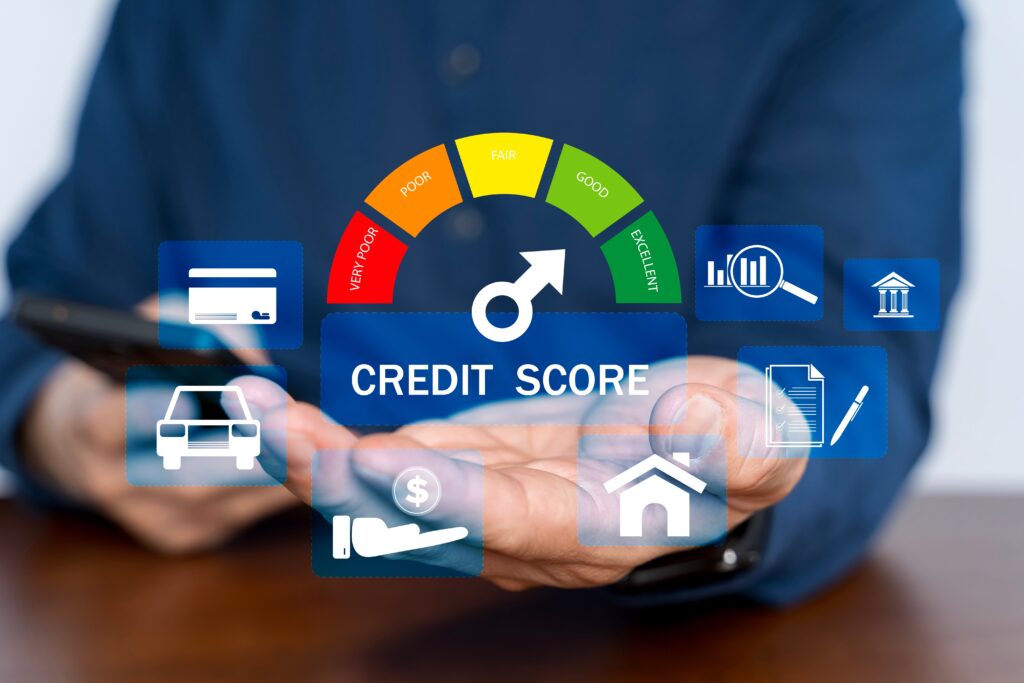
Keeping a high credit score isn’t about luck. It’s about building small, smart habits into your daily life and avoiding those money mistakes that can wreck your profile.
Smart Habits for Credit Health
Sticking to consistent payment habits is the foundation for long-term credit success. Payment history is still the big one—35% of your score—so never let a bill slip through the cracks.
Set up automatic payments so you don’t have to think about due dates. Most credit cards and loan companies make it easy to autopay the minimum or the full balance.
Key Payment Strategies:
- Pay every bill by its due date
- Set up autopay for at least the minimum
- Use calendar reminders for anything manual
- Pay more than the minimum when you can
Try to keep your credit utilization under 30%. If you can manage less, even better—it shows lenders you’re not living on the edge.
Check your credit reports regularly. Spot errors early, and you’ll save yourself headaches down the line. Maintaining good credit scores is really about staying on top of what’s in your reports.
You can get free credit reports from all three bureaus once a year. Monthly monitoring with free apps or services keeps you in the loop.
Avoiding Common Credit Mistakes
Maxing out credit cards tanks your score fast. High balances make you look financially stressed to lenders and credit models.
Even if you only carry a high balance for a short time, it can still hurt your score. Credit card companies report your balance on the statement closing date, not the payment due date.
Common Mistakes to Avoid:
- Missing payment deadlines
- Closing old credit accounts unnecessarily
- Applying for multiple new accounts rapidly
- Ignoring credit report errors
If you close older accounts, your average account age drops and your available credit shrinks. Both of these can drag your score down over time.
Every time you apply for new credit, a hard inquiry hits your report and knocks your score down a few points. If you rack up several inquiries in a short time, lenders might see you as a bigger risk.
When you ignore your credit reports, errors can stick around and possibly get worse. Credit report mistakes might include wrong payment histories, fake accounts, or old info that should be gone by now.
If you spot errors and dispute them right away, you can stop long-term damage. Most credit bureaus sort out disputes within 30 days if you send the right documents.
Key Giveaways

Credit scores run from 300 to 850. Higher is better, and most folks need at least 600 to get approved for basic loans.
Payment history is 35% of your credit score. Honestly, this is the big one—pay on time or your score pays the price.
Credit utilization should stay under 30% of your total limits. If you want to really impress the credit gods, keep it under 10%.
| Credit Score Range | Rating | What It Means |
|---|---|---|
| 800-850 | Excellent | Best rates available |
| 740-799 | Very Good | Good loan terms |
| 670-739 | Good | Average rates |
| 580-669 | Fair | Higher interest rates |
| 300-579 | Poor | Hard to get approved |
Length of credit history is 15% of your score. The older your accounts, the more stable you look.
New credit inquiries drop your score by 5-10 points each. Too many apps in a short time? Not a good look.
Credit mix matters—if you manage cards, car loans, and mortgages well, it helps your score.
Checking your own credit score doesn’t hurt it. Go ahead and check as much as you want.
Credit reports from all three bureaus can show different numbers. Lenders use different ones, so don’t be shocked if scores vary a bit.
Building credit takes time. Most good habits show up as score bumps in about 30-60 days.
Frequently Asked Questions
Credit scores can feel confusing, but getting the basics down makes smart financial moves a lot easier. Here are some of the most common questions I get as a credit adviser, along with practical steps to help you out.
What are the key factors that affect a credit score?
Payment history is 35% of your score. Late or missed payments, or defaulting, can really drag you down.
Credit utilization is 30%. This just means how much of your available credit you’re using.
Length of credit history makes up 15%. Older accounts with on-time payments help a lot.
Credit mix is 10%. If you handle various types of credit—cards, car loans, mortgages—it’s a plus.
New credit inquiries are the last 10%. Too many hard pulls in a short time can ding your score.
How can beginners quickly enhance their credit score?
Pay every bill on time, every month. Seriously, this is the fastest way to boost your score—consistency is key.
Keep your credit card balances below 30% of your limits. Lower is even better, and you’ll see results in a month or two.
If you can, become an authorized user on someone else’s account that has a solid payment record. This trick can raise your score fast if you don’t have much credit history yet.
Pay down your debt to lower your utilization. Start with cards with the highest balances for quicker results.
If you spot errors on your credit report, dispute them right away. Wrong info can drag your score down for no good reason.
What are the advantages of having a high credit score?
Low interest rates on loans can save you thousands over time. Scores above 740 usually get you the best deals.
Better credit card offers—think higher limits and sweet rewards. The best cards want to see excellent scores.
It’s easier to get approved for rentals, which means more housing choices. Landlords usually check your score before handing over the keys.
Lower insurance premiums in most states, so you save money each month. Insurers often peek at your credit before setting rates.
Some jobs (especially in finance) check your credit. A strong score can help your chances.
What disadvantages should one be aware of with a low credit score?
High interest rates make borrowing really expensive. Bad credit can add hundreds to your monthly payments.
You get fewer credit card choices and usually get stuck with low limits and high fees.
Renting an apartment can be tough. Many landlords turn down applicants with bad credit.
Insurance costs go up. Poor credit can mean higher car and homeowner’s insurance premiums.
Some jobs (especially those involving money) might be out of reach if your credit’s a mess.
How often should I check my credit score for inaccuracies?
Check your reports from all three bureaus at least once a year. Federal law gives you one free report from each bureau annually.
Monitor your score monthly with free tools or through your bank. Lots of banks now offer free credit monitoring.
Look at your report before you apply for big loans, like a mortgage or car loan. That way, you’ve got time to fix any mistakes.
Check after big life events—like getting married or moving. Updating your info keeps your credit file accurate.
If you’re worried about identity theft, set up fraud alerts and keep a close eye on your reports. Catching errors early is huge.
Call to Action
Building credit isn’t a sprint—it’s more like a steady walk. Start today by grabbing your free credit report and seeing where you stand.
Take these steps now:
• Check your credit score with a free monitoring service
• Pay down existing credit card balances
• Set up automatic payments for all bills
• Apply for a secured credit card if you have no credit history
Most people wait too long to fix their credit. The sooner you start, the faster you’ll see results.
Ready to get started? Find a credit adviser who knows the ropes. They’ll help you build a custom plan for your situation.
Don’t let a low score block your goals. Whether you want to buy a car, rent a place, or get a mortgage, good credit makes things easier.
Your credit journey starts with one small step. Pick something from the list above and do it this week. Tiny moves add up to big changes.
Just remember, building credit takes patience and consistency. Make smart choices every day. Down the road, you’ll be glad you started now instead of waiting.
You’ve got the tools and the knowledge to change your credit story. The only thing left is to take action. Your financial future is waiting—go grab it.
What are the best practices for managing credit to maintain a good credit score?
Set up automatic payments, at least for the minimum due. That way, you don’t miss payments that could hurt your score.
Keep old accounts open, even if you hardly use them. A longer credit history and more available credit both work in your favor.
Use your credit cards regularly, but pay off the full balance each month. That demonstrates you can handle credit without racking up debt.
Try not to apply for new credit too often. If you need to, space out your applications by six months or more.
Keep your balances low across all your accounts. It’s better to spread out your spending than to max out a single card.
Disclaimer: Millennial Credit Advisers is not a licensed credit service provider or financial advisor. We do not offer credit repair, debt management, or legal services. Educate yourself on saving, reducing debt, and managing credit for economic improvement. Understand credit reports, scores, and financial products. Consult a financial advisor for personalized guidance. Track your progress for an improved credit journey.
Written content – “Please view our complete AI Use Disclosure.”
We enhance our products and advertising by using Microsoft Clarity to understand how you interact with our website. Using our site, you agree that we and Microsoft can collect and utilize this data. Our privacy policy provides further details.