
Your 2026 Money Checklist. 16 Steps to Financial Success for Individuals Ready to Build Wealth. FIND OUT MORE IN OUR LATEST ARTICLE!
THIS ARTICLE MAY CONTAIN AFFILIATE LINKS, MEANING I GET A COMMISSION IF YOU DECIDE TO MAKE A PURCHASE THROUGH MY LINKS AT NO COST TO YOU. PLEASE READ MY AFFILIATE DISCLOSURE FOR MORE INFO.
DON’T HAVE TIME TO READ THE FULL ARTICLE. HERE’S WHAT YOU ARE MISSING.
- Your 2026 Money Checklist. 16 Steps to Financial Success for Individuals Ready to Build Wealth. FIND OUT MORE IN OUR LATEST ARTICLE!
- 1. Set Up or Refresh Your Spending Plan
- 2. Maximize Employer-Sponsored Retirement Contributions
- 3. Upgrade Your Savings Strategy
- 4. Review and Strengthen Your Credit Health
- 5. Optimize Your Insurance Policies
- 6. Build & Grow Your Emergency Fund
- 7. Start or Expand Your Investment Portfolio
- 8. Evaluate and Eliminate High-Interest Debt
- 9. Plan for Major Upcoming Expenses
- 10. Optimize Tax Strategies for 2026
- 11. Protect Your Financial Future
- 12. Boost Your Earning Potential
- 13. Level Up Your Financial Knowledge
- 14. Automate and Simplify Your Finances
- 15. Check and Update Your Financial Goals
- 16. Celebrate Milestones and Plan Ahead
- Frequently Asked Questions
Money doesn’t manage itself. If you wait for the perfect time to get your finances together, you’ll be waiting forever.
This checklist gives you 16 actionable steps you can start today to take control of your money, build real wealth, and stop stressing about your financial future.
Whether you’re starting from scratch or already on your way, these steps can help you make 2026 your strongest financial year yet.

You don’t need to be a financial expert or have thousands saved up to make progress. Small changes really do add up faster than you’d think.
From claiming free employer money to fixing credit report errors or finally building that emergency fund, each step moves you closer to financial security.
The best part? Most of these actions take less than an hour to complete.
You’ll find quick wins that put money back in your pocket right away, plus longer-term strategies that build wealth over time.
Millennial Credit Advisers Key Giveaways
- Take immediate action on quick wins like claiming employer 401(k) matches and switching to high-yield savings accounts to boost your money now
- Build your financial foundation with an emergency fund, regular spending plan reviews, and credit monitoring to protect yourself from setbacks
- Invest in your future through market investments, debt elimination strategies, and ongoing financial education to create lasting wealth
1. Set Up or Refresh Your Spending Plan

Listen, if you’re still winging it with your money, 2026 is the year to change that. Grab a budgeting app or a good old-fashioned spreadsheet to track where every dollar goes. You can’t level up financially if you don’t know where you’re starting.
A spending plan only works when you pick tools that fit your lifestyle. You have to commit to tracking where your money actually goes.
The goal is to create a system you’ll use consistently. Don’t set up something that’ll just get abandoned after two weeks.
Choose the Right Budgeting Tools
You don’t need fancy software to manage your money. A simple spreadsheet works fine if you like manual control.
Use these guides to help with free Google Sheets and Excel spreadsheets budget templates from NextGen Money Skills, which you can tweak to fit your needs. If you want automation, apps like YNAB, Credit Karma, or EveryDollar connect to your bank accounts and categorize transactions for you.
They’ll even send alerts when you’re close to spending limits. Honestly, the best tool is the one you’ll actually open and use every week.
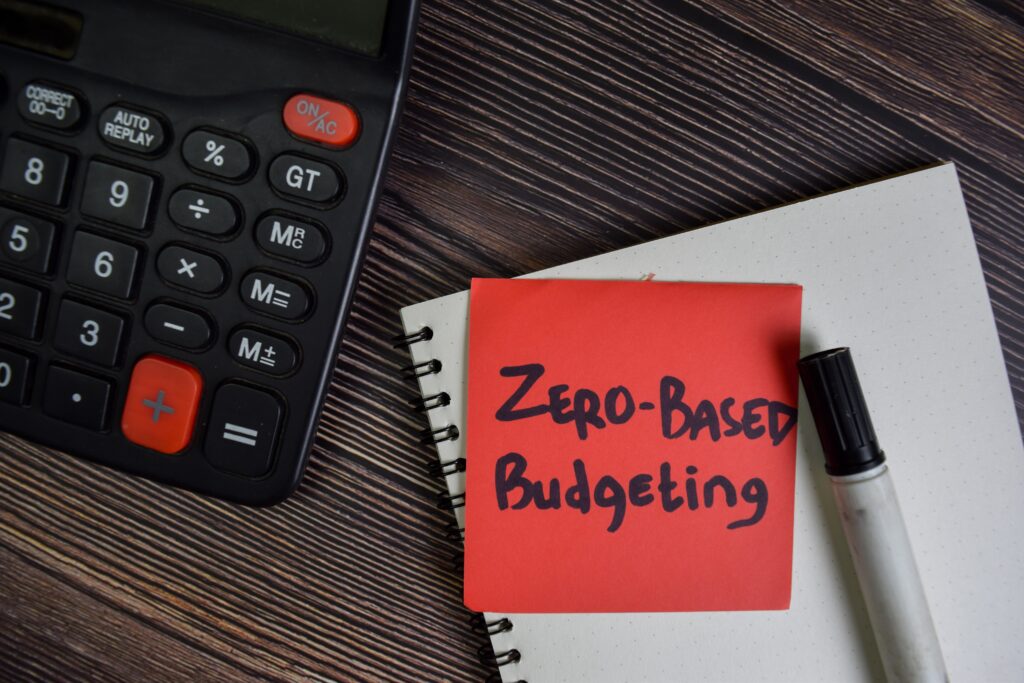
For individuals with unpredictable income, zero-based budgeting works especially well. You assign every dollar a job before the month starts, whether that’s rent, savings, or business expenses.
This method keeps you intentional about spending even when paychecks jump around. It’s not glamorous, but it works.
Track Every Dollar Spent
Write down or log every purchase for at least 30 days. That means your morning coffee, streaming subscriptions, and even the $8 you spent on snacks at the gas station.
Small purchases really do add up. Most people underestimate their actual spending by 20-30%.
Tracking reveals patterns you just can’t see otherwise. Maybe you’ll spot $200 a month on food delivery or $50 on subscriptions you forgot about.
Use your bank statements and credit card records to catch anything you missed. Set a specific time each week to review transactions and update your budget—Sunday evenings or Friday mornings work for a lot of folks.
Adjust Categories for Changing Priorities
Your budget should shift as your life changes. Review your spending categories monthly and move funds based on what’s actually happening.
If you spent less on gas because you’re working from home, put that money toward debt or savings. Create categories based on your past three months of spending.
Don’t budget $100 for groceries if you always spend $400. Start with honest numbers, then look for places to trim.
Build in categories for irregular expenses like car maintenance, annual insurance, or holiday gifts. Divide the yearly cost by 12 and set aside that amount monthly.
This helps prevent “surprise” expenses from blowing up your entire budget.
2. Maximize Employer-Sponsored Retirement Contributions

If your company offers a 401(k) match and you’re not taking it, you’re literally leaving money on the table. Sign up now and contribute at least enough to get the full match—it’s the easiest raise you’ll ever get.
If your employer offers a retirement plan, make sure you contribute enough to get every dollar of matching funds. As your income grows, adjust your contribution rate.
Claim Your Full 401(k) Match
Your employer match is basically free money for your retirement. Most companies match between 25% and 100% of your contributions up to a certain percentage of your salary.
If your company matches 100% of the first 6% you contribute, you need to put in at least 6% to get the full benefit. Check with HR to find out your company’s exact matching formula.
Some employers match dollar-for-dollar, others use different percentages. Missing out on the full match is like turning down a pay raise.
Set up automatic payroll deductions so the money goes into your 401(k) before you even see it. That way, you won’t be tempted to spend it elsewhere.
Review and Increase Contribution Percentage
For 2026, you can contribute up to $23,500 to your 401(k) as an employee. If you’re 50 or older, you get another $7,500 in catch-up contributions.
These limits go up now and then to keep up with inflation. Start by contributing enough to get your full employer match.
Once you’ve locked in that free money, try to increase your contribution rate by 1-2% each year. Many 401(k) plans even offer automatic annual increases to make it easy.
If you get a raise or bonus, bump up your contribution percentage before you adjust your lifestyle. You won’t miss money you never got used to spending.
3. Upgrade Your Savings Strategy

Stop letting your emergency fund collect dust at 0.01% interest. High-yield savings accounts are paying 4-5% right now. Moving your money takes 10 minutes and could earn you hundreds extra per year.
Your emergency fund shouldn’t just sit there—it should actually grow. The difference between a standard savings account and a high-yield option can mean hundreds or even thousands of extra dollars for you, just by moving your money.
Move Funds to High-Yield Accounts
Traditional banks pay almost nothing on savings accounts, often less than 0.10% a year. High-yield savings accounts at online banks offer rates around 4% to 5% right now.
On a $10,000 emergency fund, that’s the difference between earning $10 and earning $450 a year. Online banks offer better rates because they don’t have physical branches.
Your money’s still safe with FDIC insurance up to $250,000 per account. Opening an account takes maybe 15 minutes, and transfers from your current bank usually process in a couple of days.
Compare rates at a few places before you decide. Some accounts require minimum balances or limit monthly withdrawals, so read the fine print.
Look for accounts with no monthly fees and easy mobile access. Don’t settle for less.
Automate Regular Savings Transfers
Set up automatic transfers from your checking account to savings right after payday. When the money moves before you see it, you won’t miss it or spend it.
Start with whatever amount feels manageable—even $25 per paycheck is a good start. Most banks let you schedule recurring transfers through their app or website.
Pick a transfer date a day or two after your paycheck hits to avoid overdrafts. Increase your automatic transfer amount by $10-25 every few months.
These small bumps really add up over time, and you probably won’t even notice them in your day-to-day spending.
4. Review and Strengthen Your Credit Health

You’re entitled to free credit reports from all three bureaus. Check for errors, fraudulent accounts, or anything dragging down your score. Dispute mistakes immediately—this could boost your credit score without spending a dime.
Your credit score affects everything from loan approvals to insurance rates. Regularly checking and quickly fixing problems can put more money in your pocket.
Free tools make this easier than ever. You can also spot identity theft before it wrecks your finances.
Pull Credit Reports From All Bureaus
You can get Free weekly online credit reports from Equifax, Experian, and TransUnion at annualcreditreport.com.
Equifax offers six extra free reports through December 31, 2026, so take advantage. Each bureau collects data differently, so errors might show up on one report but not the others.
Set a reminder to pull all three at once, or space them out every four months to keep tabs on your credit year-round. Your credit report lists every account, payment history, and inquiry tied to your name.
Review each section carefully, including your address and employment history. It’s not exciting, but it’s important.
Dispute Errors and Fraudulent Activity
Mistakes on credit reports are common and can tank your score unfairly. Look for accounts you don’t recognize, incorrect payment statuses, or debts that aren’t yours.
File disputes directly with the credit bureau showing the error. You can do this online, and they have to investigate within 30 days.
Include any documentation that supports your claim, like payment receipts or police reports for identity theft.
Common errors to watch for:
- Accounts belonging to someone with a similar name
- Paid-off debts still showing as open
- Incorrect credit limits
- Late payments you made on time
- Duplicate accounts
If you spot fraudulent accounts, act fast. Place a fraud alert on your credit file and consider a credit freeze to stop new accounts from opening in your name.
Monitor Your Credit Score Regularly
Free credit monitoring services will alert you to changes in your credit profile.
Many banks and credit card companies offer this for free, or you can use services like Credit Karma. Check your score monthly to track improvement and catch problems early.
Your score updates as creditors report new info, usually every 30 days.
Key factors that affect your score:
- Payment history (35% of your score)
- Credit utilization (30%)
- Length of credit history (15%)
- Credit mix (10%)
- New credit inquiries (10%)
Pay bills on time and keep your credit card balances under 30% of your limit. These two actions have the biggest impact on improving your score over time.
5. Optimize Your Insurance Policies

When’s the last time you shopped around for car, home, or renters insurance? Insurers count on you staying lazy. Spend 30 minutes getting quotes, and you could save $500+ annually on the exact same coverage.
Most people set up their insurance once and then forget about it for years. That’s a mistake that quietly drains your wallet month after month as rates creep up and better deals slip by.
Shop Around for Quotes Annually
Insurance companies gradually raise rates, hoping you won’t notice or won’t bother switching. Set a yearly reminder to get quotes from at least three different insurers.
Comparison sites make this easy, but you can also go straight to carriers and get quotes in about 20 minutes. Your rate can shift based on your credit score, claims history, and even your job title.
If you’ve improved your credit, avoided claims, or changed jobs since buying your policy, you might snag a better rate elsewhere. Don’t count on loyalty—most insurers save their best deals for new customers, not longtime ones.
Keep your current coverage details handy when you shop. Jot down deductibles, coverage limits, and any riders or endorsements so you’re comparing apples to apples.
Bundle Policies for Additional Savings
Buying multiple policies from the same insurer usually knocks 15-25% off each policy. Auto and home are the classic combo, but renters, umbrella, and life policies can work too.
Call your current insurer first and ask about bundling discounts. Then check out competitors who offer bundles.
Sometimes switching everything to a new company saves more than bundling with your current provider. Run the numbers both ways—bundled versus separate policies from different companies.
A bundle that “saves” 20% could still cost more if the base rates are higher. Don’t just take the discount at face value.
6. Build & Grow Your Emergency Fund

Aim to save 3-6 months of expenses. I know that sounds like a lot, but start with $1,000 and build from there. In the future, you will be incredibly grateful when the car breaks down or the water heater dies.
Start with a quick $1,000 to handle immediate surprises. Then gradually build toward covering 3-6 months of your essential expenses.
This creates a financial buffer that keeps you out of debt when life throws curveballs.
Set an Initial Target of $1,000
Your first goal? $1,000 in the bank. That covers most common emergencies like a car repair, urgent dental work, or a busted appliance—without resorting to credit cards.
Break it down. If you can save $250 a month, you’ll hit $1,000 in four months.
Can’t swing that much? Saving $100 monthly gets you there in ten months.
Quick ways to jumpstart your fund:
- Sell stuff you don’t use on Facebook Marketplace or eBay
- Pick up an extra shift or a side project
- Send any tax refund or bonus straight to savings
- Cancel a barely-used subscription and automate that amount to savings
Keep this money separate from your checking account. Open a dedicated savings account so you’re not tempted to dip into it for non-emergencies.
Once you hit $1,000, celebrate a little—then keep moving forward.
Progress Towards 3-6 Months of Expenses
After hitting your first $1,000, figure out your monthly essentials. Add up rent, utilities, groceries, insurance, minimum debt payments, and transportation.
Multiply that number by three for your minimum target, or by six for maximum security. Your target depends on your income stability.
If you’ve got steady employment with benefits, three months is usually enough. Freelancers, self-employed folks, or anyone with unpredictable income should lean toward a six-month buffer.
Treat your emergency fund like a bill. Set up automatic transfers on payday—even if it’s just $50 at first.
Boost the amount when you get a raise or pay off a debt. Stash this money in a high-yield savings account earning 4-5% interest.
Your emergency fund should be boring and accessible. Don’t invest it in stocks where the value bounces around—you need the cash ready within a day or two if something goes sideways.
7. Start or Expand Your Investment Portfolio

Savings accounts are great for emergencies, but they won’t build wealth. Open a brokerage account or Roth IRA and start investing in index funds. Time in the market beats timing the market—just get started.
Getting money into investment accounts and choosing low-cost index funds gives you two powerful tools for building wealth over time. These steps work whether you’re brand new to investing or ready to increase what you’re already doing.
Open a Brokerage or Roth IRA Account
You need a place to hold your investments. Your two main options are a standard brokerage account or a Roth IRA.
A Roth IRA lets you invest up to $7,000 per year in 2026 ($8,000 if you’re 50+), and your money grows tax-free. You won’t pay taxes when you withdraw it in retirement, which is huge.
A regular brokerage account has no contribution limits and no income restrictions. Invest as much as you want and withdraw any time—just know you’ll pay taxes on your gains.
Big platforms like Fidelity, Vanguard, Schwab, and even newer ones like M1 Finance don’t charge to open accounts or trade stocks/ETFs. Signing up takes about 15 minutes and you’ll need your Social Security number, bank info, and some basic details.
If you’re under the Roth IRA income limits ($150,000 for singles, $236,000 for married couples in 2026), start there. Max it out if you can, then move to a brokerage account for extra investing.
Invest Consistently in Index Funds
Index funds own tiny pieces of hundreds or thousands of companies, so your risk gets spread out. Instead of betting on a single stock, you’re betting on the whole market’s long-term growth.
S&P 500 index funds track America’s 500 biggest companies and have returned about 10% a year long-term. Total market funds include small and mid-sized companies too, for even broader coverage.
Look for funds with expense ratios under 0.20%—some are as low as 0.03%. Set up automatic investments, even if it’s just $100 a month.
Investing $200 monthly with 9% average returns could grow to about $120,000 after 20 years. Don’t try to time the market or wait for the “perfect” dip—just buy consistently, up or down.
This approach, called dollar-cost averaging, means you buy more shares when prices are low and fewer when they’re high. It’s boring, but it works.
8. Evaluate and Eliminate High-Interest Debt

Paying $100+ for cable in 2026? Come on. Between streaming services, free options, and antennas for local channels, you can save $1,000+ per year without missing your favorite shows.
High-interest debt—think credit cards charging 20-30% APR—can drain your finances faster than almost anything else. Paying it off should be a top priority in 2026.
Create a Debt Repayment Plan
List every debt you have: balance, interest rate, and minimum payment. This gives you a clear snapshot of where you stand.
Two proven methods:
- Debt avalanche: Pay minimums on everything, then throw extra money at the highest-interest debt first. This saves the most money overall.
- Debt snowball: Pay off the smallest balance first for quick wins and a boost of motivation.
- Debt Meltdown: A powerful strategy designed to help individuals rapidly pay off their debts. It combines three practical principles: paying the minimum payment, paying half of the minimum payment, and making an interest payment each month.
Pick the method you’ll actually stick to. The avalanche saves more, but the snowball’s quick wins can keep you going when motivation dips.
Figure out how much extra you can put toward debt each month. Even an extra $50-100 makes a real dent if you keep at it.
Set up automatic payments so you never miss one. Consistency is key here.
Consider Refinancing or Consolidation
If you have good credit (670+), refinancing can lower your rates a lot. Personal loans might offer 8-15% compared to credit cards at 20-30%.
Balance transfer cards with 0% APR intro periods give you 12-21 months to pay down debt interest-free. Watch out for transfer fees—usually 3-5%—and make sure you can clear the balance before the promo ends.
Debt consolidation loans roll multiple debts into one payment at a lower rate. This makes things simpler and can save you thousands in interest.
Shop around with at least three lenders to find the best deal. Don’t just grab the first offer you see.
9. Plan for Major Upcoming Expenses

Add up everything you own (assets) and subtract everything you owe (debts). That’s your net worth. Track it quarterly—watching this number grow is incredibly motivating and keeps you focused on building real wealth.
Big expenses don’t sneak up if you’re paying attention. Whether it’s a wedding, home repair, or a new laptop for your business, planning ahead keeps you from wrecking your budget or piling on debt.
Anticipate Large Purchases or Events
Write down every major expense you see coming in the next 12-24 months. That means annual insurance premiums, property taxes, holidays, car registration, or that vacation you keep promising yourself.
Once you’ve got your list, add up the total cost and divide by the number of months until you need the money. If you need $3,000 for a wedding gift and travel in 10 months, save $300 a month starting now.
Don’t forget those irregular but predictable costs like car maintenance, medical co-pays, or replacing old appliances. Your 10-year-old washing machine isn’t going to last forever.
Setting aside $50-100 monthly for home repairs beats scrambling for $1,500 when something breaks. A little planning now saves a lot of stress later.
Establish Short-Term Savings Goals
Open a separate savings account just for upcoming expenses. Keeping this money apart from your emergency fund helps you avoid dipping into it for non-emergencies.
Label each goal with a specific amount and a deadline. You might have accounts like “Summer Vacation – $2,500 by June” or “New Computer – $1,200 by March.”
Concrete targets make it way easier to track your progress and stay motivated. It’s a lot more fun to watch your balance grow toward a real goal than just a vague savings pot.
Set up automatic transfers on payday. The money moves before you even notice it’s gone.
Even $25 per paycheck becomes $650 a year if you’re paid biweekly. Start with whatever you can manage, and bump it up when you get a raise or pay off a debt.
10. Optimize Tax Strategies for 2026

If you’re responsible with credit cards, strategic sign-up bonuses can cover entire vacations. Just paid for flights and hotels? Use a travel rewards card and start planning that trip you’ve been putting off.
Dialing in your tax situation means you keep more of your own cash instead of handing it over to the IRS. Making a few tweaks to your withholding and using accounts with tax benefits can save you a surprising amount by next April.
Review Withholding and Estimated Payments
Take a look at your W-4 if you’re employed, or your quarterly estimated payments if you work for yourself. If you got a giant refund last year, you basically gave the government an interest-free loan.
If you owed a lot, you could get hit with penalties. Try to adjust things so you break even or owe just a little when tax time rolls around.
The IRS Tax Withholding Estimator online helps you figure out your allowances. It’s not fun, but it’s worth it.
For self-employed folks: If you expect to owe $1,000 or more, you need to pay estimated quarterly taxes. Deadlines are April 15, June 16, September 15, and January 15. Miss one? The penalties and interest pile up quickly.
Explore Tax-Advantaged Accounts
Max out accounts that reduce your taxable income or let your money grow tax-free. Here’s what to consider:
Traditional IRA or 401(k): Contributions lower your taxable income for 2026. The IRA limit is $7,000 ($8,000 if you’re 50+). 401(k) limits are $23,500 ($31,000 if you’re 50+).
Roth IRA: You pay taxes now, but withdrawals in retirement are tax-free. This is smart if you think you’ll be in a higher tax bracket later.
HSA (Health Savings Account): If you’ve got a high-deductible health plan, this is as good as it gets. Contributions are tax-deductible, growth is tax-free, and withdrawals for medical expenses are tax-free. For 2026, you can contribute $4,300 for individual coverage or $8,550 for family coverage.
11. Protect Your Financial Future

Remote work isn’t going anywhere. If you’re commuting daily and hate it, 2026 is the time to find a work-from-home position. You’ll save on gas, clothes, and lunch—plus get hours of your life back.
Most of us update our phones way more often than our estate documents. Taking care of beneficiaries and basic estate planning now saves your loved ones from major headaches later.
Review and Update Beneficiaries
Check the beneficiaries on your retirement accounts, life insurance, and bank accounts. Life changes—marriage, divorce, kids, or deaths—mean those old forms are probably wrong.
Your beneficiary designations override your will. If you got divorced but never updated your 401(k), your ex could still get everything, even if your will says otherwise.
Log into each account and see who’s listed. Update names, add backups, and make sure percentages add to 100%.
If you’ve named minor kids, choose a custodian to manage the money until they’re adults. This takes maybe an hour but could protect a huge amount from going to the wrong person.
Establish or Refresh an Estate Plan
You need a will, even if you think you don’t have much. Without one, the state decides who gets your stuff and who raises your kids.
A basic estate plan includes a will, healthcare power of attorney, and financial power of attorney. With an attorney, these cost $500–$2,000, but you can use solid online services for less.
If you already have these documents, dig them out and review them. Laws change, your assets grow, and your wishes shift over time.
Anything older than five years probably needs an update. Name guardians for your kids, executors you trust, and healthcare proxies who know your wishes.
Put the originals in a fireproof safe and let someone know where to find them. It’s not fun, but it’s worth it.
12. Boost Your Earning Potential

If something happened to you tomorrow, could your family find your accounts, passwords, insurance policies, and important documents? Set up a secure emergency binder with everything they’d need. It’s morbid but necessary.
Your income is your biggest wealth-building tool. Maximizing what you earn through career moves and skill development can speed up every goal you have.
Seek Opportunities for Raises or Promotions
Start tracking your wins at work. Keep a list of projects finished, money saved, and problems solved.
This becomes your ammo when you ask for a raise. Schedule a meeting with your manager just to talk compensation—don’t wait for annual reviews.
Research what others in your role and area make using Glassdoor, Salary.com, or Payscale. Come with a specific number based on your findings and your impact.
If your employer won’t budge, that’s good to know. Sometimes you need to look elsewhere.
Internal promotions often go to people who make themselves visible. Volunteer for high-profile projects. Share your work in meetings. Build connections across departments so decision-makers know your value.
Upskill Through Continuous Learning
Your skills decide your market value. Check job postings for roles above yours and see which skills pop up again and again.
Free and cheap learning options are everywhere. YouTube has tutorials for everything. Udemy, Coursera, and edX have university-level courses. Your library probably offers free LinkedIn Learning access.
Focus on skills that boost revenue or efficiency. Data analysis, project management, digital marketing, and coding usually pay well across industries.
Certifications in your field can mean an instant pay bump. Try setting aside 30 minutes a day for learning—over a year, that’s 182 hours of new skills.
Stick with it. The compound effect of steady learning is real, and it can seriously raise your earning power.
13. Level Up Your Financial Knowledge

If anyone depends on your income, you need term life insurance. Period. It’s cheaper than you think—especially if you’re young and healthy. Don’t leave your loved ones financially devastated.
Financial education isn’t a one-time thing. The best way to stay ahead is by regularly taking in quality finance content and learning from real experts who can answer your questions.
Subscribe to Trusted Finance Resources
Pick three to five reputable finance newsletters, podcasts, or YouTube channels—and actually commit to them. Look for sources that break down tricky topics without pitching sketchy investments or get-rich-quick nonsense.
Good picks include personal finance blogs by certified planners, established financial news, and educational platforms focused on money basics. Consistency matters more than bingeing—spend 15–20 minutes a week reading or listening, and you’ll stack up serious knowledge.
What to look for in quality resources:
- Individuals with real credentials (CFP, CPA, or legit experience)
- Content that explains the “why” behind decisions
- Transparency about conflicts of interest or sponsors
- No hyped-up promises of overnight wealth
Unsubscribe from anything that pressures you to buy courses or invest in products right away. If it feels off, trust your gut.
Attend Webinars or Local Workshops
Free financial literacy webinars pop up all the time through libraries, community centers, and even employers. Topics range from retirement planning to home buying to tax hacks.
Live events let you ask questions about your own situation. You’re not just getting generic info—you can get real answers about what’s confusing you right now.
Check your library’s event calendar, search Eventbrite for local finance workshops, or ask HR about financial wellness programs. Many credit unions and banks also run free sessions for the public.
Show up with a couple of questions in mind so you get real value from the session.
14. Automate and Simplify Your Finances

Whether you’re single or partnered, set a recurring money meeting. Review your budget, celebrate wins, address problems, and stay aligned on goals. Avoiding money conversations only makes things worse.
Set up automatic payments and organize your financial documents digitally. This cuts down on late fees, saves you time, and gives you a much clearer view of where your money’s actually going each month.
Set Up Automatic Bill Payments
Link your checking account or credit card to recurring bills like rent, utilities, streaming services, and insurance premiums. Most banks and service providers offer free autopay through their websites or apps.
Autopay helps you avoid late payments that can ding your credit score and pile on fees. Before your bills process, double-check you’ve got enough money in your account.
Create a simple spreadsheet or use your banking app to list all automatic payments, their amounts, and due dates. Glance over this list every month to spot billing errors or subscriptions you meant to cancel but forgot.
Quick setup checklist:
- Housing costs (rent/mortgage)
- Utilities (electric, water, internet)
- Insurance policies
- Minimum credit card payments
- Subscription services
Organize Financial Records Digitally
Switch to digital statements for bank accounts, credit cards, and investments. Most institutions send email alerts when new statements are ready.
Create folders on your computer or cloud storage by category and year—think taxes, insurance, receipts, pay stubs. Save important docs as PDFs with clear file names like “2026_Tax_Return” or “Home_Insurance_Policy_2026.”
Use a password manager to keep your financial logins secure. Honestly, it beats scribbling passwords on sticky notes or reusing the same one everywhere (we’ve all done it).
Scan or snap photos of receipts for big purchases and tax-deductible expenses as soon as you get them. Once a month, clear out the digital clutter and keep only what’s needed for warranties or taxes.
15. Check and Update Your Financial Goals

Look at how far you’ve come with debt repayment. Celebrate every balance you’ve crushed. If you’re not making progress, it’s time to adjust your strategy—try the avalanche or snowball method to accelerate payoff.
Your financial goals from last year might not fit your life anymore. Review what you set out to accomplish and tweak things based on where you’re at now.
Track Yearly Progress
Pull out the goals you set in 2025 and compare them to what you actually achieved. Did you hit your savings target? Pay off a credit card? Increase your retirement contributions?
Write down the actual numbers—how much you saved, earned, or paid off. If you met your goals, think about what worked so you can do it again. Maybe automatic transfers made saving easier, or your side hustle brought in more than you expected.
If you didn’t hit your targets, figure out why—but don’t beat yourself up. Medical bills come up. Hours get cut. Life happens, right?
Calculate your progress as a percentage. If you aimed to save $5,000 but managed $3,500, that’s 70%. The numbers show you exactly where to focus next.
Adjust Goals for Life Changes
Your 2026 goals should match your real life now. Got a raise? Bump up those retirement contributions by 1-2%. Expecting a baby? That emergency fund needs to grow—start now.
Get specific with dollar amounts and deadlines. “Save more” isn’t a goal—”Save $8,000 by December 31, 2026″ is. Break big goals into monthly targets so you can actually see progress.
Life changes that call for goal updates:
- New job or income change: Tweak savings percentages and retirement contributions
- Moving or buying a home: Focus on saving for a down payment or closing costs
- Getting married or divorced: Take a fresh look at shared and individual goals
- Having kids: Plan for childcare and education savings
- Health changes: Pad your emergency fund for higher medical expenses
Write your updated goals down and stick them somewhere you’ll see them every week. Your bathroom mirror, phone wallpaper, or budgeting app—whatever works for you.
16. Celebrate Milestones and Plan Ahead

What do you want your money to do for you in 2026? Buy a house? Build a six-figure net worth? Finally kill your student loans? Write down specific, measurable goals and break them into monthly action steps.
Financial progress isn’t only about hitting numbers. It’s about noticing your wins and letting them fuel you to keep going.
Taking time to recognize what you’ve done keeps you motivated. Setting new targets helps you avoid getting stuck in a rut.
Acknowledge Achievements
Keep track of your financial wins in a notebook or spreadsheet. Jot down when you pay off a credit card, hit a savings goal, or boost your credit score by 50 points. These are real changes—don’t downplay them.
Reward yourself in ways that don’t mess up your budget. Hit your emergency fund goal? Maybe grab a nice dinner or finally buy that book you’ve wanted. Paid off a loan? Take a day trip somewhere fun. Rewards don’t have to be pricey to mean something.
Share your progress with someone who gets it. Maybe a friend who’s also working on their finances, a personal finance community, or your accountability partner. A little recognition goes a long way—and you might inspire someone else, too.
Review your progress monthly. On the first of each month, check your accounts and see where you stand compared to three months ago. Watching your net worth climb or debt shrink? That’s proof your effort is paying off.
Set New Stretch Goals for Growth
Pick one financial target that feels a bit out of your comfort zone but doable in 6–12 months. Maybe it’s bumping your 401(k) by 2%, saving an extra $2,000, or raising your credit score to 720. Write it down with a deadline.
Break big goals into monthly steps. Want to save $3,000 this year? That’s about $250 per month. Maybe you cut one subscription, meal prep twice a week, or pick up a freelance gig once a quarter.
Adjust your goals as life shifts. Got a raise? Nudge up your investments. Paid off debt? Redirect those payments to savings. Your financial plan should move with you, not stay stuck in the past.
Frequently Asked Questions
Getting your finances in order raises plenty of questions—about budgeting, retirement savings, banking, credit, insurance, and building an emergency fund.
How can I create an effective budget for the new year?
Track all your income and expenses for a month to see where your money actually goes. Write everything down, from rent and groceries to coffee runs and streaming services.
Pick a budgeting method that fits your style. The 50/30/20 rule is a solid starting point—half for needs, 30% for wants, and 20% for savings and debt. Not a fan of spreadsheets? Apps like Mint or YNAB can do the tracking for you.
Check your budget every month and tweak as needed. Your spending will change, so your budget should, too.
What are the benefits of contributing to a 401(k) and should I match my employer’s contributions?
A 401(k) helps you save for retirement while lowering your taxable income now. The money grows tax-deferred, so you’ll pay taxes only when you withdraw it in retirement.
Employer matching is basically free money. If your company matches 50% up to 6% of your salary and you make $50,000, that’s $1,500 extra each year.
Always contribute enough to get the full match before paying extra on debt or investing elsewhere. Skipping the match means leaving guaranteed returns on the table.
What are the advantages of switching to a high-yield savings account?
High-yield savings accounts pay way more interest than regular ones. Big banks might offer 0.01% to 0.05%, but high-yield accounts are paying 4% to 5% right now.
On a $10,000 emergency fund, that’s the difference between earning $5 and $400–$500 a year. That’s real money.
These accounts are just as safe because they’re FDIC-insured up to $250,000. The catch? Most are online banks, so you won’t have a branch to walk into.
How do I check my credit report for free and why is it important?
Go to AnnualCreditReport.com for free reports from Equifax, Experian, and TransUnion. This is the only official site for free credit reports. You get one from each bureau every 12 months.
Checking your credit report helps you catch errors that might hurt your score. One in five people have mistakes on their reports—like accounts that aren’t theirs or wrong payment histories.
It also helps you spot identity theft early. If you see accounts or inquiries you don’t recognize, you can dispute them fast and limit any damage.
How can I save money on insurance without losing coverage?
Get quotes from at least three different insurers every year or two. Rates change, and what was a bargain before might not be now.
If you’ve got a solid emergency fund, raise your deductibles. Going from $500 to $1,000 can drop your premiums by 15% to 30% without changing your coverage.
Bundle your policies with one company for discounts. Most offer 15% to 25% off when you combine home and auto. Ask about other discounts too—good driver, paid-in-full, or safety features can save you even more.
What steps should I take to establish a solid emergency fund?
Start with a goal of $1,000 if you’re new to saving. That should cover most minor emergencies—think car repairs or surprise medical co-pays.
Once you hit that first milestone, aim for 3 to 6 months of essential expenses. Honestly, it sounds intimidating, but it’s doable if you break it down.
Figure out your monthly essentials: rent, utilities, groceries, insurance, and minimum debt payments. Multiply that number by three for a starter emergency fund, or by six for a sturdier cushion.
Set up automatic transfers from checking to savings right after payday. Treat savings like a bill you can’t skip—it’s weirdly effective.
Even $50 or $100 per paycheck adds up quicker than you’d expect. Momentum really helps here.
Keep your emergency fund in a high-yield savings account that’s separate from your daily spending account. You want it accessible, but not so easy to grab that you use it for things that aren’t really emergencies.
Disclaimer: Millennial Credit Advisers is not a licensed credit service provider or financial advisor. We don’t offer credit repair, debt management, or legal services. Educate yourself on saving, reducing debt, and managing credit for economic improvement. Understand credit reports, scores, and financial products. Consult a financial advisor for personalized advice. Track your progress for a better credit journey.
Written content – “Please view our full AI Use Disclosure.
“We improve our products and advertising by using Microsoft Clarity to see how you use our website. By using our site, you agree that we and Microsoft can collect and use this data. Our privacy policy has more details.”