
Top Five New Year Money Hangover Tips To Pay Off Credit Card Debt Faster. Essential Debt Relief Strategies For 2026 – Complete Guide To Financial Recovery. Find Out More In Our Latest Article.
THIS CONTENT MAY CONTAIN AFFILIATE LINKS, MEANING I GET A COMMISSION IF YOU DECIDE TO MAKE A PURCHASE THROUGH MY LINKS AT NO COST TO YOU. PLEASE READ MY AFFILIATE DISCLOSURE FOR MORE INFO.
DON’T HAVE TIME TO READ THE FULL ARTICLE. HERE’S WHAT YOU ARE MISSING.
- Top Five New Year Money Hangover Tips To Pay Off Credit Card Debt Faster. Essential Debt Relief Strategies For 2026 – Complete Guide To Financial Recovery. Find Out More In Our Latest Article.
- Understanding the New Year Money Hangover
- Top Five New Year Money Hangover Tips To Pay Off Credit Card Debt Faster: Essential Debt Relief Strategies For 2026
- Advantages of Implementing New Year Debt Relief Strategies
- Potential Disadvantages and Pitfalls to Avoid
- How to Organize-Your-Finances for Lasting Results
- Exploring Innovative Debt Relief Strategies for 2026
The start of a new year hits hard for a lot of us. Holiday spending, travel, and gifts often push credit card balances way higher than we’d like.
This post-holiday financial stress isn’t rare—it’s something millions feel while trying to get their finances back on track.

The five proven strategies below can help you tackle credit card debt more effectively and establish stronger financial habits for 2026.
They focus on practical steps that work whether your income is modest or your debt feels out of control. Each tip addresses common pitfalls people encounter when trying to pay down balances.
Getting out of debt takes a plan and a few good tools. The strategies here range from basic budgeting tweaks to more advanced payment tactics.
You can start using most of these methods right away; no need to flip your whole life upside down.
Millennial Credit Advisers Takeaways
- Post-holiday debt feels daunting, but you can manage it with solid payment strategies and honest budgeting.
- Combining several debt relief methods often works better than relying on just one.
- Long-term financial wins come from building sustainable habits, not just aggressive payoff plans.
Understanding the New Year Money Hangover

Every year, tons of Americans face financial stress after the holidays—a classic “money hangover.”
Overspending, emotional shopping, and the pressure to start the year fresh with new goals all contribute to this trend.
Recognizing Common Triggers After Holiday Spending
Holiday spending tends to follow predictable patterns and often leads to debt accumulation. Gift shopping, travel, and entertainment costs can easily exceed budgets by 20-30%.
Credit card balances spike in November and December. People often spread their purchases across several cards, which makes it challenging to keep track of their total spending.
Travel costs hit families especially hard. Flights, hotels, restaurants, and even gas for road trips can quickly add up.
Gift-giving pressure leads to impulse buys. Many folks end up buying pricier gifts than they planned, especially during last-minute shopping when options are slim and prices are higher.
Entertainment and dining expenses shoot up during the holidays. Parties, special meals, and family get-togethers all add to the bill. Alcohol for celebrations doesn’t help either.
January brings the bills just as income might dip. Fewer work hours or unpaid time off can drain cash flow. That mix of higher expenses and lower income creates immediate stress for many people.
Psychological Factors Affecting Post-Holiday Debt
Emotional spending tends to increase during the holidays. Stress, family expectations, and social pressure push us past our budgets.
Guilt is a significant driver of overspending. Parents want to make holidays magical, and adults worry about seeming stingy to loved ones.
Social media doesn’t help. Seeing everyone else’s holiday highlights can spark comparison and prompt some to spend more in an effort to keep up.
Seasonal depression can mess with financial judgment. Winter blues hit, and shopping becomes a quick mood fix for many.
Holiday traditions often become entwined with expensive habits. Families feel locked into costly customs, and breaking the cycle can feel like letting people down.
Instant gratification wins out over long-term planning. Swiping a credit card feels painless—until the bill lands weeks later.
Some people avoid checking their account balances during a spending spree. That denial might help in the moment, but it backfires come January.
Impact of New Year’s Resolutions on Financial Behaviors
New Year’s resolutions bring a mix of hope and, honestly, some unrealistic expectations for financial recovery.
Research shows 41% of Americans want to save more as their top financial goal.
Extreme budget cuts rarely last. People swing from spending sprees to super-strict budgets overnight, and that kind of whiplash just isn’t sustainable.
Resolutions often clash with reality. Credit card bills show up just as we’re vowing to spend less, and that gap can be frustrating.
All-or-nothing thinking derails progress. One slip-up, and it’s tempting to give up on the whole plan. Minor setbacks feel huge in the moment.
Social pressure to change quickly can add stress. Friends and family often want to see significant results right away, which can lead to goals that are out of reach.
Vague planning is another problem—goals like “spend less” sound good but don’t offer a clear path. Without real steps, motivation fizzles out when things get tough.
Optimism in January sometimes leads to overconfidence. People often underestimate how long it really takes to eliminate credit card debt, which can cause them to give up too soon.
Top Five New Year Money Hangover Tips To Pay Off Credit Card Debt Faster: Essential Debt Relief Strategies For 2026

Here are five strategies that can turn that overwhelming holiday debt into a game plan you can actually stick to. Each one targets a different hurdle and helps you build lasting habits.
Tip 1: Create a Realistic Repayment Plan for 2026
A solid repayment plan starts with knowing exactly what you owe. List every card, its balance, minimum payment, and interest rate.
The debt snowball method works for many people. You pay off the smallest balance first, while making minimum payments on the rest. Knocking out a card feels great and keeps you motivated.
The debt avalanche method goes after high-interest cards first. This saves more on interest in the long run, sometimes hundreds or thousands of dollars.
Budget for payments that are more than the minimum—every extra dollar makes a difference. Paying above the minimum cuts down your debt faster and saves on interest.
Set a timeline and track your progress. Monthly goals keep you honest and let you see small wins add up.
Tip 2: Prioritize High-Interest Credit Card Debts
High-interest cards drain your wallet the fastest. Anything over 20% should be at the top of your list.
Store credit cards are usually the worst offenders. They can charge interest rates of 25% to 30%. Paying these off first makes sense.
Balance transfers can be helpful, especially with 0% introductory rates for up to 21 months. This only works if you stop using the cards for new purchases, though.
Sometimes you can call your card company and ask for a lower rate. If you have a good payment history, it’s worth a shot—even a slight reduction can save you money.
Personal loans from banks or credit unions offer lower rates, especially if your credit is decent. Consolidating can make things simpler and cheaper.
Tip 3: Organize-Your-Finances for Maximum Efficiency
Getting organized brings clarity and a sense of control over debt repayment.
Digital spreadsheets are a lifesaver. Track every card, balance, minimum payment, due date, and interest rate. Update it once a month.
Set up automatic payments to avoid late fees. Even just the minimum—missing payments only makes things worse.
Review your finances every month. Spend half an hour reviewing your progress and adjusting your plan as needed. This habit builds awareness and keeps you on track.
Keep your debt payment money separate from your everyday spending. Use a different account so you don’t accidentally spend what should go to debt.
If you prefer paper, that’s fine too. Organize your finances with folders for each card and keep monthly statements handy.
Tip 4: Embrace Strategic Spending Reductions
Cutting spending doesn’t mean living miserably. Target the areas where you’ll see the most significant impact first.
Subscription audits are a good starting point. Cancel any streaming services, gym memberships, or apps you’re not using. These small leaks add up.
Grocery bills can usually shrink. Plan meals, buy generic brands, and shop in bulk to save money. Cooking at home instead of ordering out saves a surprising amount.
Save on transportation by carpooling, using public transit, or combining errands. Every skipped trip saves gas and parking fees.
Entertainment doesn’t have to bust your budget. Look for free community events or outdoor activities. Focus on experiences that don’t require spending.
If you rent, discuss payment plans or temporary reductions with your landlord. Homeowners can consider refinancing to lower their monthly payments.
Tip 5: Leverage Digital Tools and Apps for Debt Tracking
Technology can make debt management way less overwhelming. The right apps help you see progress and stay motivated.
Debt tracking apps like Debt Payoff Planner, Tally, or YNAB show your progress visually. They’ll even crunch the numbers on payoff dates and interest savings.
Your bank’s mobile app probably offers spending insights and payment reminders. Set up alerts for low balances or upcoming due dates to stay on top of your finances.
Credit monitoring services allow you to track your score as you pay down debt. That little boost can keep you going.
Budgeting apps like Intuit Mint or PocketGuard connect to your bank accounts and categorize spending for you. It’s eye-opening to see where your money really goes.
Online calculators let you compare payoff scenarios. Try out snowball vs. avalanche and see how much faster you can get debt-free with a little extra each month.
Advantages of Implementing New Year Debt Relief Strategies
Starting debt relief strategies in January can jumpstart your momentum for the year. Individuals who initiate debt payoff plans early often achieve quicker results and adopt healthier financial habits.
Accelerated Credit Card Payoff
Strategic debt relief can significantly reduce the time it takes to pay off your credit card. The debt snowball method allows you to tackle smaller balances first, providing those quick wins that make it easier to keep going.
Some payment acceleration ideas:
- Try bi-weekly payments instead of monthly
- Throw windfalls like tax refunds directly at your principal
- Look into debt consolidation for lower interest rates
People who use structured payoff plans typically eliminate debt about 40% faster than those who make only minimum payments. That’s because they’re hitting the principal harder and not allowing interest to accumulate.
Balance transfer cards with 0% intro rates can pause interest for 12-21 months. That breathing room lets you focus on the real problem—paying down the actual debt, not just interest.
Setting up automatic payments helps avoid missed due dates and those annoying late fees. Late fees can easily add another $25-40 a month and negatively impact your credit score.
Long-Term Financial Wellness
Debt relief strategies aren’t just about wiping out balances. You’ll develop budgeting skills and increased spending awareness that help you steer clear of debt down the road.
Some benefits you might notice:
- Better credit scores thanks to lower utilization
- More room for savings after debt payments end
- Stronger decision-making around money
- More confidence in handling emergencies
Credit scores often increase by 50-100 points within six months of implementing effective debt payoff strategies. Higher scores result in better rates on future loans and credit cards.
Once debt payments shrink, you can finally start building that emergency fund. Most experts recommend starting with $1,000, then aiming for 3-6 months of expenses.
With less debt, you’ll have more cash to invest. Redirect former debt payments into retirement accounts or other ways to build wealth.
Reduced Stress and Anxiety
High debt can really mess with your mental health. Financial stress takes a toll on sleep, relationships, and even your job.
Debt relief helps lower stress by:
- Letting you track progress and hit milestones
- Making payments more straightforward with automation
- Cutting down on collection calls and money worries
- Giving you a stronger sense of financial control
Studies suggest people with a debt payoff plan feel 60% less financial anxiety in just three months. Having a plan makes the mountain feel climbable.
Monthly check-ins on your progress can be a real mood booster. Watching those balances shrink is its own reward and keeps you motivated.
Relationships often improve as debt is paid off. Financial stress is a top reason couples argue, so tackling debt can bring some peace at home.
And as your money worries fade, sleep gets easier. People say they fall asleep more quickly and wake up less often once their debt relief plan starts working.
Potential Disadvantages and Pitfalls to Avoid
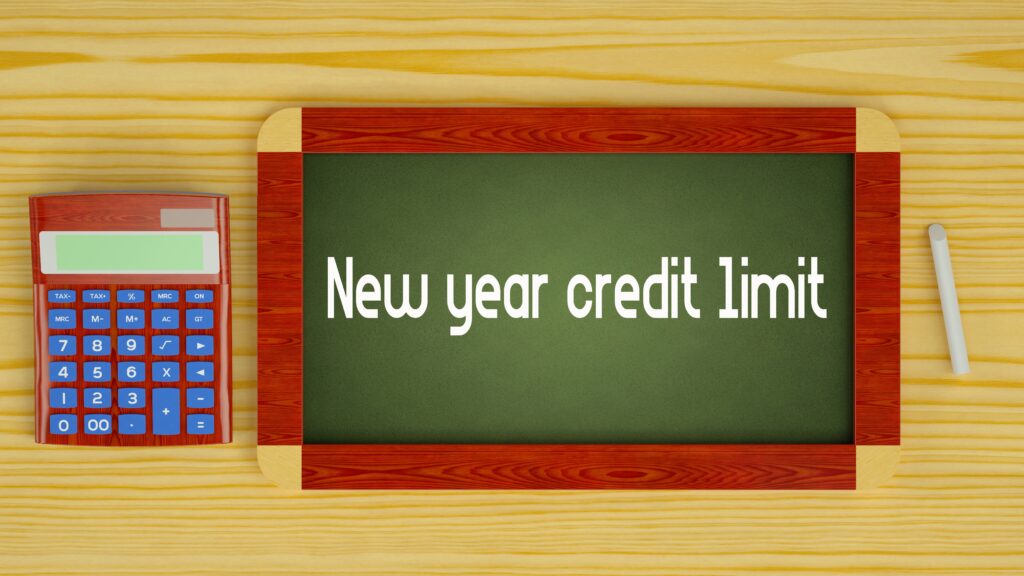
Even the strongest debt payoff plan can get derailed by common mistakes. I see three main pitfalls that tend to trip people up and sometimes make things worse than before.
Neglecting Emergency Savings
It’s tempting to throw every dollar at debt and skip emergency savings. But then, when life throws a curveball, you’re right back in the debt spiral.
At minimum, your emergency fund should be $500 to $1,000 before you go all-in on debt payoff. No safety net? One car repair or medical bill, and you’re swiping the credit card again.
People who skip this step often run into:
- Sky-high stress when surprise bills hit
- Getting stuck in debt cycles from using credit for emergencies
- Losing momentum on their debt goals
- Credit score drops from missed payments in a crisis
Try splitting your focus between debt and a tiny emergency fund. Even $25 a month adds up over time and gives you a buffer.
I always suggest keeping emergency savings in a separate high-yield account. Out of sight, out of mind—less temptation to dip into it for everyday stuff.
Overlooking Small, Recurring Expenses
Little monthly charges can quietly drain your bank account. These sneaky expenses can undo all your hard work on debt.
Common culprits:
| Monthly Cost | Annual Impact |
| Unused gym membership ($30) | $360 |
| Multiple streaming services ($50) | $600 |
| Premium coffee habit ($120) | $1,440 |
| Subscription boxes ($40) | $480 |
We tend to focus on big bills, but it’s the small stuff that quietly chips away at your budget. Go through your last three months of bank statements—you’ll probably spot a few leaky buckets.
The 48-hour rule can help curb new subscriptions. Wait two days before signing up for any recurring service. Gives you time to decide if you really need it.
Tracking every dollar is key. Free apps and bank tools make it easier than ever—spreadsheets are fine, but let’s be honest, most of us won’t keep up with them.
Set a reminder to review charges each month. It’s easy to forget, but catching sneaky expenses early saves you a bundle.
Falling for Debt Relief Scams
When you’re desperate, it’s easy to fall for companies promising miracle debt fixes. These scams can leave you worse off and waste your precious time and money.
Red flags to watch for:
- Promises to wipe out all your debt, no matter what
- Asking for upfront fees before doing anything
- They claim they’ll stop all collection calls instantly
- Saying they can erase accurate info from your credit report
Real debt relief isn’t instant and doesn’t come with guarantees. Legitimate solutions focus on budgeting, negotiation, and honest payment plans.
Scammers reach out in all sorts of ways:
- Social media ads with wild promises
- Robocalls offering “instant” debt forgiveness
- Spam emails about fake government programs
- High-pressure door-to-door sales pitches
The FTC says debt relief companies can’t legally charge fees until they actually settle or reduce your debts. Many states also require special licenses for debt settlement.
Before signing up with anyone, check their Better Business Bureau rating and ensure they’re licensed in your state. Nonprofit credit counseling is a much safer bet than for-profit debt relief services.
How to Organize-Your-Finances for Lasting Results
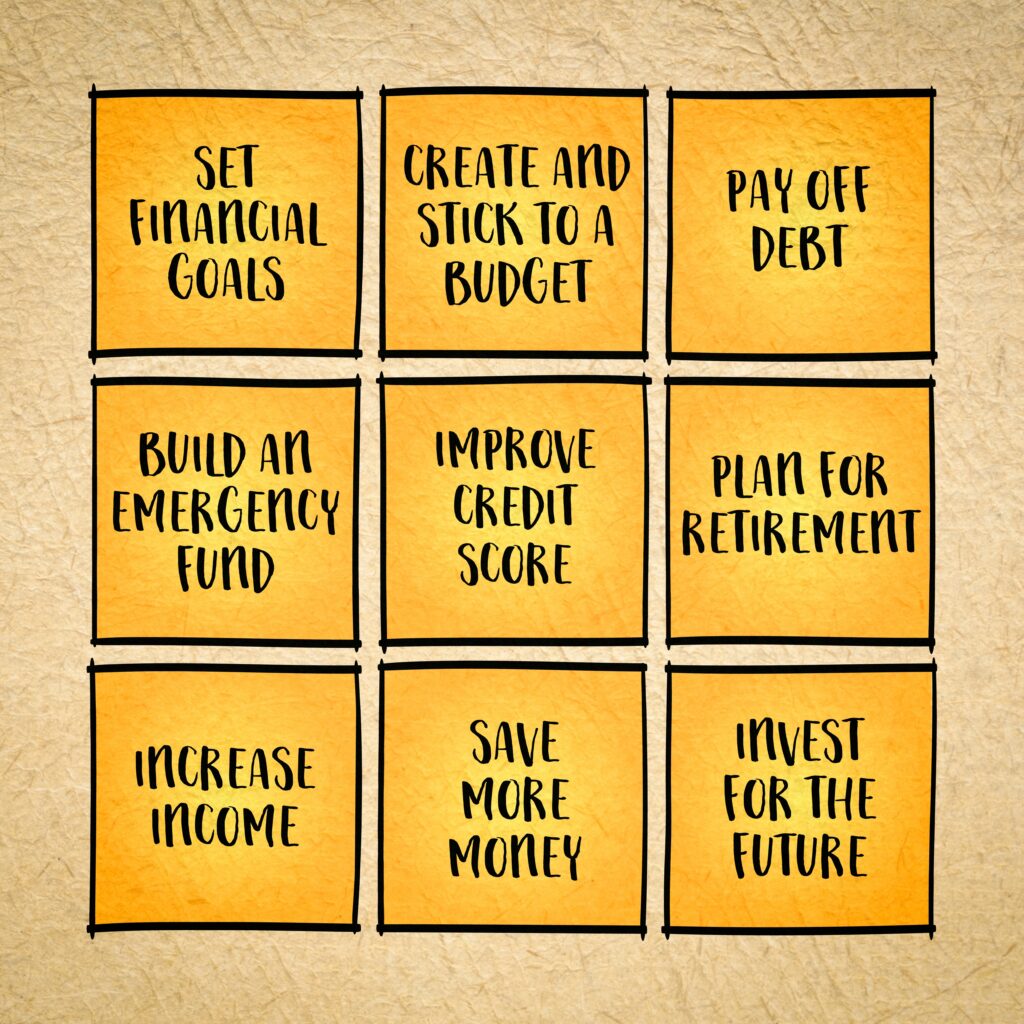
Building a solid financial foundation involves managing expenses effectively and setting clear, achievable goals. These two pillars help you form habits that can eliminate debt and start building lasting wealth.
Streamline Monthly Expenses Effectively
Credit card debt often sneaks up when spending is disorganized and uncontrolled. You’ve got to track every monthly expense to see where your money’s really going.
Break down your spending:
- Fixed: Rent, insurance, minimum payments
- Variable: Groceries, utilities, gas
- Discretionary: Entertainment, eating out, subscriptions
Most of us have a few forgotten subscriptions draining our accounts. Cancel unused streaming services, gym memberships, and random apps immediately.
Set up a basic tracking system—use your phone or a simple spreadsheet. Log every purchase for a month. You’ll probably be surprised by what you find.
The 50/30/20 rule is a good starting point. That’s 50% of income to needs, 30% to wants, 20% to debt and savings.
Quick ways to cut costs:
- Buy generic brands at the store
- Switch to energy-efficient appliances
- Cook at home more often
- Buy used whenever you can
Set Tangible, Achievable Financial Goals
Vague goals, such as “pay off debt faster,” usually fizzle out. Specific targets with deadlines keep you accountable and motivated for debt elimination.
Try the SMART goal method:
- Specific: Pay off $5,000 in credit card debt
- Measurable: Track your monthly payments
- Achievable: Make sure it fits your budget
- Relevant: Will this improve your financial health?
- Time-bound: Set a finish line—like 18 months
Break enormous debts into smaller, monthly chunks. For example, a $6,000 balance becomes $500 a month for a year.
Write down your goals and check in every week. Honestly, people who write out their plans usually get further than those who think about it.
Some goal ideas:
- Save a $1,000 emergency fund
- Pay off the card with the highest interest rate
- Bump up monthly debt payments by $200
- Boost your credit score to 700+
Give yourself milestone rewards as you hit targets. Celebrate, but don’t blow your progress—find free or low-cost ways to mark your wins.
Exploring Innovative Debt Relief Strategies for 2026
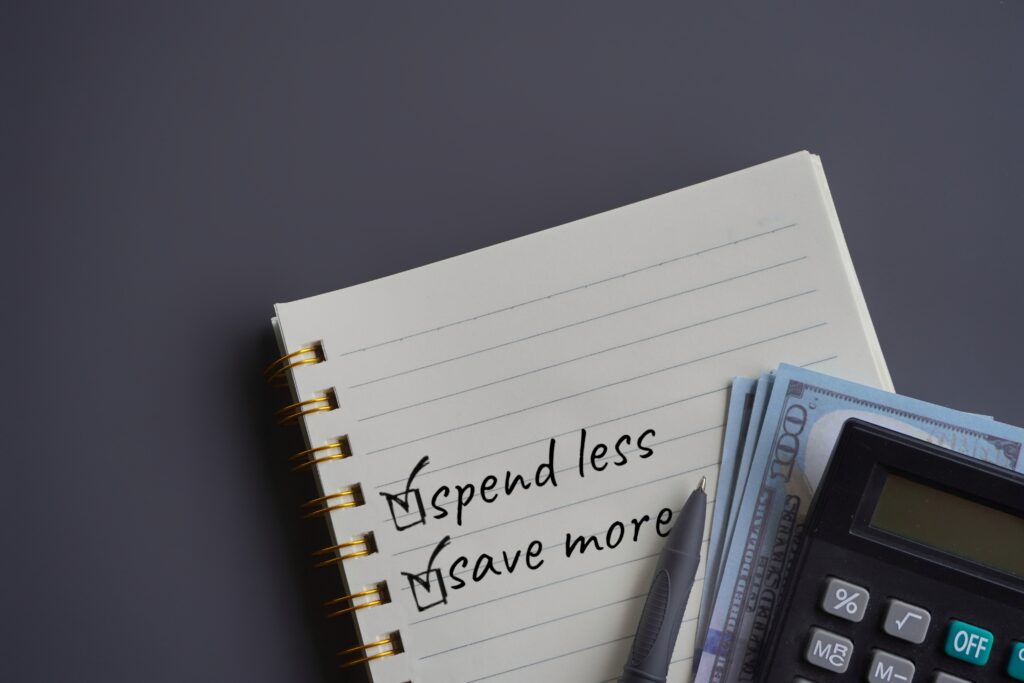
Strategic debt management in 2026 requires innovative approaches that extend beyond simply making payments. Cardholders can reduce their debt by negotiating lower interest rates, making strategic balance transfers, and seeking professional advice tailored to their unique situation.
Negotiating Lower Interest Rates
Credit card companies sometimes lower interest rates if you ask them directly. It’s worth calling your card issuer and requesting a lower APR based on your payment history and current financial situation.
Preparation steps include:
- Gather recent payment records
- Check out competitor rates
- Prepare a short explanation of your hardship
Many issuers have temporary rate reductions or hardship programs. These can lower your rate by 5-10 percentage points for 6-12 months.
Customers with a solid payment record usually have better luck. Even a slight reduction can save you hundreds each year if you’re carrying a high balance.
If the first person you talk to says no, ask to speak with a supervisor. Sometimes, it just takes the right person to say yes.
Utilizing Balance Transfers Wisely
Balance transfer cards often come with 0% APR for 12 to 21 months. That window allows you to pay down the principal without incurring additional interest.
Key considerations for successful transfers:
- Transfer fees: Usually 3-5% of the amount moved
- Credit requirements: The best deals need good to excellent credit
- Payment timing: Don’t miss minimum payments or you’ll lose the promo rate
Do the math before transferring. A $5,000 balance with a 3% fee costs $150 upfront, but you might save over $1,000 in interest during the promotional period.
Some folks extend interest-free periods by moving balances between cards. It works, but you need to stay organized and continually qualify for new offers.
Visit with Millennial Credit Advisers for Personalized Plans
Millennial Credit Advisers can help you build customized debt elimination plans. Learn to analyze your income, expenses, and debt, and use the best recommended course of action.
AI-powered budgeting tools and fintech help advisers make data-driven recommendations. These platforms spot spending patterns and suggest realistic payment schedules.
Services typically include:
- Debt consolidation analysis
- Budget restructuring tips
- Credit score improvement strategies
- Help negotiating with creditors
Many counseling agencies offer a free first consultation. Non-profits usually charge less than for-profit debt relief companies.
Advisers often help clients avoid mistakes, such as closing paid-off accounts or missing payments, during negotiations. With expert guidance, some people pay off debt a year or more faster than if they’d gone it alone.
Comparing Traditional vs. Modern Debt Repayment Methods
Credit card debt needs a clear strategy to tackle it head-on. The snowball and avalanche methods are tried-and-true, but today’s tech tools really help folks stick to their plans.
Snowball Versus Avalanche Method
The snowball method involves paying off the smallest debt first, while making minimum payments on the remaining debts. Those quick wins can seriously boost your motivation.
Snowball Method Steps:
- List debts from smallest to largest
- Pay minimums on everything but the smallest debt
- Throw extra cash at the smallest balance
- Once that’s gone, move to the next smallest
The snowball approach creates momentum with early victories. People see progress fast, and that helps them stick with it.
The avalanche method targets the highest-interest-rate debt first. It saves more money over time, but you might not see quick results.
Avalanche Method Benefits:
- Lower total interest paid
- Faster debt elimination (on paper, anyway)
- Works best for disciplined borrowers
Avalanche focuses on the priciest loans first, while you maintain minimums elsewhere. Knock out the highest-rate debt, then tackle the next one in line.
Financial experts usually recommend the avalanche method for pure savings, but the snowball approach is often better for individuals who need those early wins to stay motivated.
Role of Technology in Financial Discipline
Modern debt payoff relies a lot on apps and digital tools that track your progress automatically. Honestly, it’s way easier than old-school pen and paper.
Key Technology Features:
- Automatic payment scheduling
- Progress tracking with charts
- Spending alerts and budgeting tools
- Debt payoff calculators
Budgeting apps link to your bank and credit cards. They sort your spending and show where every dollar goes each month.
Payment reminders help you avoid late fees and surprise interest hikes. Some apps even negotiate with creditors for you. That’s a game-changer, honestly.
Traditional vs. Digital Methods:
| Traditional Approach | Modern Technology |
| Manual calculations | Automated tracking |
| Paper spreadsheets | Cloud-based apps |
| Physical reminders | Push notifications |
| Static planning | Real-time updates |
Traditional debt collection relied on manual efforts, such as phone calls and paper statements. Now, instant feedback and course corrections are the norm.
The biggest plus with technology? Consistency. Apps eliminate the guesswork and help people avoid those emotional decisions that can derail a plan.
Case Studies: Real Success Stories to start 2026
Three families demonstrate how thoughtful planning and effective strategies helped them overcome credit card debt going into 2026. Their stories prove it’s possible to turn things around with some grit and a solid plan.
How One Family Eliminated $10,000 in Credit Card Debt
The Martin family racked up $10,000 in credit card debt across four cards after the 2023 holidays. By January 2024, they recognized the need for a plan.
Their Strategy:
- Used the debt snowball method, starting with the smallest balance
- Cut monthly expenses by $400 with meal planning and ditching subscriptions
- Threw every extra dollar at debt instead of just making minimums
Maria Martin picked up freelance graphic design work three evenings a week. That brought in another $600 a month just for debt payments.
The Results: They wiped out $10,000 in 14 months and saved over $1,200 in interest compared to making only the minimum payments.
Sticking to one goal at a time kept them on track. They celebrated every card paid off, and that made a difference.
Millennials Gaining Financial Freedom
Jake Chen, 28, started 2024 with $8,500 in card debt and a credit score of 580. Holiday spending had maxed him out.
He grabbed a balance transfer card with 0% interest for 18 months. That gave him some breathing room to tackle the principal.
His Monthly Plan:
- Moved all balances to the new card
- Set up $500 automatic payments each month
- Tracked every dollar with a budgeting app
- Took on overtime shifts for extra cash
Jake also launched a side business selling items online. That added $200-300 a month in year one.
By December, Jake had paid off $6,000. His credit score climbed to 680 thanks to lower balances and on-time payments.
He treated debt payoff like a part-time job, setting aside hours each week just for his finances.
Turning Financial Setbacks into Opportunities
Sarah Williams lost her marketing job in March 2024, while carrying $12,000 in card debt. Instead of panicking, she turned the setback into an opportunity for a fresh start.
She called her card companies right away and explained her situation. Two of them offered temporary payment reductions and waived late fees for a period of three months.
Her Recovery Strategy:
- Applied for unemployment immediately
- Started a consulting business from home in two weeks
- Negotiated payment plans with all creditors
- Sold unused stuff for quick cash
Sarah soon realized she could earn more as a consultant than at her old job. By the end of 2025, her monthly income had jumped from $4,000 to $5,500.
She used the extra $1,500 to make a significant dent in her debt. By December, Sarah had paid off $9,000 of her card debt.
Her story is proof that a job loss can actually open doors. The crisis prompted her to rethink every expense and explore new ways to earn that she’d never considered.
Key Giveaways for Debt-Free New Year Success
Getting out of debt requires effective strategies, expert advice, and high-quality resources. These tools help people recover from post-holiday spending and establish long-term financial stability.
Best Practices from Financial Experts
Financial professionals usually suggest starting debt elimination with the debt snowball method. You start with the smallest balances, which gives you quick wins and keeps motivation high.
Expert-Recommended Strategies:
- List every debt—smallest to largest
- Pay minimums on all accounts
- Throw any extra cash at the smallest debt
- Celebrate when you knock one out
Credit counselors advise individuals to establish a strict monthly budget before tackling debt. The 50/30/20 rule frequently appears: 50% for needs, 30% for wants, and 20% for debt payments and savings.
Monthly Budget Categories:
| Category | Percentage | Purpose |
| Essential Needs | 50% | Housing, utilities, groceries |
| Discretionary | 30% | Entertainment, dining out |
| Debt & Savings | 20% | Extra payments, emergency fund |
Some advisors swear by the debt avalanche method if you want to pay less in interest. You focus on the highest-interest debt first, but still make minimum payments on everything else.
Resources for Further Learning
Numerous educational platforms are offering in-depth debt management courses. You’ll find credit unions offering free financial counseling, too—they’ll help you map out a plan that’s actually tailored to your life.
Recommended Learning Resources:
- Non-profit credit counseling agencies
- Financial literacy apps with debt tracking
- Library books on personal finance management
- Online calculators for payment scenarios
The National Foundation for Credit Counseling offers free consultations with certified counselors. These pros review your situation and show you which debt payoff strategies actually work for you—not just in theory.
Many people join online communities to share their progress and receive encouragement. These groups bring accountability and real-world tips from people in the same boat.
Financial planners often recommend reading authors like Dave Ramsey, Suze Orman, and Robert Kiyosaki. Each one brings a different take on ditching debt and building wealth.
Internal Links to Related Debt Relief Guides
Getting out of debt for good? You’ve got to know your tools. Platforms like the organize-your-finances approach and their systematic methods help you track where your money’s going and spot places to cut back.
Essential Debt Relief Topics:
- Credit score improvement techniques
- Negotiating with creditors effectively
- Building emergency funds while paying debt
- Consolidation loan considerations
Budgeting’s the backbone of any debt elimination plan. You need to track every expense for at least a month to identify patterns and find extra dollars for debt repayment.
The organize-your-finances method helps people set up payment schedules that fit their real income. It’s a game-changer for staying on track and not giving up.
Balance transfers and personal loans can help with high-interest credit card debt. But you’ve got to really look at the numbers—sometimes you end up moving debt around instead of actually paying it off.
Learning about credit utilization ratios and how your payment strategy affects your score is huge. When you know how it works, you can make smarter decisions about which debts to tackle first.
Frequently Asked Questions
Credit card debt relief isn’t just about willpower—it’s about timing, strategy, and knowing your options. Here are some of the most common questions (and answers) about managing post-holiday debt and establishing long-term financial stability.
What are the best strategies for reducing credit card debt in the New Year?
The avalanche method targets high-interest cards first, while you pay the minimum on the rest. It’s the most cost-effective way to eliminate interest quickly.
The snowball method prioritizes paying off your smallest debts first. That quick progress can keep you fired up to keep going.
Balance transfers to 0% APR cards can provide some breathing room, but you must pay off the balance before the promotional period ends. Otherwise, you’re right back where you started—or worse.
Debt consolidation loans can offer lower interest rates than credit cards and provide a single monthly payment. The fixed payoff timeline helps you see the finish line.
How can one effectively budget to tackle post-holiday financial strain?
Zero-based budgeting means assigning every dollar a specific purpose before the month even begins. That way, debt payments get priority instead of whatever’s left over.
The 50/30/20 rule splits your income: 50% for needs, 30% for wants, and 20% for debt and savings. After the holidays, you might need to cut back on the “wants” for a while.
Tracking expenses really opens your eyes. Most people are surprised by how much they spend on little things—subscriptions, takeout, and impulse buys.
Automating payments helps you avoid late fees and protect your credit score. Any additional costs should be applied directly to the principal.
What are the advantages and disadvantages of debt consolidation for credit card relief?
Advantages of debt consolidation include:
Lower interest rates can help you pay less overall. Personal loans often come with much lower interest rates than the typical credit card APR.
One monthly payment makes life simpler. No more juggling a bunch of due dates.
Fixed repayment terms mean you know exactly when you’ll be debt-free. Credit cards don’t give you that kind of certainty.
Disadvantages of debt consolidation include:
Not everyone qualifies, especially if your credit score isn’t great. The best rates are typically reserved for those with strong credit.
Fees can sneak up on you—origination, balance transfer, closing costs—they all add up.
It’s tempting to rack up new debt after consolidating your existing debt. If you keep using your cards, you could end up worse off than before.
How can one balance saving while paying off credit card debt after the holidays?
Whether to save or pay debt first depends on your situation. If you don’t have emergency savings, set aside $500–$1,000 before tackling debt aggressively.
High-interest debt usually beats out savings, though. Credit cards charging 20%+ interest will eat up any gains you’d get from a savings account.
If your employer offers 401(k) matching, don’t skip it—even during debt payoff. That match is free money and can be worth more than what you’d save on interest.
Set up small, automatic transfers to your savings account. Even $25 a month keeps the habit alive without slowing down your debt progress.
What are the most effective ways to negotiate credit card interest rates for debt reduction?
Preparation is key. Check out competitor offers, review your payment history, and confirm your credit score before making a call.
Long-term customers with good payment records have some leverage. Mentioning a balance transfer will often prompt your current card company to budge on rates.
If you’re struggling, ask about hardship programs. Many issuers offer reduced payments or rates if you’re going through a tough patch.
Don’t give up after one call. Some reps have more power than others, so it pays to be persistent (and polite).
Are there any unexpected benefits to paying off credit card debt quickly following the holiday season?
When you pay down balances below 30% of your credit limits, your credit score can jump up within just a cycle or two. Lower utilization ratios make a surprisingly big difference fast.
There’s also a significant mental health benefit. Less financial stress means better sleep, stronger relationships, and you might find yourself more productive at work.
Once you kick that high-interest debt, your cash flow suddenly opens up. Instead of tossing money at minimum payments, you’ve got options—maybe investing, saving for a home, or even taking a course for your career.
Holiday spending drops off after the new year. That shift frees up a bit more cash, so it’s a smart time to tackle those card balances while entertainment and gift costs are lower.
Tax refunds typically arrive between February and April for most individuals. That lump sum can make a massive dent in your remaining debt if you time it right.
As you focus on paying off credit cards, you start building better habits. People who’ve beaten their debt often stick with smarter spending and budgeting down the road.
Disclaimer: Millennial Credit Advisers is not a licensed credit service provider or financial advisor. We don’t offer credit repair, debt management, or legal services. Educate yourself on saving, reducing debt, and managing credit for economic improvement. Understand credit reports, scores, and financial products. Consult a financial advisor for personalized advice. Track your progress for a better credit journey.
Written content: Please view our full AI Use Disclosure.
We improve our products and advertising by using Microsoft Clarity to see how you use our website. By using our site, you agree that we and Microsoft can collect and use this data. Our privacy policy has more details.