DIY Credit Repair Step-by-Step. Your Complete Guide to Fixing Your Credit Score Without Professional Help. Find Out More In Our Latest Article!
THIS ARTICLE MAY CONTAIN AFFILIATE LINKS, MEANING I GET A COMMISSION IF YOU DECIDE TO MAKE A PURCHASE THROUGH MY LINKS AT NO COST TO YOU. PLEASE READ MY AFFILIATE DISCLOSURE FOR MORE INFO.
DON’T HAVE TIME TO READ THE FULL ARTICLE. HERE’S WHAT YOU ARE MISSING.
- DIY Credit Repair Step-by-Step. Your Complete Guide to Fixing Your Credit Score Without Professional Help. Find Out More In Our Latest Article!
- Understanding Credit Scores and Reports
- Gathering and Reviewing Your Credit Data
- Step-By-Step Guide to DIY Credit Repair
- Building Positive Credit Habits
- Advantages of DIY Credit Repair
- Potential Disadvantages and Pitfalls
- Additional Tools and Resources for Credit Repair
- How DIY Credit Repair Impacts Your Financial Future
- Expert Tips for Maintaining Healthy Credit
- Common Myths About Credit Repair
- Call to Action: Start Your DIY Credit Repair Journey Today
- Frequently Asked Questions
Your credit score touches so many parts of life, from getting a loan to just renting an apartment. You can fix your credit yourself without throwing money at expensive repair companies—here’s how, step by step.
Most people think credit repair is confusing or out of reach, but honestly, anyone can pick it up. It’s just a matter of learning the ropes.
Credit repair companies often charge hundreds for things you can do yourself. Sure, it takes time and patience, but think about the money you’ll keep in your own pocket.
You just need to know the right steps and stick with them. Really, consistency is everything.
DIY credit repair puts you in the driver’s seat of your finances and teaches you skills you’ll use forever. This guide covers everything from understanding your credit report to building better credit habits.
You’ll pick up the exact process that works, what to avoid, and how to keep your credit strong long-term.
Millennial Credit Advisers Key Giveaway’s
- Anyone can repair their own credit by following proven steps and sticking with it
- Understanding your credit report and disputing errors are the foundation of successful credit repair
- Building positive credit habits after repair helps maintain a healthy score long-term
To really succeed with DIY credit repair, you need to know the steps, use strategies that work, and watch out for the common traps. These basics make all the difference between meaningful credit improvement and just spinning your wheels.
Essential Steps for DIY Credit Repair
Start by getting your free credit reports from all three bureaus. Did you know errors show up in about 30% of consumer files? That’s why a careful review is so important.
Step 1: Document Everything Set up a folder just for credit stuff. Keep every letter, dispute, and response from the bureaus in one place.
Step 2: Identify Inaccurate Items Scan for wrong account numbers, payment histories that don’t match, or accounts you don’t recognize. These are the things you can dispute and get removed.
Step 3: File Strategic Disputes Go after the most damaging errors first—think late payments, collections, or charge-offs. Target what’s hurting your score the most.
Step 4: Follow Up Consistently Credit bureaus have 30 days to check out your dispute. If they don’t answer, that item has to come off your report.
If you follow this plan, you can remove up to 70% of negative items. Pretty wild, right?
Tips for Maximizing Your Credit Score
Payment timing matters more than most folks realize. Pay before your statement closes to keep your utilization low.
Set up autopay for everything if you can. Just one late payment can drop your score by 60-100 points and hang around for seven years.
Keep your credit utilization below 10% per card and overall. Even if you always pay on time, high utilization makes lenders nervous.
| Strategy | Impact on Score | Timeline |
|---|---|---|
| Pay down balances | +50-100 points | 1-2 months |
| Remove collections | +20-50 points | 2-4 months |
| Fix payment history | +60-100 points | 3-6 months |
Ask for credit limit increases every six months. Higher limits mean lower utilization, even if you don’t change your spending.
Don’t close old credit cards. The longer your credit history, the better—15% of your score comes from this alone.
Common Mistakes to Avoid During Credit Repair
Don’t dispute too many items at once. If you do, you might trigger fraud alerts and get automatic rejections. That’s called shotgun disputing—not a good look.
Stick to 3-5 disputes per bureau each month. It looks more legit and actually works better.
Watch out for credit repair companies that promise the moon. Nobody can legally erase accurate negative info faster than you can yourself.
Before you attempt to erase any accurate negative information from your credit reports, you must understand the U.S. Law, the Fair Credit Reporting Act (FCRA). It’s illegal to permanently remove accurate, current negative information from a credit report.
Never ignore debt collectors. If you do, unpaid debts can start the seven-year clock all over again and create new collections.
Hold off on applying for new credit while you’re fixing things. Every hard inquiry knocks your score down a bit and can make you look desperate to lenders.
Some people stop checking their progress after things start looking up. Don’t. It takes 12-24 months of steady attention to really see the best results.
Closing accounts to “clean up” your reports? That actually hurts your score. Keep them open and use them once in a while to keep your history positive.
Understanding Credit Scores and Reports
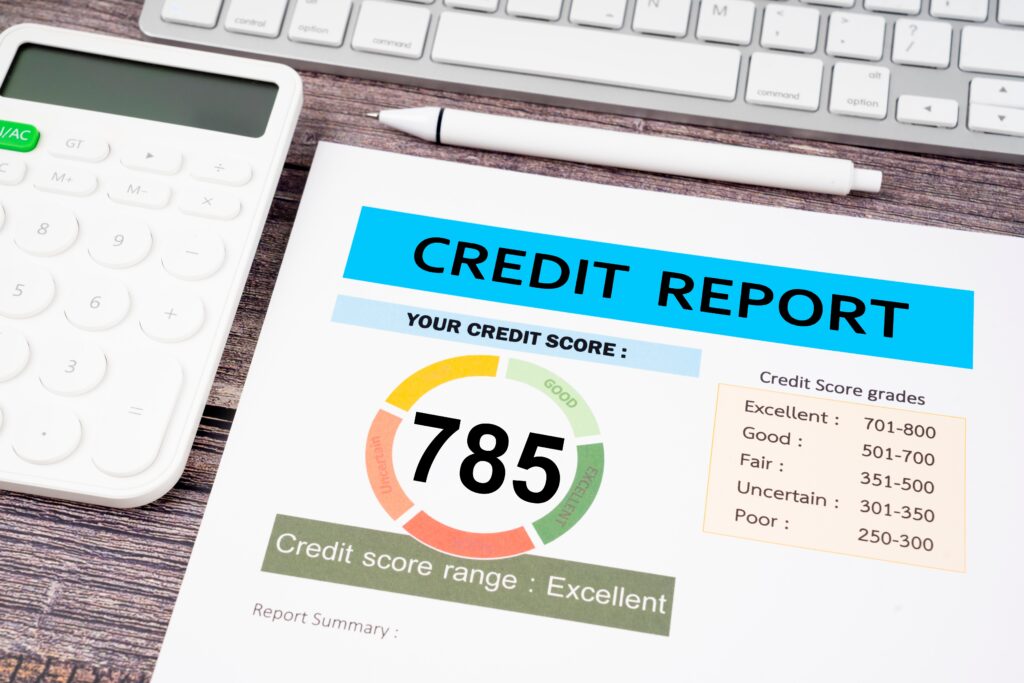
Credit scores run from 300 to 850. They directly affect whether you get approved for loans and what interest rates you’ll pay.
Credit reports spell out your payment history, debts, and account status—these details shape your score.
What Makes Up Your Credit Score?
Payment history is 35% of your score. That’s every on-time, late, or missed payment. Even one late payment can ding you for 60 to 110 points.
Credit utilization is 30%. This just means how much of your available credit you’re using. Stay under 30% on each card and overall if you can.
Length of credit history makes up 15%. Older accounts help more than new ones. The average age matters, not just your oldest account.
Credit mix is 10%. Lenders like to see you can handle different types of credit—cards, car loans, mortgages, whatever.
New credit is the last 10%. Too many new accounts or hard pulls in a short time will drag your score down.
| Credit Score Factor | Percentage | KeyPoints |
| Payment History | 35% | Pay all bills on time |
| Credit Utilization | 30% | Keep below 30% usage |
| Length of History | 15% | Keep old accounts open |
| Credit Mix | 10% | Mix of cards and loans |
| New Credit | 10% | Limit hard inquiries |
How to Access Your Credit Reports
Federal law gives you one free credit report from each bureau every year. Go to AnnualCreditReport.com to grab them from Experian, Equifax, and TransUnion to grab your reports weekly.
Many credit card companies and banks show you your score for free, sometimes with weekly updates. That’s handy for tracking changes.
Try spacing out your requests. Check one bureau every four months, so you’re always keeping an eye out for errors or fraud.
Some banks and credit unions offer free credit monitoring with alerts and daily updates. That’s worth signing up for if you’re serious about this.
Other services charge a monthly fee but throw in extras like identity theft protection or credit simulators. Decide if you need those features.
Analyzing Your Credit Report for Errors
Start by checking your personal info. Wrong addresses, names, or Social Security numbers could mean identity theft or a mixed-up file.
Look over all your accounts. Double-check balances, payment history, and account status. If you see accounts or debts you don’t recognize, that’s a red flag.
Review payment history for each account. Late payments should only show up if you actually paid late—dispute any mistakes right away.
Common errors to find:
- Accounts that aren’t yours
- Wrong payment history
- Incorrect balances or limits
- Closed accounts marked as open
- Duplicate accounts
Check hard inquiries from the last two years. You should know every company listed. Unknown inquiries might mean fraud or identity theft.
Look at public records for bankruptcies, judgments, or liens. Make sure everything is accurate and actually belongs to you.
Document every error—take notes, screenshots, whatever works. You’ll need this when you file disputes with credit bureaus or creditors.
Gathering and Reviewing Your Credit Data

Getting all three credit reports and combing through them for errors is where successful DIY credit repair really starts. You need to document everything systematically if you want your disputes to stick.
Requesting Reports from All Major Bureaus
Everyone gets free credit reports from Experian, Equifax, and TransUnion each year. Use the official site annualcreditreport.com for free access.
Timing tip: Don’t grab all three at once. Request one every four months so you’re always monitoring for changes or surprises.
Each bureau might show different info. Lenders don’t always report to all three, so some debts could pop up on just one or two reports.
What you’ll need:
- Social Security number
- Current address
- Previous addresses from last two years
- Phone number
- Date of birth
The whole thing takes about 5-10 minutes per bureau. Go for the online option—it’s instant, way easier than waiting for the mail.
Identifying Inaccuracies or Outdated Information
Credit reports list personal info, payment history, and account details—all stuff you really need to double-check. Errors can tank your credit score fast, so watch for these:
Personal Information Errors:
- Misspelled names
- Wrong addresses
- Incorrect Social Security numbers
- Wrong job info
Account Information Problems:
- Accounts that aren’t yours
- Payment histories that don’t match your records
- Wrong balances
- Closed accounts listed as open
Timing Issues:
- Accounts older than seven years (except Chapter 7 bankruptcy—ten years)
- Late payments showing past the seven-year limit
- Collections that should’ve dropped off by now
Status Errors:
- Paid accounts marked unpaid
- Settled debts still showing as outstanding
- Wrong credit limits
Check the dates. Timing violations get missed all the time, and if you catch them, bureaus have to remove them.
Documenting Findings for Disputes
Set up a system to track every mistake you spot across all three bureaus. Seriously, documentation is your best friend here.
Create a master spreadsheet with these columns:
| Bureau | Account Name | Error Type | Current Info | Correct Info | Supporting Docs |
|---|---|---|---|---|---|
| Experian | ABC Bank | Wrong Balance | $500 | $0 (Paid) | Bank Statement |
Gather supporting documents:
- Bank statements proving payments
- Settlement letters
- ID proof for personal info errors
- Court docs for bankruptcies or judgments
- Letters from original creditors
Take screenshots of online statements. Print anything important. Digital files have a way of vanishing at the worst times.
Organize by priority:
- Accounts you don’t recognize (could be ID theft)
- Stuff that’s too old to be reported
- Payment history mistakes
- Personal info errors
Keep paper copies in a folder. Back up digital files in the cloud, just in case.
Photo evidence helps. Snap pics of statements and letters. Include dates and account numbers in the filenames—it’ll save you headaches later.
Step-By-Step Guide to DIY Credit Repair

DIY credit repair boils down to four things:
- Finding and disputing legitimate errors.
- Talking to creditors.
- Setting up payment plans.
- Being smart about new credit.
Each part takes a little strategy and a lot of patience.
Disputing Credit Report Errors Effectively
You can start by pulling your credit reports from Experian, Equifax, and TransUnion. You get free weekly credit reports at annualcreditreport.com—don’t skip this step.
Go through every line. Look for wrong info, accounts you don’t recognize, payment mistakes, and duplicates.
Gather your documents—bank statements, payment records, letters from creditors. Pros swear by organizing evidence before you file disputes.
Write formal dispute letters to each bureau. Point out specific errors and attach your proof. The bureaus have 30 days to respond.
Good dispute letters include:
- Your personal info
- Account numbers and what’s wrong
- Clear requests to fix or remove the error
- Copies of your documents
Stay on top of it. If you don’t hear back in 30 days, file a complaint with the Consumer Financial Protection Bureau.
Negotiating Debt with Creditors
Talking to creditors directly beats dealing with collection agencies, hands down. Always start with the original creditor if you can.
Negotiation tips:
- Offer lump-sum payments for less than you owe
- Ask for payment plans with lower interest
- Request “pay-for-delete” in writing
- Negotiate to remove late payments
Timing matters—a creditor is more flexible when your account is really late but not yet charged off.
Get everything in writing before you pay a dime. Verbal deals won’t protect you if they back out.
Your agreement should spell out:
- Exact payment amounts and due dates
- If the payment settles the debt fully
- What they’ll report to the credit bureaus
- Contact info for follow-up
Never give bank account access or set up auto-pay until you have the deal in writing.
Setting Up Payment Plans and Tracking Progress
Payment plans keep you on track and show creditors you’re serious. Prioritize debts by interest rate and how much they affect your score.
Pay debts in this order:
- Mortgage and car payments
- High-interest credit cards
- Medical bills, personal loans
- Collections that still hit your score
Set up auto-pay if you can. Most creditors let you schedule online payments that match your payday.
Track these things:
- Payment dates and confirmation numbers
- Balances and credit limits
- Monthly credit score updates
- Any back-and-forth with creditors
Use a spreadsheet or budgeting app—whatever you’ll actually check. Keep an eye out for new errors and adjust your plan if you need to.
You’ll usually see results in three to six months. DIY credit repair takes patience, but it works if you stick with it.
Managing New Credit Applications Responsibly
Applying for new credit while repairing your score? Go slow. Every hard inquiry can ding your score by a few points.
Smart timing tips:
- Wait until old disputes are settled
- Try secured cards to rebuild history
- Limit applications to one every few months
- Shop for loans within a short window (14-45 days)
Secured cards are usually the safest bet. You put down a deposit, and they report your payments to all three bureaus.
Look for secured cards with:
- Low or no annual fees
- Reporting to all bureaus
- Options to upgrade to unsecured cards
- Reasonable deposit requirements
Keep your balances under 10% of your total credit limits. That ratio matters a lot for your score.
Manage new accounts carefully. On-time payments are the single most important factor for credit repair.
Building Positive Credit Habits

Solid credit habits are what really set you up for financial freedom. It’s not rocket science—just pay bills on time, keep card balances low, and mix up your credit types a bit.
Paying Bills On Time, Every Time
Payment history is 35% of your score. Miss a payment and you might feel it for a long time.
Set up auto-pay if you can. Most banks and card companies offer it for free, and you can pick the amount—minimum, full, or a set dollar figure.
Reminders that actually work:
- Phone alerts a few days before due dates
- Calendar notifications
- Email reminders from your card company
- Sticky notes on your mirror or fridge
Late payments stick around for seven years, but the sting fades as you build new positive history.
If you slip up once, call your card company. They often waive the fee if you’ve been a good customer.
Strategically Reducing Credit Card Balances
Credit utilization is 30% of your score. It’s just how much you owe compared to your total credit limit.
Stay under 30% on each card, but under 10% is even better. It’s a quick way to see your score rise.
How to cut balances faster:
- Pay more than the minimum
- Make extra payments before the statement closes
- Tackle the highest interest cards first
- Transfer balances to 0% APR cards (if you qualify)
| Balance Percentage | Credit Score Impact |
|---|---|
| 0-10% | Excellent impact |
| 11-30% | Good impact |
| 31-50% | Fair impact |
| 51%+ | Poor impact |
Try paying before the statement date, not just the due date. That’s when your balance gets reported to the bureaus.
Diversifying Your Credit Mix
Credit mix is 10% of your score. Lenders like to see you can handle different types of credit.
There are two main types: revolving (credit cards, lines of credit) and installment (mortgages, car loans, personal loans).
Typical credit accounts:
- Credit cards
- Auto loans
- Mortgages
- Personal loans
- Store cards
- Student loans
Add new accounts slowly. Opening a bunch at once can actually hurt your score for a while.
Secured cards are great if you’re just starting out or rebuilding. You put down a deposit, and after 6-12 months of on-time payments, many banks will upgrade you.
Store cards are easier to get but usually have higher rates and lower limits. Don’t go wild—use them sparingly if you need to build credit.
Advantages of DIY Credit Repair

DIY credit repair can save you a lot of money and teach you real-world financial skills. You get to call the shots instead of handing over control—and fees—to a credit repair company.
Saving on Cost Compared to Professional Services
Credit repair companies usually charge $50 to $149 each month. That adds up fast.
DIY credit repair means you skip those monthly bills. Really, you just pay for credit reports and postage for legitimate dispute letters.
Cost Comparison:
- Professional services: $600-$1,788 per year
- DIY approach: $0-$50 per year
Most credit monitoring services offer free reports. Mailing a dispute letter costs less than a buck.
That money can go straight to paying off debt instead. It’s a win-win—lower debt, better utilization, and no service fees draining your wallet.
Gaining Financial Literacy and Independence
Doing it yourself forces you to actually learn how credit scoring works. You’ll figure out what’s on your report and what matters most for your score.
This kind of knowledge sticks with you. Knowing about utilization, payment history, and account types helps with every money decision down the road.
Key Skills Developed:
- Reading and analyzing credit reports
- Understanding dispute processes
- Managing debt-to-income ratios
- Recognizing identity theft warning signs
Free credit repair resources can help you build skills for life. When you know how the system works, you’re less likely to get tripped up again.
These skills come in handy for loans, mortgages, and more. Honestly, financial literacy is an asset that pays off again and again.
Full Control Over Your Credit Journey
DIY credit repair means you decide what happens and when. You don’t have to wait around for a company to get to your file.
You can jump on the biggest errors first, pick your battles, and send follow-ups on your own timeline.
Control Benefits:
- Immediate action on discovered errors
- Personalized strategy based on your needs
- Direct communication with credit bureaus
- Flexible timeline that fits your schedule
Privacy’s a big plus, too. Your financial details stay with you—not some third party.
You set the pace. Some folks want to go slow and steady, others want to push hard. It’s your call.
Potential Disadvantages and Pitfalls

DIY credit repair takes real time and energy. If you mess up, you could actually make things worse or miss a key deadline.
Time and Effort Required for Success
Credit repair isn’t a weekend project. Most people spend 3-6 months before seeing solid results, and tougher cases can drag on for a year or more.
You’ll be juggling a bunch of tasks every week. That means pulling reports from all three bureaus and digging into every error before you dispute it.
Weekly time commitments typically include:
- Reviewing account statements and credit reports
- Writing legitimate dispute letters
- Following up on pending disputes
- Tracking responses and deadlines
- Researching consumer protection laws
The paperwork can catch people off guard. Each dispute needs its own documentation, and you’ll want to keep records of every call or letter.
If you’re new to this, there’s a real learning curve. Understanding the laws and the process can take weeks before you even start fixing anything.
Risks of Worsening Credit Situation
Handle disputes the wrong way and it might backfire. Repeatedly disputing true information can get your accounts flagged.
Common mistakes that damage credit include:
- Disputing accurate info over and over
- Missing payments while distracted by disputes
- Closing old accounts you should keep
- Applying for new credit during the process
Contacting debt collectors about old debts can restart the clock and make you liable again. That’s a headache nobody wants.
Bad timing can hurt, too. Disputing accounts right before you need a loan can drop your score at the worst moment.
When to Consider Professional Help
Some situations just get too complicated. If you’re dealing with bankruptcies, foreclosures, or lawsuits, a pro might be worth the money.
Professional help makes sense when:
- Legal action is involved
- Your income’s at risk from garnishments
- You’ve got multiple serious negative marks
- You’re on a tight deadline
- DIY didn’t work last time
Some credit problems need deep knowledge of federal rules. Pros know the ins and outs, and sometimes they have contacts at the bureaus or with collectors.
Affordable Credit Repair Services can step in when the stakes are high—like if your job or housing depends on your score.
Additional Tools and Resources for Credit Repair
Having the right tools makes credit repair a lot smoother. Free monitoring helps you watch your score, and good guides show you what to do next.
Best Free and Paid Credit Monitoring Tools
Free Credit Monitoring Options Credit Karma gives you free scores from TransUnion and Equifax, plus weekly updates. You’ll get alerts for new accounts or hard pulls right away.
AnnualCreditReport.com is the official spot for a free report from each bureau every year. It’s the real deal—no gimmicks.
Paid Monitoring Services Experian Premium runs $24.99 a month and throws in daily updates, ID theft protection, and dark web checks. You get FICO scores from all three bureaus.
MyFICO starts at $19.95 monthly and shows you the actual FICO scores lenders use. That’s a big deal if you’re prepping for a mortgage or car loan.
Credit Repair Software Some credit repair software helps organize your disputes and track progress. A few even give you templates and reminders so nothing slips through the cracks.
Recommended Articles and Guides
Educational Resources The Consumer Financial Protection Bureau has solid guides on your rights and the dispute process. They break down the Fair Credit Reporting Act in plain English.
DIY Credit Repair Guides DIY repair kits come with step-by-step instructions and templates. Some offer a bunch of letter formats and a clear action plan.
Industry Publications Credit repair blogs and websites post fresh strategies and real-life stories. Some update monthly with new tips or legal changes.
Books and Courses There are plenty of books and online classes if you want to go deep. Many include videos and worksheets so you can practice as you learn.
Staying Up-to-Date with Credit Laws
Federal Regulations The Fair Credit Reporting Act keeps changing—new rules pop up about dispute deadlines and ID theft all the time.
State-Specific Laws States like California and New York have extra rules for credit repair. It’s worth checking your local laws before you start.
Industry Changes Credit scoring models evolve, too. FICO 10T looks at trends, while VantageScore 4.0 focuses more on payment patterns.
Legal Updates Court decisions and regulatory tweaks can change what works. Following consumer protection sites helps you keep up.
Professional Networks Credit repair associations put out newsletters and webinars on new rules. They’re great for staying in the loop.
How DIY Credit Repair Impacts Your Financial Future

Taking charge of credit repair can really change your life. You might get better loan rates, lower insurance, and more housing choices—and you’ll pick up money management skills that last.
Long-Term Benefits of Good Credit
Good credit scores pack some real financial punch over time. If you keep your credit in great shape, you might save $50,000 to $100,000 in interest payments throughout your life compared to someone with poor credit.
Lower interest rates show up everywhere. Credit cards might offer 12-15% for excellent credit, but if your score’s low, you could see 25-30% rates.
Mortgage rates can swing by 1-2 percentage points, which translates to thousands in savings every month. That’s not pocket change.
Insurance premiums drop a lot when your credit improves. Auto insurance companies factor your score into the rates they offer.
In most states, folks with good credit pay 20-50% less for car insurance than those with poor credit. That adds up quickly.
Employers are checking credit reports more often these days. Finance, government, and management jobs tend to require good credit.
If your score’s low, you might not even make it to the interview. That’s a tough pill to swallow.
Credit repair isn’t just about numbers—it’s about building real financial discipline. You learn to track your spending, pay bills on time, and handle debt like a pro.
These DIY credit repair strategies help you form habits that keep future credit messes at bay.
Opportunities Unlocked by Improved Credit Scores
High credit scores really open doors. Banks roll out their top credit cards—think big rewards, no annual fees—for anyone with a score above 740.
Housing options multiply when your credit’s solid. Landlords often turn away applicants with poor credit or demand hefty deposits.
With excellent credit, homebuyers can snag conventional loans with just 3% down. That’s a game-changer for a lot of folks.
Business opportunities also grow when your personal credit is strong. Need a small business loan or equipment financing? Good credit makes it possible.
If your score’s low, finding capital for your business can feel nearly impossible.
| Credit Score Range | Available Opportunities |
|---|---|
| 800+ | Premium rewards cards, best mortgage rates, business loans |
| 740-799 | Most credit products, competitive rates, rental approvals |
| 670-739 | Standard credit products, average rates, some restrictions |
| Below 670 | Limited options, high rates, security deposits required |
When emergencies hit, good credit can save the day. You can get a personal loan or open a credit line fast to cover unexpected expenses.
With poor credit, you might get turned down or stuck with sky-high rates from predatory lenders. That’s a rough spot to be in.
Integrating Credit Repair with Broader Financial Goals
Credit repair works best when you weave it into your bigger financial plan. Try to align your credit improvement with saving, paying off debt, and even investing.
Debt consolidation gets easier as your score climbs. Better credit lets you qualify for balance transfer cards with 0% intro rates or lower-rate personal loans.
It’s way simpler to build an emergency fund when you’re not drowning in credit card payments. If you’re paying 25% interest, fixing your credit should come before you start investing.
Want to buy a home sooner? Improving your score with DIY credit repair techniques can shave 1-2 years off your renting timeline.
Good credit also helps with retirement planning. Lower borrowing costs free up cash for your retirement accounts.
You won’t have to raid your nest egg just to pay off high-interest debt. That’s a relief, right?
Credit monitoring becomes second nature after you do the work to repair your credit. Keeping an eye on your reports helps you spot identity theft and catch errors before they do damage.
That kind of vigilance protects all the progress you’ve made.
Expert Tips for Maintaining Healthy Credit
Staying on top of your credit isn’t a one-and-done deal. You need to keep an eye on your reports, protect your info from scammers, and tweak your credit strategy as your situation changes.
These habits are the backbone of solid credit health, plain and simple.
Regularly Reviewing Your Credit Reports
Check your credit reports from all three bureaus at least once every four months. That way, you cover the whole year without letting too much time slip by.
Free report sources:
- AnnualCreditReport.com (the real government site)
- Credit card companies that offer free monitoring
- Banks with built-in credit tracking tools
People find mistakes on their reports all the time. Watching for changes gives you a shot at catching issues early.
Look out for errors like wrong personal info, accounts that aren’t yours, or incorrect payment history. Even one late payment reported by mistake can drop your score 60-100 points.
If you spot a problem, jump on it—file disputes with both the credit bureau and whoever sent in the bad info. Most cases get sorted out within a month.
Protecting Yourself from Identity Theft
Identity theft can wreck your credit in no time. Thieves use your info to open fake accounts and rack up debt in your name.
Must-do protection steps:
- Freeze your credit reports at all three bureaus
- Use tough, unique passwords for money accounts
- Don’t share your Social Security number unless you absolutely have to
- Check your bank and credit card statements every week
Credit freezes block anyone from opening new accounts without your say-so. They’re free and easy to manage, so why not use them?
Be extra careful with emails and phone calls asking for personal info. Real companies almost never ask for sensitive details that way.
Set up fraud alerts for another layer of safety. You’ll get notified if someone tries to poke around in your credit or open new accounts.
Reevaluating Credit Strategies Annually
Life changes, and your credit approach should too. Take an annual review to see what needs tweaking and spot new opportunities.
Check your interest rates, credit limits, and credit utilization ratios. Markets shift, so you might find a chance to refinance or consolidate at better rates.
Ask yourself if your current credit cards still work for you. Maybe there’s a new card with better perks or lower fees out there.
Annual review checklist:
- Compare your APRs to what’s out there now
- Add up your annual fees for all cards
- Review utilization across every account
- Look into debt consolidation if needed
- Make sure your emergency fund is solid
This yearly checkup usually uncovers ways to save money or boost your score. Sometimes you qualify for better products or realize you can drop some fees.
If your income or expenses change, adjust your payments or credit limits. Don’t wait for trouble—reach out to lenders early, and you might get better terms.
Common Myths About Credit Repair
Credit repair myths are everywhere, and they trip up a lot of folks. These bad ideas can keep people from making real progress with their credit.
Myth 1: Credit repair companies can wipe out true negative marks instantly. Nope. Nobody can erase accurate info from your credit report overnight. Real credit repair takes time and focuses on fixing mistakes.
Myth 2: All credit reports are flawless. Not even close. The biggest myths include thinking reports are always right. You should check yours regularly for errors—trust me, they’re more common than you’d think.
Myth 3: Credit repair is always a scam. That’s just not true. You can dispute errors yourself for free. Some companies are legit, but plenty overpromise and underdeliver.
Myth 4: You have to pay for credit repair. Nope again. Disputing mistakes doesn’t cost a dime. Credit bureaus and info providers must fix anything that’s wrong.
Myth 5: Negative marks stay forever. False stuff can be removed if you dispute it. Legit negative items usually stick around for seven years, but not forever.
| Myth | Reality |
|---|---|
| Instant credit repair | Takes months of work |
| Must pay companies | Can dispute for free |
| All reports are perfect | Reports often have errors |
Knowing the truth about these myths helps you dodge scams and focus your energy on what actually works. Don’t let bad info hold you back from better credit.
Call to Action: Start Your DIY Credit Repair Journey Today
The time to take control of your credit is now. Every day you wait, negative items keep dragging down your financial options.
Your credit repair journey starts with three simple actions:
• Get your free credit reports from all three bureaus today.
• Review each report for errors and outdated information.
• Create your first dispute letter using proven templates.
Most folks notice changes within 30-60 days after starting the DIY credit repair step-by-step process. The earlier you jump in, the sooner you’ll see progress toward your financial goals.
Ready to transform your credit score? Try the strategies in this guide. Each step builds on the last, so you’re not stuck spinning your wheels.
Remember these key points as you begin:
| Action Item | Timeline | Expected Result |
|---|---|---|
| Pull credit reports | Day 1 | Identify all issues |
| Send legitimate dispute letters | Week 1-2 | Start removal process |
| Pay down balances | Ongoing | Lower utilization |
| Monitor progress | Monthly | Track improvements |
Don’t let poor credit hold you back any longer. Take that first step and order your credit reports. Your future self will be glad you did—it’s honestly one of the best moves you can make for your finances.
The tools and knowledge are all here. Now it’s just about putting them to work and watching your score inch up, month by month.
Frequently Asked Questions
People always have questions about timing, legal rules, how to dispute, negotiating with creditors, and just keeping things on track for the long haul. Knowing these details makes it a heck of a lot easier to actually get somewhere with your credit repair.
What are the initial steps to take when starting self-directed credit repair?
First, grab your free credit reports from all three major bureaus at annualcreditreport.com. Go through each report and look for errors, weird inconsistencies, and anything that’s out of date.
Next, organize what you find—maybe a spreadsheet, maybe a stack of folders, whatever works. Tracking which items need disputes and keeping tabs on your progress really helps.
Set up a dedicated email and phone number just for credit stuff. Keeping everything in one place means you won’t lose important messages in the shuffle.
Make a timeline with some actual goals. You’ll usually see some results in 30 to 45 days, but if your credit’s a mess, it might take a few months to really clean things up.
How can I ensure that my credit repair efforts adhere to legal standards?
The Fair Credit Reporting Act (FCRA) gives you rights and lays out the rules for credit reporting. Only dispute items that are actually wrong, incomplete, or can’t be verified—don’t fudge the facts.
Never lie or stretch the truth in your dispute letters. That can backfire and get you in hot water, plus it hurts your credibility with the bureaus.
The Credit Repair Organizations Act (CROA) mostly covers companies, but it’s a good idea to follow those guidelines yourself. Be straight-up and transparent in every credit-related conversation.
Keep copies of everything—letters, certified mail receipts, responses from bureaus or creditors. Good documentation protects you and shows you’re acting in good faith.
What strategies can I implement to dispute inaccuracies on my credit report?
Only write dispute letters that get to the point. Don’t rely on generic templates—spell out exactly what’s wrong and why it shouldn’t be there.
Attach backup, like payment records, account statements, or reports if you’ve dealt with identity theft. Solid evidence makes your case stronger and can speed things up.
File disputes with all three credit bureaus. They don’t share notes, so you’ve got to cover each one separately.
Follow up within 30 days. Bureaus have to investigate in that window. If they don’t fix things, take it up with the Consumer Financial Protection Bureau.
Can you outline an effective approach to negotiating with creditors?
Call creditors directly. You’ll often get results faster than waiting on the credit bureaus to sort it out.
Try to work out payment arrangements in exchange for something positive on your report. This can help, especially if your account’s past due but not totally written off yet.
If you go for a “pay for delete” deal, get it in writing before you pay a cent. That way, you know they’ll actually remove the negative mark after you pay.
Setting up a payment plan shows you’re serious about fixing things. Regular payments can keep your account from heading to collections.
What are the benefits and potential downsides of DIY credit repair?
Honestly, the biggest win is saving money—pro credit repair services can run you hundreds every month. With a DIY credit repair step-by-step approach, you keep that cash and still get results.
You’re in the driver’s seat. You can focus on what matters most to you and tweak your strategy as you go.
But let’s be real: it takes time and attention to detail. If you’re swamped or your credit’s a complicated mess, it can feel like a lot.
Without some experience, you might miss things or try stuff that doesn’t work. Sometimes, pros get results faster just because they know the ropes. But if you’re willing to learn, you can absolutely do this on your own.
What measures should be taken to maintain and continue improving credit after repair?
Setting up automatic payments is a lifesaver for protecting your credit score. Even one missed payment can undo months of hard work.
Check your credit reports every month. It’s the best way to spot errors early and see how you’re doing.
Most credit card companies and banks offer free credit monitoring now, so there’s really no excuse not to use it.
Try to keep your credit utilization under 30% of your total available limit. If you can pay down balances, do it—and don’t rack up new debt unless you absolutely have to.
Consistently making payments on time is the real secret sauce for great credit. It’s honestly the biggest piece of your score, and it’s worth the effort.
Disclaimer: Millennial Credit Advisers is not a licensed credit service provider or financial advisor. We do not offer credit repair, debt management, or legal services. Educate yourself on saving, reducing debt, and managing credit for economic improvement. Understand credit reports, scores, and financial products. Consult a financial advisor for personalized guidance. Track your progress for an improved credit journey.
Written content – “Please view our complete AI Use Disclosure.”
We enhance our products and advertising by using Microsoft Clarity to understand how you interact with our website. Using our site, you agree that we and Microsoft can collect and utilize this data. Our privacy policy provides further details.