
Disposable Income: Your Complete Guide to Understanding and Maximizing Your Take-Home Pay. FIND OUT MORE IN OUR LATEST ARTICLE!
THIS ARTICLE MAY CONTAIN AFFILIATE LINKS, MEANING I GET A COMMISSION IF YOU DECIDE TO MAKE A PURCHASE THROUGH MY LINKS AT NO COST TO YOU. PLEASE READ MY AFFILIATE DISCLOSURE FOR MORE INFO.
DON’T HAVE TIME TO READ THE FULL ARTICLE. HERE’S WHAT YOU ARE MISSING.
- Disposable Income: Your Complete Guide to Understanding and Maximizing Your Take-Home Pay. FIND OUT MORE IN OUR LATEST ARTICLE!
- Understanding Disposable Income
- Importance of Disposable Income
- Factors Influencing Disposable Income
- Advantages of Maximizing Disposable Income
- Disadvantages and Challenges Relating to Disposable Income
- Strategies to Increase Disposable Income
- How Disposable Income Influences Lifestyle Choices
- Societal Impacts of Disposable Income Trends
- Case Studies: Real-World Approaches to Managing Disposable Income
- Expert Advice and Resources for Managing Disposable Income
- Next Steps
- Take Control of Your Disposable Income Today
- Frequently Asked Questions
Money left over after paying taxes is what makes daily life possible. Disposable income is the amount of money a person or household has available to spend or save after all income taxes have been deducted.
This number matters because it shows how much financial freedom someone has to buy groceries, pay rent, save for goals, or enjoy entertainment.

Many people mix up their total earnings with what they can actually use. A paycheck might show one amount, but taxes take a portion before the money hits your bank account.
What you get after taxes is your disposable income. Managing it well can mean the difference between financial stress and some real stability.
When you understand disposable income, you make better choices about spending and saving. Knowing exactly how much you have each month lets you plan for bills, emergencies, and future goals.
This knowledge sets the stage for building wealth and reducing debt over time. Honestly, it’s a game-changer for your financial mindset.
Key Takeaways
- Disposable income is the money left after paying taxes that can be spent or saved
- Managing disposable income well leads to better financial stability and less stress
- Increasing disposable income requires reducing expenses or growing income sources
Understanding Disposable Income
Disposable income means the actual money you have left after taxes come out of your paycheck. It’s the backbone of financial planning and helps you make smarter choices about spending and saving.
Definition of Disposable Income
Disposable income is the amount of money that a person or household has to spend or save after taxes are deducted. This covers all kinds of income—wages, salaries, bonuses, investment returns, and government benefits.
After federal, state, and local taxes come out, what’s left is your disposable income. People use this money for essentials like housing, food, utilities, and transportation.
They also use it for non-essential purchases and savings. The more disposable income you have, the more secure and comfortable your life usually feels.
Economists track disposable income to gauge economic health. When people have more of it, they spend more, and that keeps the economy humming.
When disposable income falls, spending drops, and economic growth can slow down. It’s a pretty direct connection.
How Disposable Income Is Calculated
The math here is simple:
Gross Income – Taxes = Disposable Income
Gross income is all the money you earn before any deductions. This includes:
- Wages and salaries
- Overtime pay
- Bonuses and commissions
- Investment income
- Rental property income
- Social Security benefits
- Pension payments
Taxes include federal, state, and local income taxes plus Social Security and Medicare taxes. You don’t subtract things like retirement contributions, health insurance, or donations—just taxes.
Let’s say you earn $60,000 a year and pay $12,000 in taxes. Your disposable income is $48,000, or $4,000 a month for all expenses and savings goals.
Difference Between Disposable and Discretionary Income
Disposable income and discretionary income aren’t the same. Disposable income is what’s left after taxes, while discretionary income is what’s left after you pay for the basics.
Disposable Income = Gross Income – Taxes
Discretionary Income = Disposable Income – Necessities
Necessities cover rent or mortgage, utilities, groceries, insurance, minimum debt payments, and transportation. What’s left after those bills is your discretionary income.
If you’ve got $4,000 in disposable income and spend $3,200 on the basics, you’re left with $800 for fun, travel, hobbies, or extra savings. Knowing the difference helps you budget better—and maybe spot some places to cut back.
Importance of Disposable Income
Disposable income is a key marker of financial health and stability. It’s the money you use for daily needs, savings, and planning for the future.
Role in Personal Finance
Disposable income drives every personal finance decision. After taxes and mandatory deductions, what you have left determines your ability to pay for housing, food, transportation, and other basics.
Financial planners look at this number when helping clients build realistic budgets. They help you see how much you can spend each month without falling into debt.
This number also tells you if you can handle new obligations like car payments or student loans. People with more disposable income have more flexibility and options.
They can build emergency funds faster and invest for retirement. If your disposable income is low, you’ll need to focus on essentials and might find it tough to save for surprises.
Understanding disposable income can even help you make smarter career moves. Sometimes, a bigger salary doesn’t mean more spending money if taxes and deductions rise too.
Impact on Spending and Saving Habits
How much disposable income you have shapes your spending and saving. When it goes up, most people spend more on things like entertainment, dining out, and travel.
They also tend to save more for the future. Here’s what spending patterns often look like:
- Low disposable income: Focus on essentials, not much left for savings
- Moderate disposable income: Some balance between needs and wants
- High disposable income: More room for both spending and saving
People adjust their saving rates based on what’s left after bills. Research shows that folks with more disposable income save a bigger percentage of their paychecks.
They can put money toward retirement, college, and other long-term goals. When disposable income drops—maybe because of inflation or job loss—people cut back on extras first.
Sometimes, they even pause or reduce their savings until things get back on track. That’s just reality.
Factors Influencing Disposable Income

Lots of things affect how much money you’ve got left after taxes. Some are out of your hands, like government policies, but others depend on your career moves or even where you live.
Taxation Effects
Taxes take a direct bite out of your paycheck. Federal income tax rates go up as you earn more, and state and local taxes can shrink your take-home pay even further.
Payroll taxes for Social Security and Medicare grab 7.65% from most workers. If you’re self-employed, you pay double since you cover both the employee and employer portions.
Tax credits and deductions can help lower your tax bill, boosting disposable income for many families. Tax policy changes hit everyone a little differently, though.
If tax rates rise, you keep less. If they fall, you’ve got more money for daily needs. Some regions offer tax breaks for seniors or veterans, which can really help certain groups hang onto more cash.
Cost of Living Considerations
Your location seriously impacts your financial flexibility. Housing eats up the biggest chunk of most budgets, especially in pricey cities.
If you make $60,000 in San Francisco, you don’t have the same buying power as someone earning that in a small town. Utilities, transportation, and groceries all vary by location too.
Urban areas often mean higher prices for basics. Gas prices and health insurance premiums also shift depending on where you are.
Inflation chips away at purchasing power over time. When prices rise faster than wages, your paycheck just doesn’t stretch as far.
We’ve all seen essentials like eggs, rent, and gas get more expensive lately. It’s frustrating, honestly.
Income Sources and Growth
Most people rely on wages or salaries as their main income, but side hustles, investments, or rental properties can boost your total.
Having multiple income streams usually means more stability. Wage growth matters too—regular raises help you keep up as prices climb.
Moving up in your career or learning new skills can mean higher pay over time. If you stay at the same wage for years, inflation will quietly eat away at your buying power.
Benefits packages also add value. Employer contributions to retirement, health insurance, and paid time off cut your personal expenses, giving you more flexibility even if your take-home pay doesn’t change much.
Advantages of Maximizing Disposable Income

When you boost your disposable income, you get more control over your financial life. More money after taxes means you can breathe easier, make better choices, and actually build toward something bigger.
Enhanced Financial Security
When you have more disposable income to spend on necessities, you build a stronger financial foundation. You can set aside emergency funds for things like car repairs or medical bills.
This cushion helps you avoid debt when life surprises you. There’s something comforting about knowing you won’t have to scramble if the unexpected happens.
With higher disposable income, you can pay off debts faster. Making extra payments on credit cards or loans cuts down interest over time.
Less debt means lower monthly bills and more freedom down the road. It’s a relief not to feel trapped by payments every month.
If you maximize your disposable income, you can afford better insurance. This means better protection for your health, home, and car, all without stretching your budget thin.
Good insurance helps you avoid financial disasters that could wipe out savings. It’s peace of mind, honestly.
Key security benefits include:
- Emergency fund of 3-6 months of expenses
- Faster debt elimination
- Comprehensive insurance coverage
- Reduced financial stress
Greater Flexibility in Spending
More disposable income gives you choices about your lifestyle. You can afford better food, a comfortable place to live, and reliable transportation without constantly stressing over every dollar.
This flexibility makes daily life smoother and helps you avoid tough decisions between basic needs. Sometimes, that’s all we really want—one less thing to worry about.
When you have extra, you can dive into hobbies and interests. Maybe you take a class, join a club, or finally buy that guitar you’ve always wanted.
These experiences help you grow and bring a little more joy to life. Let’s be honest, that’s worth something.
Extra money also means you can enjoy leisure and entertainment. Families can go on vacations, eat out, or see a show together.
Those moments turn into memories and bring people closer. It’s not just about the money; it’s about what you do with it.
You can even treat yourself now and then without guilt. A new gadget, some nice clothes, or a home upgrade feels possible—without blowing up your budget.
Opportunities for Investments
When you maximize disposable income, you open the door to wealth-building. Investing in retirement accounts like 401(k)s or IRAs lets your money grow, tax-advantaged, over the years.
Starting early and sticking with it can build a solid nest egg. Sometimes, the hardest part is just getting started.
With more income, you can save for real estate. Maybe it’s a down payment on a rental or investment property.
Real estate tends to appreciate, and you might even earn passive income from rent. It’s not always easy, but it’s an option worth considering.
Investing in the stock market gets easier when you have money left over after bills. You can buy stocks, mutual funds, or ETFs to help your money outpace inflation and grow long-term wealth.
Common investment options:
| Investment Type | Benefit | Risk Level |
|---|---|---|
| Retirement accounts | Tax advantages | Low to moderate |
| Real estate | Appreciation and income | Moderate |
| Stocks and funds | High growth potential | Moderate to high |
| Bonds | Steady income | Low |
Extra disposable income also lets you invest in education. You can take courses to boost your career or help your kids go to college without massive loans.
Disadvantages and Challenges Relating to Disposable Income

Disposable income definitely opens doors, but let’s be real: it comes with its own set of headaches. Rising costs, the urge to overspend, and unpredictable income can all mess with your financial balance.
Rising Living Expenses
The cost of basic needs keeps rising, often faster than disposable income can keep up. Rent, utilities, groceries, and healthcare eat up bigger chunks of paychecks year after year.
Housing alone often takes more than 30% of a household’s income. Medical costs climb even faster, with insurance and out-of-pocket expenses getting higher every year.
Transportation doesn’t help—gas prices shift, and car upkeep isn’t cheap either. It’s tough to get ahead when expenses keep climbing.
After necessities, there’s just less left over. Inflation chips away at what your money can buy, so even a small raise doesn’t always make a difference.
Overspending Risks
Having extra money can tempt you to spend more than you should. Credit cards and buy-now-pay-later apps make it way too easy to go overboard.
It’s hard to draw the line between wants and needs when you see a bigger balance in your account. Ads and social media push us toward stuff we don’t really need, and impulse buying drains money that could go to savings or paying off debt.
This cycle leads to credit card debt with high interest rates. The average APR is over 20%, so even small splurges can haunt you for a long time if you aren’t careful.
When you spend your whole disposable income, there’s no safety net for emergencies. That’s a risky place to be.
Unstable Income Sources
Not everyone gets a steady paycheck. Freelancers, gig workers, and seasonal employees often deal with income that changes month to month.
About 36% of American workers in the gig economy face this reality. They might earn well during busy seasons, but slow periods can be rough.
When income isn’t consistent, it’s hard to budget or keep bills paid on time. Job loss or reduced hours can slash disposable income overnight, especially in industries hit hard by economic downturns.
Even folks in traditional jobs aren’t immune—layoffs or reduced hours can shrink spending money fast.
Strategies to Increase Disposable Income

Building up disposable income takes effort on both sides: cutting costs and finding ways to earn more. There’s no magic fix, but a mix of both really does help.
Effective Budgeting Techniques
A good budget tracks all your money coming in and going out each month. Start by listing every income source and your fixed bills—rent, utilities, loans, the basics.
Don’t forget variable expenses like groceries, gas, and entertainment. Those can sneak up on you.
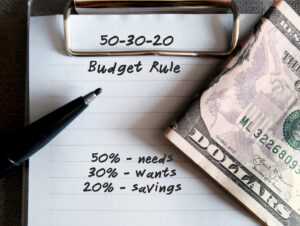
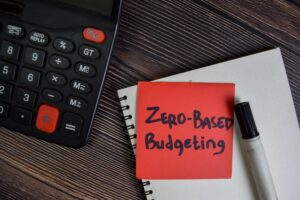
The 50/30/20 rule keeps things simple: 50% for needs, 30% for wants, and 20% for savings or debt. Some people prefer zero-based budgeting, where you give every dollar a job before the month starts.
Budgeting apps make this process way less painful. They sort your spending, send alerts, and show you where money slips away each month.
Key budgeting steps include:
- Tracking all income and expenses for at least one month
- Setting realistic limits for each category
- Using cash envelopes for tricky spending areas
- Checking progress weekly, not just at the end of the month
Reducing Unnecessary Expenses
Little charges add up. Subscriptions often keep billing you even after you forget about them.
Canceling unused gym memberships, streaming services, and apps can free up cash right away. It’s surprisingly satisfying to cut out what you don’t use.
Negotiating bills works, too. Companies often give better rates if you just ask, especially for insurance, phone plans, or internet. Mentioning a competitor’s price can help.
Food is another big one. Meal planning cuts down on impulse buys and wasted groceries. Cooking at home almost always costs less than eating out.
Generic brands can be just as good as name brands, and sometimes you won’t even notice the difference. Energy bills drop if you tweak habits—adjust the thermostat, unplug stuff, and swap in LED bulbs.
Increasing Your Income Streams
Sometimes, the fastest way to boost income is to ask for a raise. Gather your achievements and check what others in your field earn before you make your case.
Taking on new responsibilities or earning certifications can help justify that bump in pay. It’s not always easy, but it’s worth a shot.
Side hustles add extra cash without quitting your main job. Freelancing, driving for rideshare, or selling things online all bring in money on your schedule.
Passive income strategies help build wealth over time. Rental properties, dividend stocks, and digital products can keep earning for you after the initial effort.
Check out more passive income ideas here if you’re curious. They aren’t all easy, but some might fit your situation.
Investing in your education or skills pays off, too. Online courses, certifications, and networking can open doors to better jobs and higher salaries.
Learning in-demand skills makes you more valuable in the market. Sometimes, it’s the edge you need.
How Disposable Income Influences Lifestyle Choices

The money you have left after taxes shapes your daily choices, plain and simple. Higher disposable income means more options for housing, education, and fun, while less forces tough calls about what you can afford.
Spending on Essentials vs. Luxuries
Disposable income is the money households have for spending and saving after income taxes are taken out.
People with limited disposable income spend most or all of it on essentials like rent, food, utilities, and transportation. These are the bills that must be paid to maintain daily life.
When disposable income goes up, people get more freedom to buy non-essentials. This might mean dining at restaurants, streaming services, gym memberships, or vacations.
The shift happens gradually as basic needs take up less of the total budget.
People with very low incomes cannot afford to save anything at all. Every dollar goes toward survival needs.
Some even spend more than their income by using credit cards or loans to cover basic expenses like food and housing.
The balance between essentials and luxuries changes as income levels rise. A person earning $30,000 per year spends their money very differently than someone earning $80,000 per year, even after both pay their taxes.
Setting Financial Priorities
Financial priorities depend heavily on how much disposable income someone has each month. If your finances are tight, you have to focus on immediate needs like keeping the lights on and putting food on the table.
There’s just not much room for error or surprises when money’s stretched thin.
People with more disposable income can think beyond the next paycheck. They might set aside money for emergency funds, retirement, or college savings.
These long-term goals start to feel realistic instead of just out of reach.
Common financial priorities by income level:
- Low disposable income: Pay rent, buy groceries, cover utilities, make minimum debt payments
- Moderate disposable income: Build emergency savings, pay down debt faster, invest in retirement, afford occasional entertainment
- High disposable income: Max out retirement accounts, invest in real estate or stocks, fund children’s education, take regular vacations
Societal Impacts of Disposable Income Trends

Changes in disposable income shape how communities function. When people have more money left after paying taxes, they spend differently and influence broader economic patterns.
Effects on Economic Growth
Rising income inequality across populations directly affects how fast economies can grow.
When disposable income increases across all income levels, economic growth tends to accelerate because more people buy goods and services.
Higher disposable income creates a cycle of spending and production. Businesses see more demand and hire additional workers.
Those workers earn wages and spend money themselves. This pattern helps economies expand over time.
However, when disposable income concentrates among wealthy households, growth can slow down. Wealthy people tend to save more of their money rather than spend it right away.
Middle and lower-income families spend most of what they earn on daily needs. Broader income distribution often leads to stronger economic growth than concentrated wealth.
Key Economic Impacts:
- Job creation increases when consumer spending rises
- Business investment grows with higher demand
- Tax revenues expand as economic activity increases
- Innovation accelerates when companies compete for consumer dollars
Influences on Consumer Behavior
Disposable income determines spending on necessities and discretionary items, which shapes entire industries. People with limited disposable income focus on essential purchases like food, housing, and transportation.
Those with higher amounts can buy entertainment, travel, and luxury goods. Shopping patterns shift dramatically based on disposable income levels.
During periods of growth, restaurants see more customers and retailers report higher sales. When disposable income drops, people cut back on dining out and delay major purchases.
The timing of purchases also changes with income fluctuations. Families with stable disposable income plan bigger expenses like vacations or home improvements.
Those facing uncertainty hold onto cash and avoid big commitments. This behavior affects everything from housing markets to automobile sales.
Consumer Spending Patterns:
- Essential goods remain steady regardless of income changes
- Leisure and entertainment spending varies significantly
- Savings rates increase when people feel uncertain
- Credit use rises when disposable income falls short of needs
Case Studies: Real-World Approaches to Managing Disposable Income

Looking at how different people handle their money after taxes and bills provides clear lessons about financial choices.
Young workers face different challenges than families dealing with major life changes.
Young Professionals and Disposable Income
Young professionals typically earn between $40,000 and $70,000 annually in their first five years of work. After taxes and essential expenses, they often have 15-25% of their income left over for discretionary spending.
Many new workers split their disposable income into three categories: savings, lifestylespending, and debt repayment.
A common approach involves the 50/30/20 rule, where 50% covers needs, 30% goes to wants, and 20% funds savings.
Real-world applications of financial management show that young professionals who automate their savings see better results.
One 26-year-old software developer allocated $500 monthly from disposable income to an emergency fund and retirement account. Within three years, she built a $12,000 safety net while maintaining her social life.
Student loan payments consume a large portion of disposable income for many young workers. The average graduate dedicates $300-$500 monthly to loan repayment, leaving less for other goals.
Families Adjusting to Financial Changes
Families experience major shifts in disposable income during life transitions. Job changes, new children, or health issues force quick budget adjustments.
A family of four earning $85,000 annually saw their disposable income drop 40% when one parent reduced work hours for childcare.
They cut discretionary spending on dining out from $400 to $150 monthly and eliminated subscription services worth $80.
Understanding how disposable income drives economic decisions helps families make smart choices during tough times.
Another family increased their disposable income by 30% through side work and careful expense tracking.
Families often prioritize children’s needs, emergency savings, and home maintenance when allocating disposable funds.
Those who review spending patterns quarterly adjust faster to income changes. One couple used a simple spreadsheet to track where every dollar went, discovering they spent $200 monthly on unused gym memberships and convenience purchases.
Expert Advice and Resources for Managing Disposable Income
Financial advisors recommend specific approaches to handle money after taxes. Modern tools make tracking spending patterns much simpler than before.
Tips from Financial Advisors
Financial advisors stress the importance of knowing exactly how much money remains after taxes come out of each paycheck. They suggest creating a clear picture of monthly income minus tax obligations first.
Understanding and managing disposable income requires both knowledge and smart planning. Advisors recommend the 50/30/20 rule as a starting point.
This means 50% goes to needs, 30% to wants, and 20% to savings.
Professional guidance often includes reviewing all regular expenses. Advisors help people identify where money goes each month.
They look for subscriptions or services that no longer provide value. Many experts suggest building an emergency fund before focusing on other goals.
This fund should cover three to six months of basic expenses. It protects against unexpected job loss or major repairs.
Best Tools and Apps for Tracking Income
Digital tools have changed how people monitor their money after taxes. Apps like Mint, YNAB (You Need A Budget), and Personal Capital connect directly to bank accounts.
They show real-time spending patterns. These platforms categorize purchases automatically.
Users see exactly how much they spend on food, entertainment, or transportation. The data helps identify problem areas quickly.
Tools and apps for tracking income provide visual reports through charts and graphs. Some apps send alerts when spending exceeds set limits.
Others predict future account balances based on current habits. Spreadsheet templates offer a simpler option for those who prefer manual tracking.
Google Sheets and Excel have free budget templates. These work well for people who want complete control over their financial data without sharing bank information with third-party apps.
Next Steps
Understanding disposable income really gives people the power to make better money choices. It shows exactly what’s left to spend after taxes come out of your paycheck.
Start by subtracting all taxes from your gross income. That’s your real monthly number.
Once you know it, you can split your money into categories—savings, bills, and some fun spending.
Here’s a basic way to track where your disposable income goes:
- Fixed expenses (rent, car payments, insurance)
- Variable costs (groceries, gas, utilities)
- Discretionary spending (entertainment, dining out, hobbies)
- Savings and investments
Take a look at your disposable income every few months. Life changes—raises, job loss, taxes—they all shift the numbers. Regular check-ins help keep your plans working.
If you want more guidance, swing by Millennial Credit Advisers for expert help. They’ll tailor strategies to your situation, not just hand out generic advice.
Here are some next steps you can try right now:
- Find last month’s pay stub
- Write down your after-tax amount
- List every monthly expense you have
- Spot areas to cut back if you need to
- Set up automatic savings transfers—make it easy on yourself
Even small changes matter. Managing disposable income well today can make your financial life a lot less stressful tomorrow.
Take Control of Your Disposable Income Today
Taking control of disposable income really starts with one step: build a budget today. Don’t wait for next month or next year—just start.
Track these areas first:
- Monthly income after taxes
- Fixed expenses like rent and utilities
- Variable costs—think groceries and gas
- What you spend on entertainment or eating out
Making a budget means knowing what comes in and where it goes. Once you see your patterns, you can make smarter decisions for your future.
It gets easier with practice, honestly. Small tweaks in your daily habits can really add up. Saving even a little bit of your fun money each month builds momentum.
Try these three quick actions:
- Download a budgeting app or start a simple spreadsheet
- Look through your last three months of bank statements
- Pick one area to cut back this week
You don’t need to flip your life upside down to succeed financially. It’s about making choices and paying attention to how you use your disposable income. Anyone can improve their situation by taking charge of their spending.
Getting started might feel tough, but it gets less intimidating with each step. If you wait for the “perfect” moment to budget, you might never get there. Honestly, the best time to start is now, no matter where you’re at financially.
Frequently Asked Questions
Disposable income sounds simple, but it can get confusing in real life. Why does it matter for your stability? Here are some questions I hear all the time from adults of every age.
What is disposable income and how does it impact financial planning?
Disposable income is what’s left after you pay all required taxes—federal, state, Social Security, Medicare, you name it. That’s the money you can actually spend or save.
Financial planning really starts here. You need to know your disposable income to figure out what you can put toward rent, food, bills, and savings goals.
When you track disposable income, you can build a budget that actually works. You’ll know what you have each month and avoid overspending. Over time, that’s how you build up emergency funds.
How can individuals increase their disposable income for better money management?
Try asking for a raise or searching for a higher-paying job. Side gigs and freelance work also bring in extra cash after taxes.
Using tax deductions and credits lowers what you owe. If you contribute to a 401k or HSA, you reduce your taxable income, so more stays in your pocket.
Refinancing loans at a lower rate frees up money each month. Paying off high-interest debt stops you from bleeding cash to interest charges.
What are the key factors that influence an individual’s disposable income?
Income level tops the list—higher wages mean more left after taxes. Tax brackets matter too; folks in higher brackets pay a bigger slice.
Having dependents impacts disposable income through credits and deductions. Families with kids often get credits that boost their take-home pay.
Location is huge. Some states, like Texas, don’t tax income at all, while California can take up to 13%. Housing costs and the local cost of living also affect how far your disposable income stretches.
What advantages does having a higher disposable income provide?
Higher disposable income gives you more options—better housing, healthier food, and quality healthcare without sweating every bill.
It’s easier to build up an emergency fund or save for retirement. You’ve got room in your budget for those “uh-oh” moments like car trouble or medical bills.
Life just feels less stressful when money isn’t tight. You can travel, pursue hobbies, or help out family. Heck, you might even donate to causes you care about.
What are some potential drawbacks of relying solely on disposable income for financial well-being?
Disposable income doesn’t tell the whole story. Two people might have the same disposable income but wildly different expenses or debt. One owns a home, the other pays sky-high rent.
If you focus only on disposable income, it’s easy to overspend. Just because you have money left doesn’t mean you should spend it all. Saving for long-term goals and emergencies is still key.
Things change—tax laws, jobs, health. A sudden shift can shrink your disposable income fast. Building true wealth means looking at assets, debt, and your net worth, not just what’s left after taxes each month.
How has the concept of disposable income evolved to become relevant for all age groups in 2026?
Disposable income matters now, even for teenagers getting their first paychecks. Young workers quickly realize gross pay isn’t what actually lands in their accounts.
They see those taxes and deductions and start to understand what they can really spend. It’s a bit of a shock, honestly.
Middle-aged adults keep a closer eye on disposable income as their responsibilities stack up. Mortgage payments, childcare, and saving for retirement can feel like a juggling act.
Many people turn to tools that create SEO-optimized content to research financial strategies. It’s not always easy to know where to start, so having resources helps.
Retirees rely on disposable income from Social Security, pensions, and retirement accounts. They’re not earning paychecks anymore, so every dollar counts a little more.
Healthcare costs eat up more of their budgets than younger folks usually expect. Stretching money over an uncertain future isn’t simple.
The gig economy has made disposable income feel more complicated for everyone. Freelancers and contract workers have to set aside their own tax money, which can be a headache.
They estimate quarterly tax payments and track income that changes month to month. It’s not as straightforward as a steady paycheck, that’s for sure.
Disclaimer: Millennial Credit Advisers is not a licensed credit service provider or financial advisor. We don’t offer credit repair, debt management, or legal services. Educate yourself on saving, reducing debt, and managing credit for economic improvement. Understand credit reports, scores, and financial products. Consult a financial advisor for personalized advice. Track your progress for a better credit journey.
Written content: Please view our full AI Use Disclosure.
We improve our products and advertising by using Microsoft Clarity to see how you use our website. By using our site, you agree that we and Microsoft can collect and use this data. Our privacy policy has more details.