Discover credit score ranges, factors that affect your score, and tips to improve your financial health. Find Out More In Our Latest Article.
THIS ARTICLE MAY CONTAIN AFFILIATE LINKS, MEANING I GET A COMMISSION IF YOU DECIDE TO MAKE A PURCHASE THROUGH MY LINKS AT NO COST TO YOU. PLEASE READ MY AFFILIATE DISCLOSURE FOR MORE INFO.
DON’T HAVE TIME TO READ THE FULL ARTICLE. HERE’S WHAT YOU ARE MISSING.
- Discover credit score ranges, factors that affect your score, and tips to improve your financial health. Find Out More In Our Latest Article.
- What Is a Credit Score?
- How Does a Credit Score Work?
- Factors That Affect Your Credit Score
- The Credit Score Range Explained
- Why Credit Scores Matter
- Advantages of Knowing Your Credit Score
- Disadvantages and Limitations of Credit Scoring
- How to Check and Monitor Your Credit Score
- Tips to Improve Your Credit Score
Your financial future truly depends on a three-digit number. It influences everything from obtaining a credit card to securing a mortgage.
A credit score is a number between 300 and 850 that shows lenders how likely you are to pay back borrowed money on time.
This score is like a financial report card. Banks, credit card companies, and other lenders use it to decide if they’ll approve you and what rates you’ll get.

Understanding how credit scores work could save you thousands over your lifetime. Better loan terms and lower interest rates are up for grabs if you play your cards right.
The credit score calculation process looks at payment history, credit usage, length of credit history, types of accounts, and new credit.
Most people have more than one credit score. Different companies use different scoring methods and data sources, so things can vary.
Credit scores matter for more than just borrowing. Companies use credit scores to decide on things like cell phone plans, insurance, apartment rentals, and sometimes jobs.
Learning the basics of credit scoring helps you make smarter financial decisions. You can take steps to boost your score over time.
Key Giveaways
- Credit scores range from 300 to 850 and help lenders decide risk and loan terms.
- Payment history and credit utilization have the biggest impact on your score.
- Higher credit scores mean better odds for loan approval and lower interest rates.
What Is a Credit Score?
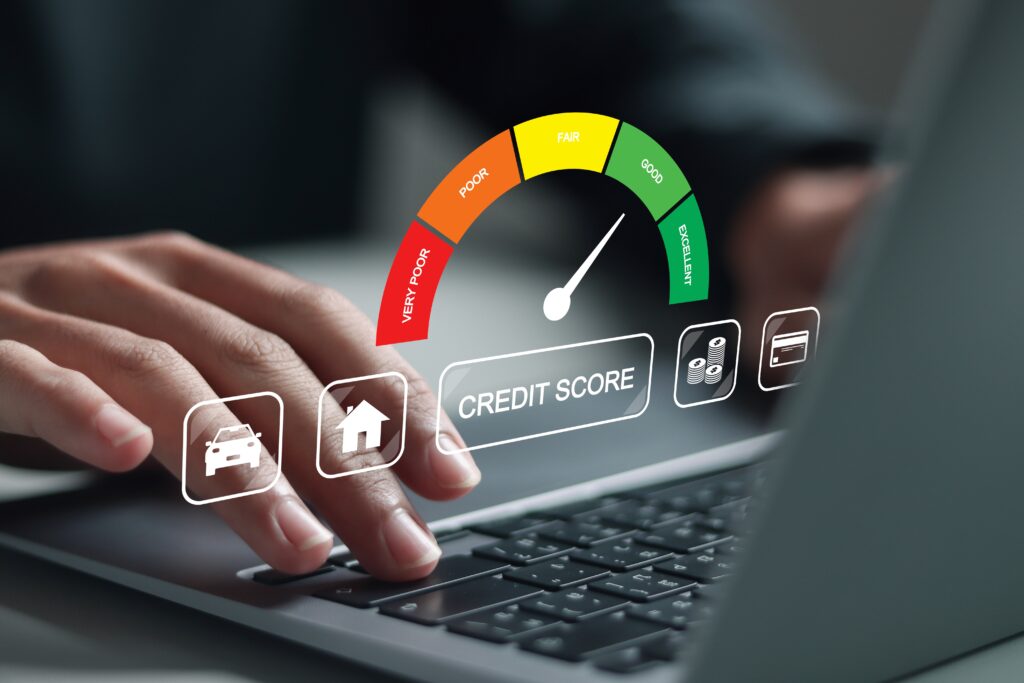
A credit score is a snapshot of your ability to repay borrowed money. It sits somewhere between 300 and 850.
Lenders use these numbers to quickly judge risk when you apply for loans or credit cards.
Definition and Purpose
A credit score is a three-digit number that rates a consumer’s creditworthiness. Banks and lenders use it to decide if they’ll approve your application.
The score is a quick way for them to size you up. Higher scores mean you’re less risky. Lower scores? More risk.
Most credit scores run from 300 to 850. 300 is the lowest possible. 850 means you’re basically a credit superstar.
Credit scores aren’t just for lenders. Landlords check them before renting. Insurance companies may use them to set your rates. Some employers peek at scores for certain jobs.
Brief History of Credit Scoring
Credit scoring kicked off in the 1950s. Mathematician Earl Isaac and engineer Bill Fair built the first real system for it.
Before that, lenders mostly relied on gut feeling and limited info. Not exactly scientific.
The Fair Isaac Corporation (now FICO) rolled out the first major scoring model in 1956. This shifted things from guesswork to math.
FICO became the go-to scoring company by the 1980s. Banks and lenders jumped on board.
In the 1990s, the credit reporting world exploded. Experian, Equifax, and TransUnion started collecting more data and updating it more often.
Types of Credit Scores
FICO Scores still lead the pack in the U.S. FICO has different versions for different needs.
- FICO Score 8: Most common.
- FICO Score 9: Treats medical debt differently.
- FICO Auto Score: For car loans.
- FICO Bankcard Score: For credit cards.
VantageScore is FICO’s main rival. Built by the three bureaus, it uses a similar range but crunches the numbers differently.
You can have several credit scores because lenders use different models and bureaus have different info.
Industry-Specific Scores focus on certain loans. Auto lenders use special auto scores. Mortgage lenders have their own models. Each one highlights what matters most for that type of loan.
How Does a Credit Score Work?

Credit scores come from complex algorithms that look at your financial data and try to predict risk.
Major companies like FICO and VantageScore keep their formulas secret, but the basics are the same. The three main credit bureaus collect and report your financial info.
The Credit Scoring Process
The credit scoring process kicks off when you apply for credit or make payments. Lenders send account activity to credit bureaus every month. This covers payment history, account balances, and credit limits.
Credit bureaus pull all this together into credit reports. The reports show your current accounts, payment patterns, and any public records.
Scoring models take a look at the credit report data and weigh the factors they think matter most. Payment history usually gets the biggest chunk—about 35% of your score.
They calculate and update your score regularly, most often every month as new data comes in. Depending on when a lender checks, your score might look a bit different.
Key Algorithms Used in Scoring
FICO and VantageScore are the major credit scoring algorithms lenders lean on. FICO has been around since 1989 and is basically the old guard. VantageScore came later, built by the three main credit bureaus teaming up.
Both use similar ingredients but mix them a little differently:
- Payment History: 35% (FICO) vs 40% (VantageScore)
- Credit Utilization: 30% vs 20%
- Length of Credit History: 15% vs 20%
- Credit Mix: 10% vs 10%
- New Credit: 10% vs 10%
FICO scores run from 300 to 850. VantageScore 3.0 and 4.0 use the same range, though earlier versions played with different numbers.
Both algorithms get updates from time to time. FICO Score 10 and VantageScore 4.0 are the latest. These changes aim to help lenders keep up with how people borrow and repay money.
Major Credit Reporting Agencies
Three big credit bureaus collect and keep track of consumer credit info. Experian, Equifax, and TransUnion each do their own thing, so your file might look a little different with each one.
Experian is the biggest, covering more than 235 million U.S. consumers and operating in over 100 countries. They also offer credit monitoring and identity protection.
Equifax leans into data analytics and fraud prevention. With files on more than 800 million people worldwide, they focus a lot on mortgage and auto lending.
TransUnion works in more than 65 countries and tracks credit for nearly every U.S. adult. They offer consumer credit monitoring directly, too.
Lenders don’t always report to all three bureaus. Sometimes just one or two get the update, which explains why your scores can differ depending on where you look.
Factors That Affect Your Credit Score
Five main factors determine your credit score: payment history, credit utilization, length of credit history, and the types of credit accounts you have. Each one gets its own weight in the final calculation.
Payment History
Payment history is the top dog in credit score calculations, making up about 35% of your score. Credit bureaus track if you make your minimum payments on time each month.
When you’re late by 30 days or more, they report it to the agencies, and your score can take a real hit.
Types of payment info tracked:
- Credit card payments
- Mortgage payments
- Auto loan payments
- Student loan payments
- Personal loan payments
Even one late payment can knock your score down by 60 to 110 points. How much it hurts depends on where your score started and your overall history.
Recent late payments sting more than older ones. The last two years of payment history matter the most.
Missed payments hang around on your credit report for seven years. But if you keep up good payment habits, the negative effect fades with time.
Credit Utilization
Credit utilization looks at how much of your available credit you’re actually using. It counts for 30% of most credit score formulas.
Your utilization ratio can drag down your score if it gets too high. Most experts say to keep it below 30% if you can swing it.
Credit utilization gets figured two ways:
- Overall utilization: Total balances divided by total credit limits
- Per-card utilization: Balance on each card divided by that card’s limit
Lower ratios usually mean better scores. People with top-notch credit often keep utilization under 10%.
Credit scoring models look at your statement balances—not what you owe on the due date. So, the number reported when your statement closes is what matters.
If you pay down your balance before the statement closes, you can help your utilization ratio.
Some folks make a couple payments a month just to keep those reported balances low.
Length of Credit History
Length of credit history makes up 15% of your score. It’s about how long you’ve used credit accounts.
Scoring models look at three things: the age of your oldest account, the average age of all your accounts, and how long it’s been since you opened something new.
Key time measurements:
- Age of oldest credit account
- Average age of all accounts
- Time since most recent account opening
Longer histories tend to boost your score. Folks with decades of credit use have a leg up over newbies.
If you close old cards, you might shrink your average account age and hurt this factor. Keeping older accounts open—even if you rarely use them—helps keep your credit history long.
New to credit?
Becoming an authorized user on a family member’s established card can help. Sometimes their history gets added to your report.
Types of Credit Accounts
Credit mix only makes up about 10% of your score, but it still counts. This looks at the variety of credit accounts you manage.
Common credit account types:
- Revolving credit: Credit cards, lines of credit
- Installment loans: Mortgages, car loans, student loans
- Retail accounts: Store credit cards, financing plans
Having a mix shows lenders you can handle different payment setups. If you only have credit cards, your mix is less diverse than if you’ve got cards and loans.
But don’t go opening new accounts just to improve your credit mix. The impact is pretty minor compared to payment history or utilization.
What matters most is how well you manage the accounts you already have. Someone with two cards and a spotless history can outscore someone juggling lots of account types but missing payments.
The Credit Score Range Explained
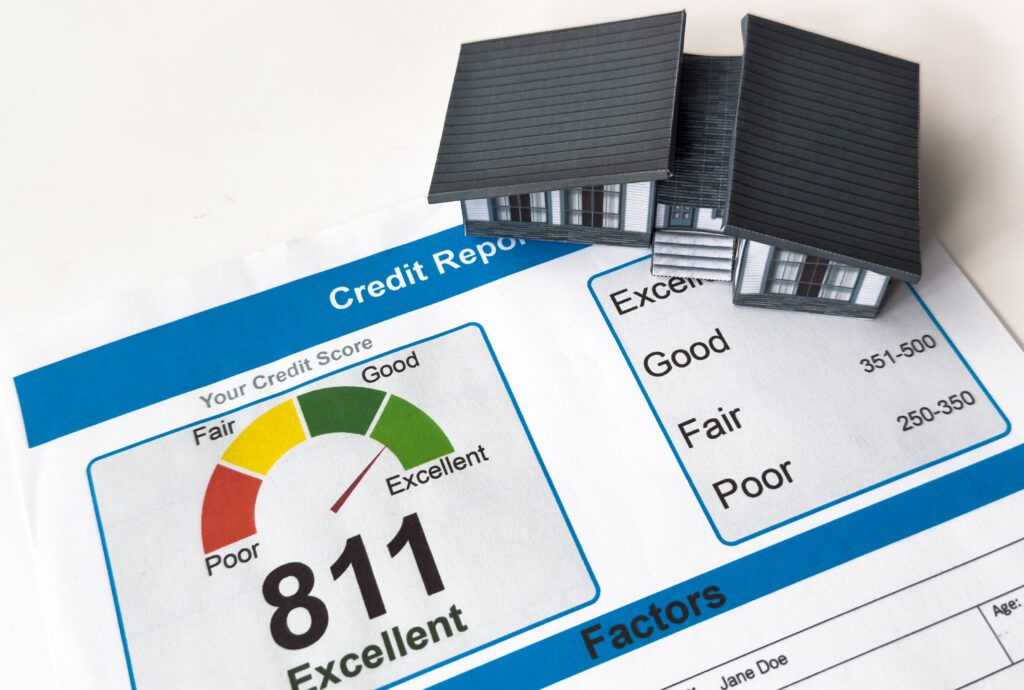
Most credit scores land between 300 and 850. Where you fall in that range says a lot about your credit health. Higher scores open more doors and better deals.
Understanding Score Brackets
Credit scoring companies use ranges from 300 to 850 for both FICO and VantageScore. Pretty much everyone’s working off that scale these days.
Poor Credit: 300-579
- High risk to lenders
- Often caused by missed payments or defaults
- Makes loan approval tough
Fair Credit: 580-669
- Shows some bumps in your credit journey
- Might get you basic credit products
- Expect higher interest rates
Good Credit: 670-739
- Scores in the high 600s mean you’re in good territory
- Qualifies you for most loans
- Usually gets you decent rates
Very Good Credit: 740-799
- Shows strong credit management
- Gets you access to competitive rates
- Consistent payment history helps here
Excellent Credit: 800-850
- Top of the heap
- Best terms available
- Lenders see very little risk
What Is Considered a Good Credit Score?
A good credit score usually starts around 670. High 600s is the start of “good”, but honestly, every lender has their own cutoffs.
Industry Standards Most lenders use these ballparks:
| Score Range | Credit Rating | Approval Likelihood |
| 670-739 | Good | High |
| 740-799 | Very Good | Very High |
| 800-850 | Excellent | Highest |
Lender Variations Some banks want a 720 for their best cards, while others will take a 650 for a basic loan. It really depends on what you’re after.
Product-Specific Requirements Mortgages often need a 620 at minimum. Auto loans sometimes go as low as 500. Credit card requirements are all over the map.
Impact of Each Range
Each credit score range shapes your borrowing terms and financial options. Higher scores make it easier to qualify for loans with lower interest rates.
Interest Rate Differences
- Excellent (800+): Access to promotional 0% APR offers
- Very Good (740-799): Competitive rates below market average
- Good (670-739): Standard market rates
- Fair (580-669): Above-average rates with higher fees
- Poor (300-579): Very high rates or loan denial
Loan Approval Chances
Poor credit scores often mean rejections. Fair credit gets you conditional approvals, usually with strict terms.
Good credit qualifies you for most products with reasonable conditions.
Additional Benefits
Excellent scores unlock premium rewards credit cards. You might also get leverage for negotiating rates.
Some employers check credit scores for financial positions.
Deposit Requirements
Lower scores often lead to security deposits. Utility companies may want upfront payments.
Cell phone providers sometimes require larger deposits if your credit is poor.
Why Credit Scores Matter
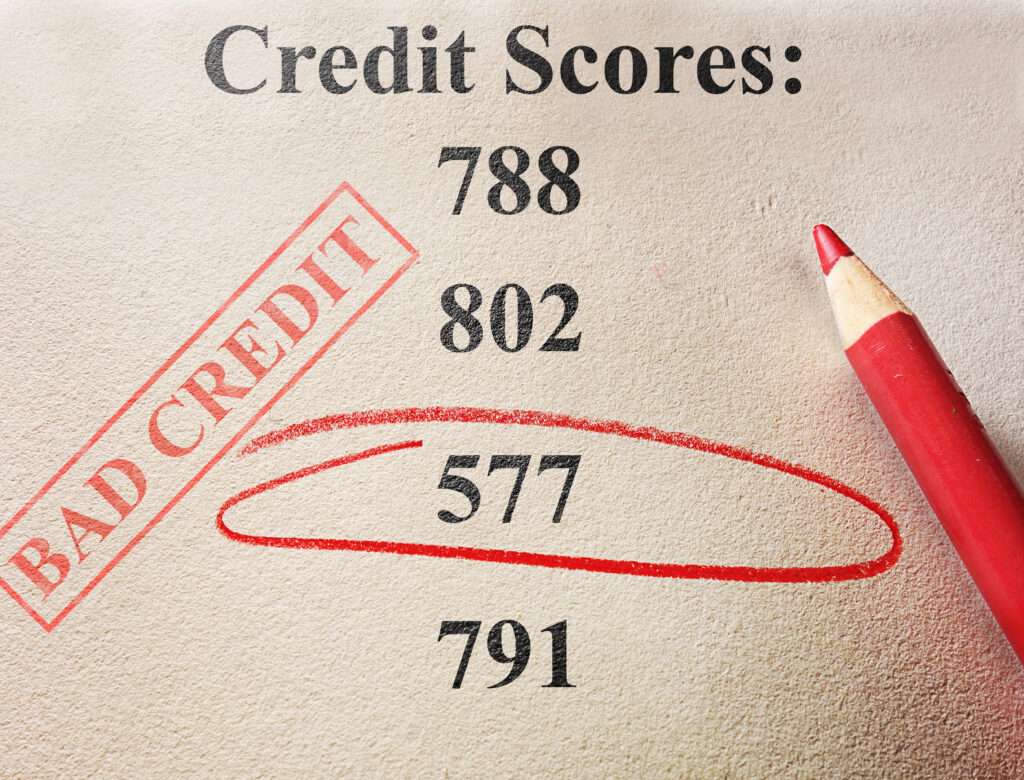
Credit scores affect your ability to borrow money and the cost of borrowing. They also influence your housing choices and sometimes even job options.
Influence on Loan Approval
Banks and lenders rely on credit scores to decide if they’ll approve your loan application. A good credit score improves your odds of getting approved for mortgages, auto loans, and personal loans.
Most lenders set minimum score requirements. Credit cards usually require scores of 600 or higher.
Conventional mortgages often need at least a 620 score. Premium rewards cards may want 700 or more.
Borrowers with poor credit face rejections often. If your score is below 580, qualifying for traditional loans gets extremely tough.
You may have to use secured credit cards or subprime lenders with stricter terms.
Common approval thresholds:
- Excellent credit (750+): Approved for most products
- Good credit (700-749): Strong approval odds
- Fair credit (650-699): Limited options available
- Poor credit (below 650): High rejection rates
Effect on Interest Rates
Credit scores determine borrowing rates across mortgages, personal loans, and auto loans. Higher scores mean lower interest rates, which can save you thousands over the years.
If you have a 760 credit score, you might get a 6.5% mortgage rate. Someone with a 620 score could pay 8.2% for the same loan.
On a $300,000 mortgage, that’s about $350 more per month. Auto loan rates show similar patterns—excellent credit pays around 5% interest, while fair credit can mean 10% or higher.
Credit card rates might vary by 15 percentage points depending on your score.
Rate differences by score range:
- 750+: Best available rates
- 700-749: Near-prime rates
- 650-699: Higher rates but competitive
- Below 650: Significantly higher costs
Role in Renting and Employment
Landlords check credit scores before approving rental applications. They want tenants who pay bills on time and manage money responsibly.
Poor credit scores often mean rental rejections or higher security deposits. Many landlords want credit scores of 650 or higher.
If your score is lower, you might need a cosigner or have to pay extra deposits—sometimes two or three months’ rent. Certain employers review credit reports during hiring, especially in finance, government, or retail.
They believe credit history shows responsibility and trustworthiness. But employers can’t see your actual score—just your report with payment history and debt levels.
Poor credit rarely disqualifies you unless the job involves handling money or sensitive data.
Industries that check credit:
- Banking and finance
- Government positions requiring security clearances
- Retail management roles
- Insurance companies
Advantages of Knowing Your Credit Score
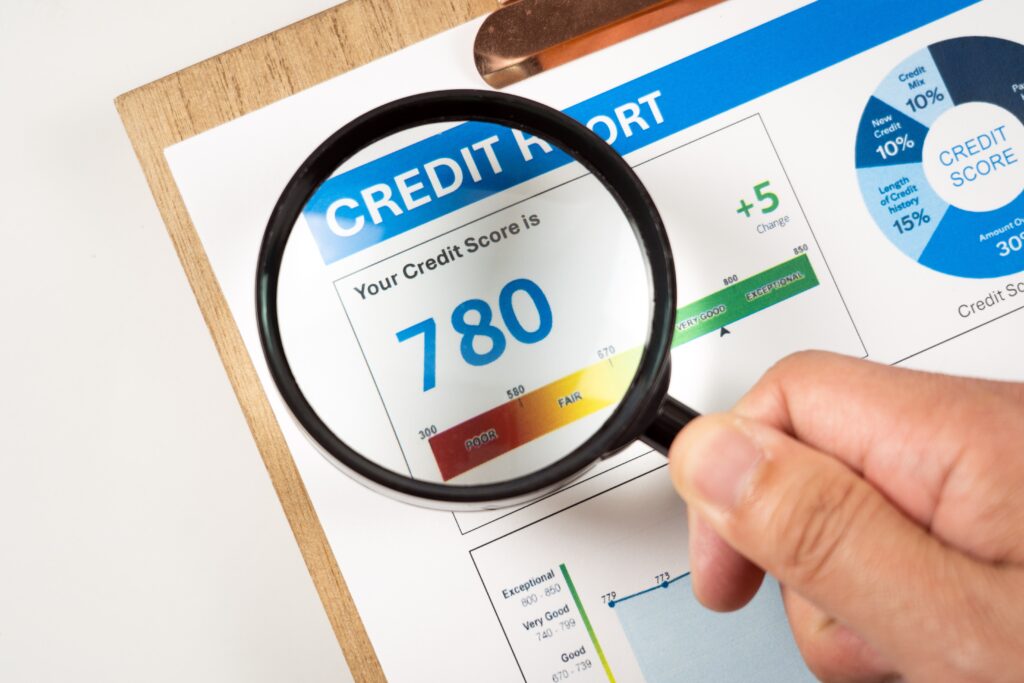
Monitoring your credit score brings clear financial benefits and protection from potential threats. Knowing your score helps you plan big purchases and secure better loan terms.
Financial Planning Benefits
Knowing your credit score helps you make smarter money decisions. You can plan when to apply for loans or credit cards based on your current score.
A higher score means you qualify for lower interest rates, saving thousands on mortgages and car loans over time.
Monthly Payment Comparisons:
| Credit Score Range | 30-Year Mortgage Rate | Monthly Payment (on $300K) |
| 760-850 | 6.5% | $1,896 |
| 620-659 | 7.8% | $2,161 |
You can also time major purchases better. If your score is low, you know to wait and improve it before applying for credit.
Tracking your score lets you see progress over time. That can be motivating and keep you on track financially.
Access to Better Credit Offers
Credit card companies and lenders save their best deals for people with good scores. Having a good credit score opens doors to premium rewards cards and low-rate loans.
Banks send pre-approved offers based on your score. Higher scores get invitations to cards with better perks.
Benefits of knowing your score:
- Compare offers that match your credit level
- Avoid applying for cards you won’t qualify for
- Negotiate better terms with current lenders
- Access exclusive financial products
Plenty of people apply for credit they can’t get, which wastes time and actually hurts their score with hard inquiries.
When you know your score, you can focus on realistic options. That boosts your approval chances and saves you money.
Fraud Protection
Regular credit monitoring helps you catch identity theft early. Sudden drops in your score can signal fraudulent activity.
New accounts opened without your knowledge show up quickly as score changes. That alerts you to check for suspicious activity.
Warning signs to watch for:
- Unexpected score decreases
- New accounts you didn’t open
- Higher credit utilization than expected
- Payment history changes
Your credit history can influence so many areas of your financial life. Keeping an eye on it helps prevent long-term damage.
Most credit monitoring services send alerts within 24 hours of changes. That gives you time to contact lenders and credit bureaus quickly.
Early detection limits the damage from fraud. It’s just so much easier to fix problems right away than months later.
Disadvantages and Limitations of Credit Scoring

Credit scores help lenders make quick decisions, but they come with some serious problems. These systems can make mistakes, treat people unfairly, and sometimes invade personal privacy in ways that hurt consumers.
Potential for Errors and Disputes
Credit reports often contain mistakes that can mess up your financial future. One in five consumers finds at least one error on their credit report.
Common errors include:
- Wrong personal information like names or addresses
- Accounts that don’t belong to the consumer
- Incorrect payment histories showing late payments that were made on time
- Closed accounts still showing as open
- Identity theft creating fraudulent accounts
Fixing these mistakes takes time and effort. You have to contact credit bureaus and provide proof of errors.
The dispute process can drag on for 30 to 45 days or more. Some errors never get fixed properly, even after an investigation.
Credit bureaus might leave the wrong info on file, forcing you to dispute the same thing over and over. Credit scoring affects rates and terms of loans, so even small mistakes can cost you thousands in higher interest rates.
Inequality in Credit Scoring Models
Traditional credit scoring creates unfair barriers for certain groups. Credit scoring models lack context and can reinforce existing biases.
Young adults struggle to build credit because they have no credit history. They can’t get loans without credit, but can’t build credit without loans. It’s a frustrating loop.
Immigrants face similar problems. They might have good financial habits in their home countries but start from zero in America.
Divorced individuals often see scores drop even when they handle money well. Joint accounts and shared debts can drag down their credit for years.
Lower-income families get hit harder for the same mistakes. A $500 emergency might force them to miss payments, while wealthier folks can cover unexpected costs easily.
Traditional credit scoring models overlook those without extensive credit histories, creating a system that favors people who already have advantages.
Privacy Concerns
Credit scoring companies scoop up huge amounts of personal data, often without any real limits. They track what you buy, how you pay, and who you do business with.
Data collection includes:
- Bank account details
- Employment history
- Your shopping patterns
- Location info from your phone
- Social media activity
These companies share your information with hundreds of other businesses. Most people have almost no say in who sees their data or how it gets used.
Data breaches can put millions at risk. The Equifax hack in 2017 exposed sensitive info for 147 million Americans, which criminals then used for identity theft and fraud.
Credit agencies make money by selling your data to marketers and other companies. People never see a dime for it, but the companies sure do.
Honestly, most consumers have no idea what’s being collected about them. The credit industry stays pretty quiet about where they get their data and how they use it.
How to Check and Monitor Your Credit Score
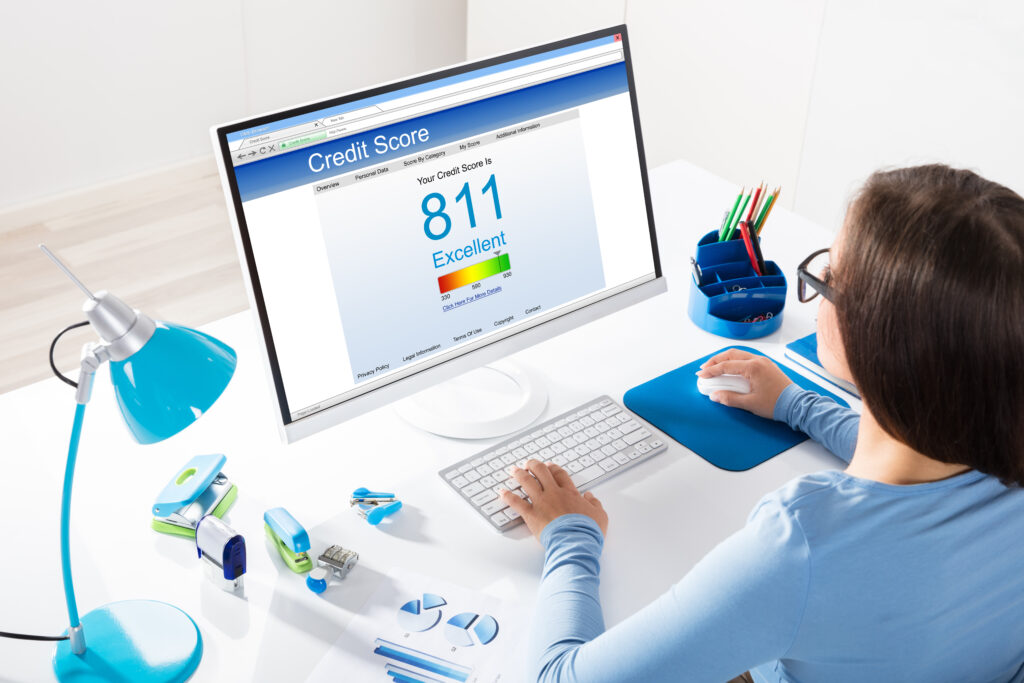
If you check your credit score regularly, you can catch problems early and keep tabs on your financial health. Free services, bank websites, and credit monitoring tools all let you track your score over time.
Best Practices for Regular Checks
Most experts say you should check your credit score at least once a month. That way you’ll spot any sudden changes or signs of fraud quickly.
Banks and credit card companies often give customers free credit score access. You can also get your full credit report free once a year from each of the three major bureaus at AnnualCreditReport.com.
Monthly monitoring schedule:
- Check your score through your bank or card app
- Look over recent account activity for anything odd
- Watch for changes in your credit utilization
- Keep an eye out for new accounts or inquiries you didn’t authorize
Set calendar reminders or phone alerts to check your score on the same day each month. After a while it just becomes a habit.
Top Tools and Services
There are some solid platforms out there for free credit score monitoring, complete with alerts and handy features.
Free monitoring services include:
- Credit Karma – Gives you TransUnion and Equifax scores, updated weekly
- Experian – Offers free FICO scores and credit reports every month
- Wells Fargo Credit Close-Up – Monthly FICO scores and reports for customers
- Chase Credit Journey – Open to everyone, not just customers
Many of these services send alerts by email or text if your score changes a lot. They’ll also give you tips tailored to your situation.
If you want more detail, premium services like FICO Score or MyFICO track all three bureaus and dig deeper, but they’ll run you $15-30 per month.
Correcting Mistakes on Your Report
Credit report errors are surprisingly common and can drag your score down for no good reason.
Common errors to watch for:
- Accounts that aren’t yours
- Wrong payment history or late payments that you actually made on time
- Incorrect balances or credit limits
- Old negative info that should’ve dropped off
- Personal info mistakes, like wrong addresses or names
If you spot a mistake, reach out to the credit bureau online or by mail. Send proof, like bank statements or payment receipts, to back up your claim.
The bureau has 30 days to look into your dispute. If you’re right, they have to fix or remove the bad info.
It’s also a good idea to contact the company that reported the mistake. Sometimes that gets things sorted out faster.
Tips to Improve Your Credit Score

Boosting your credit score isn’t rocket science, but it does take steady habits and smart debt management. The best moves focus on payment history, credit utilization, and long-term planning.
Developing Healthy Credit Habits
Payment history is 35% of your score, so paying bills on time is honestly the biggest thing you can do.
Set up automatic payments for at least the minimum due. Even one late payment can drop your score by 60 to 110 points—it’s not worth the risk.
Key payment strategies include:
- Pay every bill by its due date
- Set reminders five days before payments are due
- Use autopay to avoid missing payments
- Pay more than the minimum when you can
Check your credit report regularly at annualcreditreport.com. You can get a free copy from each bureau once a year.
Look for mistakes—wrong info, accounts you never opened, or payment errors. Dispute problems as soon as you spot them.
Reduce Debt
Credit utilization makes up 30% of your score. It’s just how much credit you’re using compared to your limits.
Try to keep your utilization below 30% on each card, and under 10% if you want the best scores.
Debt reduction methods:
- Pay down balances before you make new purchases
- Make more than one payment a month to keep balances low
- Ask for higher credit limits on your cards
- Pay off the cards with the highest utilization first
The debt avalanche method works well—pay minimums on everything, but throw extra money at the card with the highest interest. It saves you money and helps your score.
Using Credit Responsibly
Don’t close old credit cards after you pay them off. That just lowers your available credit and can hurt your utilization ratio.
How long you’ve had credit matters too—it’s 15% of your score. Older accounts show lenders you’ve handled credit for a while.
Responsible credit practices:
- Use old cards for small things to keep them active
- Pay off the full statement balance each month to skip the interest
- Don’t open a bunch of new accounts at once
- Mix it up: have a few different types of credit, like cards and loans
Only apply for new credit if you really need it. Each application is a hard inquiry and can ding your score a bit. Too many at once? Lenders might get nervous.
Common Myths About Credit Scores
Lots of folks believe wrong things about credit scores, and these myths can mess up your finances. Bad info leads to bad decisions about credit accounts and reports.
Misconceptions About Credit Inquiries
One of the biggest myths? That checking your own credit score hurts it. That idea stops people from keeping an eye on their credit.
Soft inquiries happen when you check your own score with an app or website. They don’t affect your score at all. You can check as often as you want—no penalty.
Hard inquiries are when a lender checks your credit for a loan or card application. These can lower your score by a few points, but it’s only temporary. And if you’re shopping for the same kind of loan, multiple checks within 14-45 days usually count as one.
People often skip checking their credit because they’re scared it’ll hurt their score. This myth keeps folks from catching errors or identity theft early.
Credit monitoring services and annual reports from legit sources never hurt your score. Experts say to check your report at least once a year.
Myths Around Closing Accounts
Another common myth: closing old credit cards will boost your score. Actually, closing cards can backfire.
When you close a card, your total available credit drops. That pushes your utilization ratio higher, which usually lowers your score. For example, if you owe $2,000 on cards with $10,000 in limits, your utilization is 20%.
Close a card with a $5,000 limit, and suddenly your utilization jumps to 40%. That’s a hit to your score.
Length of credit history matters too. Old accounts help show you’re experienced with credit. Closing your oldest card can shorten your average account age.
Sometimes closing a card makes sense—if it has a high annual fee or tempts you to overspend. Experts suggest weighing the pros and cons before closing any card.
False Beliefs About Joint Accounts
Plenty of people think joint accounts combine credit scores or that one person’s bad credit hurts their spouse’s score. That’s not really how it works.
Separate credit profiles exist for each person, even if you’re married. Your spouse’s score stays independent unless you both open a joint account or one cosigns for the other.
Joint accounts show up on both credit reports. Both people are on the hook for payments and debt. Late payments or big balances on joint accounts can hurt both scores.
Authorized users are a little different. Adding someone as an authorized user usually helps their score, since they benefit from the main cardholder’s payment history. But the authorized user generally isn’t legally responsible for the debt.
Some folks think closing a joint account wipes it from both reports right away. Not true. The history often sticks around for years, and positive payment history can help both people even after closing.
Divorce doesn’t automatically separate joint debts. Both parties stay responsible until the debts are paid off or refinanced into individual names.
The Future of Credit Scoring Systems
Machine learning and artificial intelligence are shaking up how lenders figure out who gets approved for loans. AI credit scoring systems dig into way more data than old-school methods ever could.
Now, these systems check things like social media activity, phone bills, and even your shopping habits. That means folks with thin credit files finally have a shot at loans they’d never qualify for before.
Real-time scoring is on the rise. Instead of waiting days, lenders can make decisions in just minutes.
| Traditional Scoring | AI-Powered Scoring |
| Uses basic credit history | Analyzes hundreds of data points |
| Takes days to process | Provides instant decisions |
| Limited data sources | Uses alternative data |
| Static assessment | Dynamic, real-time updates |
Machine learning algorithms keep getting better at spotting who’s likely to pay back loans. They learn from fresh data all the time.
Alternative data is opening more doors for people who need credit. This includes:
- Rent payment history
- Utility bill payments
- Banking transaction patterns
- Education and employment data
Banks want to use these tools to make fairer and more accurate decisions. The future of credit scoring looks way more inclusive for folks without a traditional credit history.
Lenders can react faster when the economy shifts. These systems adjust quickly if markets change or new risks pop up.
Key Giveaways
A credit score is a three-digit number that shows how you handle money. It runs from 300 to 850.
Payment history makes up 35% of your score. That’s the biggest piece of the puzzle.
Credit usage accounts for 30% of your score. Try to keep balances under 30% of your credit limits.
| Score Range | Credit Rating | What It Means |
| 800-850 | Excellent | Best rates available |
| 740-799 | Very Good | Great loan terms |
| 670-739 | Good | Most loans approved |
| 580-669 | Fair | Higher interest rates |
| 300-579 | Poor | Hard to get credit |
Length of credit history counts for 15%. Older accounts help your score more than new ones.
Types of credit make up 10%. A mix of cards and loans helps a bit.
New credit inquiries equal 5%. Too many applications in a short time can ding your score.
Lenders use credit scores to decide if they’ll loan you money. Higher scores mean better rates on loans and cards.
Your score affects more than just loans. Landlords, employers, and insurance companies might check it too.
Free credit reports are available once per year from each major credit bureau. It’s smart to check them for errors.
Building good credit isn’t instant. Pay bills on time and keep balances low if you want your score to climb.
Steps you can take now:
Your credit score touches almost every major financial decision. If you want to take control, there’s no better time than now.
Ready to improve your financial future? Check your credit report for free at annualcreditreport.com. Look for any mistakes dragging your score down.
Start building better credit habits now:
- Pay all bills on time, every time
- Keep credit card balances low
- Don’t close old credit accounts
- Only apply for credit when needed
Track your progress by watching your score each month. Many credit cards offer free score tracking these days.
Need help with credit repair? Maybe talk to a financial advisor. They can help you figure out a plan that fits your situation.
Take these steps this week:
- Check your credit report for mistakes
- Set up automatic payments for all bills
- Calculate your credit utilization on each card
- Create a debt payoff plan if you carry balances
Your credit score won’t change overnight. But those small, steady actions do add up over time.
Don’t wait until you desperately need good credit. Whether you’re dreaming of a house, a car, or just better rates, building credit takes time.
Start today. Your future self will thank you for it.
Frequently Asked Questions
People ask a lot about credit scores—how they’re calculated, how to improve them, and what they actually affect. These questions come up all the time and honestly, they matter if you want to make smarter decisions about your credit.
How can one effectively raise their credit score?
Payment history makes up 35% of most credit scores. Pay every bill on time, every month—no exceptions.
Credit utilization matters a lot. Try to keep your balances below 30% of your available credit.
Paying down debt is probably the fastest way to see your score go up. Lower balances mean better utilization ratios across all your accounts.
You can ask for credit limit increases on your cards. If your limit goes up and your balance doesn’t, your utilization improves automatically.
Becoming an authorized user on someone else’s card can help. If they’ve got good payment history, it might give your score a boost.
What factors influence the calculation of a credit score?
Payment history is the biggest chunk at 35%. Late or missed payments—and defaults—really hurt here.
Amounts owed cover 30%. This is total debt and how much of your credit you’re using.
Length of credit history is 15%. Older accounts and a longer average account age help.
Credit mix makes up 10%. Having a mix—credit cards, loans, maybe a mortgage—can help a bit.
New credit inquiries are the last 10%. Too many applications at once can knock your score down temporarily.
Why is a credit score crucial for financial stability?
Lenders check your credit score before approving loans or cards. Higher scores mean you’re more likely to get approved.
Interest rates depend on your score, too. If your score’s excellent, you’ll get the lowest rates on mortgages, car loans, and cards.
Poor scores can mean sky-high interest rates—if you get approved at all. Sometimes, people get flat-out denied.
Landlords usually check credit before renting. Bad credit can mean bigger deposits or even rental denials.
Utility companies might want a deposit if your credit’s low. Cell phone companies check credit before offering service plans, too.
Some employers look at credit reports when hiring, especially for certain jobs. Poor credit could make things tougher.
What are the key differences in credit score ranges and classifications?
Excellent credit is 800 to 850. You’ll get the best rates and terms everywhere.
Very good scores go from 740 to 799. You’re still in great shape for approval and rates.
Good credit is 670 to 739. Most lenders say yes, but rates might be a touch higher.
Fair credit means 580 to 669. Approval gets tougher and interest rates jump up.
Poor credit is anything under 580. Getting approved is tough and rates are usually through the roof.
Different scoring models—like FICO and VantageScore—might use slightly different ranges.
But the big ideas stay the same.
What steps should be taken to maintain or achieve an excellent credit score?
Don’t miss payment due dates. Setting up automatic payments can help you avoid those accidental late payments that really hurt your score.
Keep old credit cards open, even if you never use them. Closing accounts can hurt credit scores because it reduces your available credit and shrinks your credit history.
Check your credit reports from all three bureaus now and then. Errors can sneak in and unfairly drag your score down.
Pay down balances before the statement closing date if you can. That way, the bureaus see a lower utilization rate.
Try not to apply for a bunch of new accounts at once. If you need to open something new, give it at least six months before the next application.
Pay off your full balances when you can instead of just making minimum payments. It keeps
your utilization low and saves you money on interest—pretty nice, right?
How can understanding your credit score impact your borrowing abilities?
Knowing your credit score can help you find lending options that match your situation. Every lender seems to have its own score requirements for approval, which can be a little frustrating at times.
If you keep an eye on your score, you can time big purchases when your numbers look their best. Sometimes, just waiting for a score bump can save you thousands over the life of a loan.
Understanding credit scores helps with loan terms and can give you some leverage when negotiating rates. A high score doesn’t guarantee everything, but it sure helps when you’re talking to lenders.
Knowing your score can also help you avoid applying for loans you probably won’t get. Too many denials lead to more credit inquiries, which can drag your score down even further—nobody wants that.
When you know what affects your score, it’s easier to make smarter money decisions. You can actually focus on the stuff that boosts your creditworthiness the most.
If you’re familiar with your score, you’ll spot errors on your report faster. Catching mistakes early means you can fix them quickly and get your score back on track sooner.
Disclaimer: Millennial Credit Advisers is not a licensed credit service provider or financial advisor. We don’t offer credit repair, debt management, or legal services. Educate yourself on saving, reducing debt, and managing credit for economic improvement. Understand credit reports, scores, and financial products. Consult a financial advisor for personalized advice. Track your progress for a better credit journey.
Written content – “Please view our full AI Use Disclosure.”
We improve our products and advertising by using Microsoft Clarity to see how you use our website. By using our site, you agree that we and Microsoft can collect and use this data. Our privacy policy has more details.