
Credit Score Management. Master Your Financial Health With Expert Strategies. FIND OUT MORE IN OUR LATEST ARTICLE!
THIS ARTICLE MAY CONTAIN AFFILIATE LINKS, MEANING I GET A COMMISSION IF YOU DECIDE TO MAKE A PURCHASE THROUGH MY LINKS AT NO COST TO YOU. PLEASE READ MY AFFILIATE DISCLOSURE FOR MORE INFO.
DON’T HAVE TIME TO READ THE FULL ARTICLE. HERE’S WHAT YOU ARE MISSING.
- Credit Score Management. Master Your Financial Health With Expert Strategies. FIND OUT MORE IN OUR LATEST ARTICLE!
- Understanding Credit Management
- Credit Score Essentials
- Building and Maintaining a Strong Credit Score
- Practical Credit Management Strategies
- Advantages of Effective Credit Management
- Disadvantages of Poor Credit Management
- Digital Tools and Resources for Credit Management
- How to Monitor and Protect Your Credit
- Legal Rights and Regulatory Guidelines
- Leveraging Professional Credit Advisers
- Integrating Credit Management Into Long-Term Financial Planning
- Key Giveaways
- Frequently Asked Questions
Your credit score touches almost every part of your life, from getting a loan to renting an apartment. Managing your credit well means understanding how credit scores work and taking steps to build and protect them.
Honestly, a lot of folks feel lost when it comes to credit management. They’re not sure where to start or which actions actually help their score.

Credit management means tracking what you owe, paying bills on time, and making smart choices about borrowing. A strong credit score opens doors to better interest rates and more financial opportunities.
Poor credit management leads to denied applications, higher costs, and years of financial stress. That’s a headache no one wants.
Learning about credit management helps people take control of their financial future. The experts at Millennial Credit Advisers help educate consumers on steps to improve their credit scores and build better money habits.
This guide covers everything from basic credit score knowledge to advanced strategies for long-term financial health. Let’s get into it.
Millennial CreditAdvisers Takeaways
- A credit score is a number that shows lenders how well someone manages debt and makes payments.
- Good credit management includes paying bills on time, keeping credit card balances low, and checking reports for errors.
- Professional credit advisers can help people develop personalized plans to improve their scores and reach financial goals.
Understanding Credit Management

Credit management shapes how you handle borrowed money. It influences your ability to access loans, mortgages, and other financial products.
It’s really about tracking payments, maintaining good relationships with lenders, and building a solid financial reputation over time. There’s no magic trick—just steady habits, honestly.
Definition and Core Principles
Credit management means controlling and monitoring how you borrow money and repay debts. It covers making timely payments, keeping credit card balances low, and understanding how different types of credit affect your standing.
Responsibility, consistency, and awareness are the big three here.
If you pay bills on time, use credit wisely, and check your credit reports for errors, you’re already ahead of the game.
Every financial decision can impact your credit score. This little number, usually between 300 and 850, is your financial reputation in a nutshell.
Key principles include:
- Making payments by their due dates
- Keeping credit utilization below 30%
- Maintaining a mix of credit types
- Avoiding unnecessary credit applications
- Monitoring credit reports regularly
Companies like Millennial Credit Advisers help people understand these principles and put them into practice.
Why Credit Management Matters for Individuals
Credit management determines if you can buy a home, finance a car, or even snag certain jobs. Many employers check credit reports, especially for roles involving money, and many state and federal government jobs.
Landlords often review credit histories before giving the green light on rental applications. Poor credit management means higher interest rates on loans and credit cards.
If you have a low credit score, you might pay thousands more over the life of a mortgage compared to someone with excellent credit. Insurance companies in many states use credit info to set premiums, so weak credit can mean higher costs for auto and home insurance.
Good credit management opens doors to better financial opportunities. You’ll see lower interest rates, higher credit limits, and more favorable loan terms.
People with strong credit scores have more negotiating power when making major purchases. That’s a nice perk.
The Impact of Credit on Financial Health
Credit directly affects your ability to build wealth and reach financial goals. Damaged credit creates obstacles if you want to start a business, invest in real estate, or cover unexpected expenses.
People with poor credit often end up relying on high-interest options like payday loans or subprime credit cards. That’s a tough cycle to break.
Financial areas affected by credit include:
| Area | Impact of Good Credit | Impact of Poor Credit |
|---|---|---|
| Home loans | Lower interest rates, better terms | Higher rates or denial |
| Auto financing | Competitive rates, more options | Limited choices, higher payments |
| Credit cards | Rewards programs, low APR | High fees, limited access |
| Emergency funds | Access to affordable credit lines | Expensive borrowing options |
A strong credit profile gives you flexibility during emergencies. You can access credit when needed, without paying sky-high fees or interest rates.
This safety net helps you avoid debt cycles that can wreck long-term stability. It’s not just about numbers—it’s about peace of mind.
Credit Score Essentials
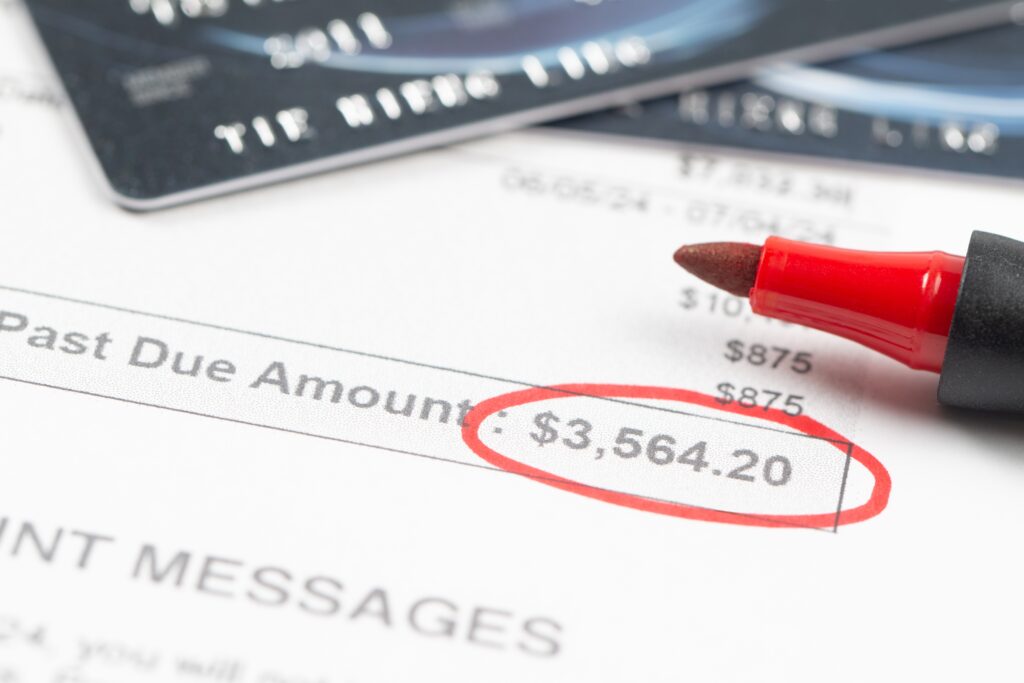
Your credit score is a three-digit number that tells lenders how likely you are to repay borrowed money. Knowing how these scores work helps you make better financial choices and get credit when you need it.
How Credit Scores Are Calculated
Credit scores usually range from 300 to 850. Higher numbers mean better creditworthiness.
The FICO scoring model is the most widely used by lenders across the United States.
Payment history accounts for 35% of your score and shows whether you pay bills on time and whether any accounts are sent to collections.
Credit utilization is 30% of the score. This measures how much available credit you use compared to your total limits. Experts say keep it below 30%.
The rest: Length of credit history (15%), new credit inquiries (10%), and credit mix (10%). How long you’ve had accounts, recent applications, and the variety of credit types all play a role.
You can improve your score by focusing on these factors. Managing credit effectively means consistently paying attention to payment dates and spending habits.
Major Credit Bureaus and Their Roles
Three big credit bureaus—Equifax, Experian, and TransUnion—collect and maintain credit info in the U.S. They gather data from lenders, credit card companies, and other sources.
Each bureau creates credit reports with your personal info, credit accounts, payment history, and public records. Lenders check these reports when you apply for credit.
The bureaus work independently, so details can vary between reports. Sometimes, a creditor reports to all three bureaus, sometimes just one, or not at all.
This explains why your scores might look a bit different across bureaus. You can request free credit reports from each bureau at AnnualCreditReport.com.
The Federal Trade Commission oversees credit reporting and protects consumer rights. If you spot errors, credit bureaus must investigate disputes within 30 days and fix any mistakes.
Regular monitoring helps you catch problems early and keep your credit profile accurate. Don’t skip this step—it’s worth it.
Factors That Influence Credit Scores
Your actions can raise or lower your credit score, sometimes fast.
Late payments hurt the most and stick around on reports for up to seven years.
Credit card balances matter a lot since bureaus update this info monthly. Paying down high balances can boost your score in just a few weeks.
Maxing out cards signals financial stress to lenders.
Hard inquiries happen when lenders check your credit for lending decisions. Too many in a short time can drop your score by a few points.
If you’re rate shopping for the same type of loan, multiple inquiries within 14-45 days usually count as one.
Closed accounts can lower your score by reducing available credit and shortening your credit history.
Keeping old accounts open, even with zero balances, often helps.
Collections and charge-offs are rough—they stay on your report for seven years. Bankruptcies stick around even longer, depending on the type.
Building positive credit takes time and steady habits. If you need help, services like Millennialcreditadvisers.com can guide you through strategies for improving your credit.
Building and Maintaining a Strong Credit Score
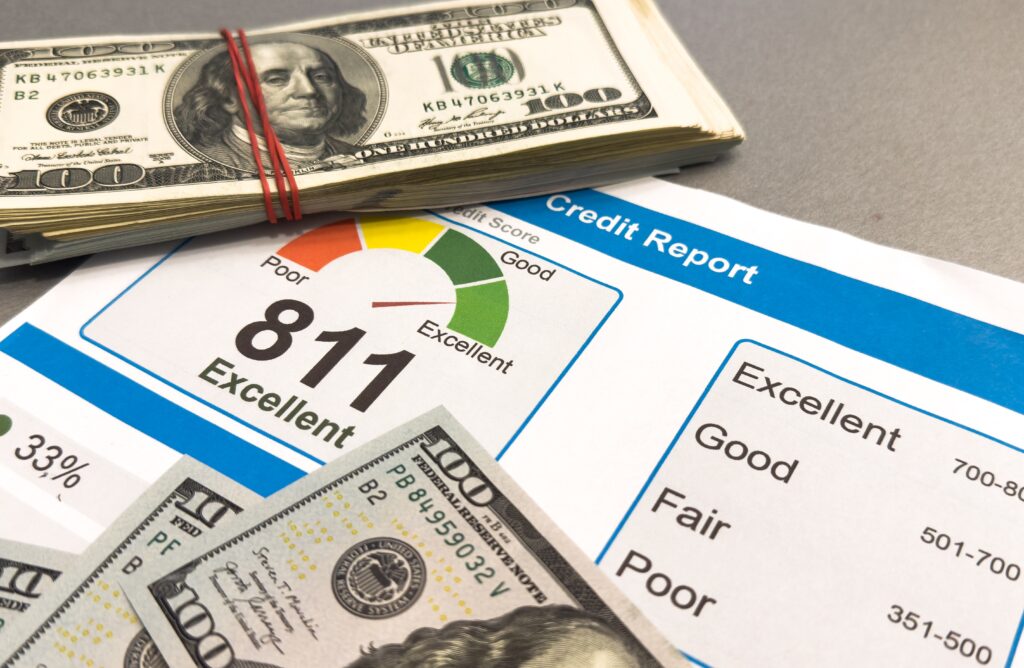
A strong credit score opens up better loan rates, housing options, and more financial opportunities. Building credit from scratch takes patience and smart habits.
Maintaining a good score means staying consistent and watching out for things that can drag it down. It’s a long game, not a sprint.
Steps to Establish Credit
If you have no credit history, getting started can feel daunting. Lenders want to see some proof that you handle borrowing responsibly.
One way in is to become an authorized user on a family member’s credit card. Their positive payment history shows up on your report, and you get credit history without being on the hook for payments.
Secured credit cards are another solid option. You put down a cash deposit, which becomes your credit limit. The lender is protected, and you get a chance to show you can manage credit.
Most secured cards report to all three major bureaus. Credit builder loans also help—they hold the money in an account while you make payments, then release it once you’re done. It’s a way to build payment history without instantly getting the cash.
Some credit builder programs can help establish a payment history if you’re starting from zero. These programs usually report to the bureaus every month.
Effective Strategies for Improving Your Score
Payment history is the biggest chunk of your credit score—35%. Paying every bill on time is the single most important thing you can do.
Set up automatic payments if you’re forgetful. Even one late payment can drop your score and stick around for seven years.
Credit utilization makes up 30% of your score. Try to keep it below 30% of your total limits. If you have a $10,000 limit, keep balances under $3,000. Lower is even better.
Paying down existing debt helps right away. You can also ask for credit limit increases on your existing cards, which gives you more available credit without extra spending.
Maintaining your high credit score requires following proven strategies and sticking with positive behaviors. Checking your credit reports regularly helps you catch errors that could drag your score down.
Everyone can access free reports through monitoring changes in credit reports at AnnualCreditReport.com. Staying proactive makes a difference.
Common Mistakes That Lower Credit Scores
Closing old credit cards might seem like the smart move, but it usually backfires. Doing this reduces your total available credit and bumps up your utilization ratio.
It also shortens the average age of your accounts, which makes up about 15% of your credit score. It’s one of those things people do with good intentions and then regret later.
Applying for several credit cards or loans at once triggers hard inquiries. Each inquiry can knock your score down a few points.
These inquiries stick around on your credit report for two years. The impact is strongest in the first year, so it’s best to space out applications if you can.
Common credit score mistakes include:
- Missing payment due dates—even by a single day
- Maxing out credit cards
- Ignoring collection accounts
- Co-signing loans for unreliable borrowers
- Using payday loans or high-interest lenders
Not checking your credit report lets errors linger. Incorrect information that brings scores down should be disputed with the bureaus right away.
The credit bureaus have to investigate disputes within 30 days. It’s worth the effort, honestly.
Closing accounts just to avoid temptation usually does more harm than good. A better move is to remove cards from your wallet but keep the accounts open.
Some folks cut up the cards but leave the account alone. It’s a quirky solution, but it works for some.
Professionals at Millennial Credit Advisers help people figure out which actions hurt scores and create plans to fix them. Working with credit experts can save you from mistakes that take years to undo.
Practical Credit Management Strategies

Building strong credit isn’t magic—it’s about real actions and habits. Here are three core areas to focus on if you want to see your score rise and stay healthy.
Budgeting for Better Credit
A solid budget is the backbone of good credit management. If you know where your money goes, you’re less likely to miss payments or rack up debt.
The 50/30/20 rule is a simple place to start. That’s 50% of your income for needs, 30% for wants, and 20% for savings and debt repayment.
Sticking to this helps ensure bills get paid on time, which is huge since payment history makes up 35% of your credit score. It’s not fancy, but it works.
Key budgeting steps include:
- Writing down every source of monthly income
- Listing fixed expenses like rent and utilities
- Tracking variable costs—groceries, gas, the random coffee run
- Setting aside funds for credit card payments before spending on extras
Many people use budgeting apps or spreadsheets to keep tabs on spending. Checking in with your budget regularly shows where you can cut back.
Money saved this way can go toward debt or building an emergency fund. It’s not always easy, but it beats scrambling when something unexpected pops up.
Emergency funds are a lifesaver. Experts suggest saving three to six months of expenses, though even a small cushion helps.
Managing Debt Responsibly
How you handle debt affects your credit utilization, which is 30% of your score. Credit utilization means the percentage of your available credit that you’re using.
Try to keep your utilization below 30% on all accounts. If you can stay under 10%, even better.
If you have a $10,000 total credit limit, keeping your balance below $3,000 is good—under $1,000 is great. It’s easier said than done, but it makes a difference.
Effective debt management strategies:
- Pay more than the minimum payment each month
- Focus extra payments on high-interest debts first
- Consider consolidating debt if you have multiple accounts
- Avoid taking on new debt while paying down existing balances
The snowball method works for some people—pay off the smallest debt first, then move on to the next. That little win can give you momentum.
The avalanche method targets the highest interest rates first, which saves more money in the long run. Both approaches have their fans, so pick what feels right for you.
Smart Use of Credit Cards
Credit cards can be great tools if you use them wisely. They help build credit history and offer protections that debit cards just don’t.
But let’s be honest—bad habits with credit cards can wreck your score fast. It’s a double-edged sword.
Best practices for credit card use:
- Pay the full balance every month to avoid interest
- Set up automatic payments so you never miss a due date
- Only use cards for purchases you’ve already budgeted for
- Keep old credit cards open to help your credit history
Ask for credit limit increases periodically. Higher limits lower your utilization ratio, as long as your spending doesn’t go up with it.
Most issuers let you request an increase every six months. It never hurts to ask.
Reward cards can be tempting with their cash back or points. They’re only worth it if you pay off the balance—otherwise, interest wipes out any perks.
Some people like the one-card strategy for simplicity. Others juggle multiple cards for different rewards.
Either way, review your statements every month. Catching errors or fraud early protects your score and your wallet.
Advantages of Effective Credit Management

Managing your credit well brings real benefits—both day-to-day and over the long haul. People with strong credit get better financial products and save more money, plain and simple.
Access to Better Loan Terms
Lenders always check your credit before approving loans for a home, car, or business. A strong credit profile opens doors to better loan options and bigger amounts.
Responsible credit users get higher approval rates. They also see more flexible repayment schedules and fewer restrictions.
Banks and credit unions save their best loan products for people who show they can handle credit. That’s just how it is.
The differences in loan terms can be huge. Someone with excellent credit might snag a 30-year mortgage with a tiny down payment, while someone with poor credit faces stricter rules and higher requirements.
These perks aren’t just for loans—you’ll see them with credit cards too. Better rewards, higher limits, and nicer perks all come with strong credit management.
Lower Interest Rates and Fees
Interest rates matter—a lot. Good credit management usually means you get rates that are 2-5 percentage points lower than what’s offered to people with bad credit.
On a $300,000 mortgage, that could mean saving over $100,000 during the loan’s lifetime. That’s not pocket change.
Credit card companies set rates based on your credit history. If you pay on time, you might get a card with a 0% intro rate and ongoing rates under 15%.
People with shaky credit pay much more—sometimes over 25%, plus annual fees. Late fees and penalty rates also show up less often for those with good credit.
Many lenders even waive certain fees for folks with a spotless payment record. Insurance companies use credit info to set premiums too, so your credit can save you money there as well.
Improved Financial Security
Emergencies don’t wait for a convenient time. If you manage your credit well, you have options—emergency funds, credit lines, or new loans when needed.
Some employers check credit reports, especially in finance, government, or security jobs. Good credit can open up job opportunities and help with housing too, since landlords often check credit before renting.
There’s a psychological side to all this. Knowing you have good credit cuts down on stress. You spend less time worrying about loan rejections or surprise expenses.
That security lets you plan big life moves—starting a family, changing jobs, or moving across the country. The credit management approach you choose today shapes your financial flexibility for years to come.
Disadvantages of Poor Credit Management

If you don’t manage your credit well, the problems pile up fast. You’ll find yourself with fewer options, higher costs, and way more stress than you bargained for.
Limited Access to Credit
Poor credit scores make it tough to get approved for loans or credit cards. Lenders see low scores and get nervous about getting their money back.
Many banks reject applications from people with scores below 580. If you do get approved, it’s usually for a much smaller limit.
Someone with good credit might get a $10,000 card, while someone with poor credit might get $500—if that. Having a bad credit report affects every area of life.
Landlords check credit before renting. Utility companies sometimes ask for big deposits.
Some employers look at credit reports, especially for jobs that handle money. Car loans and mortgages become nearly impossible with very low scores.
Even cell phone companies might deny service or demand upfront payments if your credit’s in bad shape.
Higher Costs of Borrowing
Poor credit makes borrowing way more expensive. Lenders charge higher interest rates if they think you’re a risk.
Someone with excellent credit might get a car loan at 4%. Poor credit could mean 15% or more for the same car.
On a $20,000 car loan over five years, that difference adds up to thousands in extra interest. Credit card rates skyrocket for people with damaged credit—sometimes over 25% a year.
Late payments can trigger penalty rates up to 29.99%. It’s a tough cycle to break.
Personal loans cost more, too. Sometimes payday loans are the only option, but their fees and interest are brutal.
Insurance companies in many states use your credit score to set rates. Poor credit can mean higher premiums, no matter your claims history.
Potential for Financial Stress
Poor credit means constant money worries. When you can’t get loans or credit, even small emergencies turn into big problems.
The stress takes a toll—lost sleep, anxiety, and even health problems. Money arguments can hurt relationships, and sometimes family has to step in, which isn’t always easy.
Debt collectors call when payments are missed. Those calls come at work and home, and sometimes collectors threaten legal action.
Poor credit can limit your career too. Jobs that involve money or require security clearance often check credit, and bad history can close doors.
Financial stress makes it hard to save for the future. High interest payments eat up money that could go to retirement or emergencies.
Each year, it gets harder to catch up. That’s a tough spot to be in, and it’s why managing credit really matters.
Digital Tools and Resources for Credit Management

Technology has made credit management a lot easier. There are so many apps and platforms now that help you keep tabs on your financial health and make smarter credit decisions.
Online Financial Platforms
Credit management apps, such as Credit Karma, provide tools to track your credit limits, outstanding balances, and payment schedules. These platforms consolidate your financial information into one place so you don’t have to log in to multiple websites.
You can see all your accounts and debts together, which is honestly a relief. Many online platforms include credit risk assessment features to help you understand where you stand financially.
The software can send you alerts when payments are due or if your credit utilization creeps up too high. Some platforms even connect directly with your bank accounts for real-time updates—no more manual tracking unless you want it.
Automation takes a lot of the hassle out of managing spending and payments. You can set up alerts that actually fit your financial goals, not just generic reminders.
Key features of online platforms include:
- Automated payment reminders
- Credit utilization tracking
- Debt payoff calculators
- Budget planning tools
- Account aggregation from multiple sources
Mobile Apps for Tracking Credit Scores
Mobile apps put your credit info right in your pocket, any time you want it. Lots of these apps offer free credit score monitoring and update your score regularly.
They pull data from the major credit bureaus and display it in ways that actually make sense. Many apps include educational resources so you can figure out what affects your score.
You can even see how certain actions might change your score before you do anything. Push notifications let you know fast if something important changes on your report.
These alerts can flag new accounts, hard inquiries, or anything suspicious. Early warnings really help stop identity theft or unauthorized accounts before things get out of hand.
Popular apps also hand out personalized credit improvement tips. They analyze your data and suggest actions to boost your score.
You can watch your progress over time with charts and graphs—makes it a bit more motivating, honestly.
Accessing Guidance from Credit Advisers
Professional credit advisers offer personalized strategies to improve your credit. Services like Millennial Credit Advisers bring expert guidance tailored to your situation.
These specialists know the ins and outs of credit scoring and reporting. Credit advisers help you dispute errors on your credit reports and understand the right way to challenge inaccurate info.
This expertise can really speed up getting things fixed. Many advisory services also provide ongoing support and education, not just a one-and-done approach.
Clients get custom action plans with steps to follow and regular check-ins to keep you moving toward your credit goals. Advisers can even negotiate with creditors for you.
They know what creditors want to see in repayment arrangements, which can help you get better terms on debt settlements or payment plans.
How to Monitor and Protect Your Credit

Keeping an eye on your credit activity is just smart. Catching problems early can save you from a lot of headaches later.
Simple steps like checking your reports, spotting fraud, and protecting your personal data really do make a difference.
Regular Credit Report Checks
Everyone can get a free credit report from each of the three major credit bureaus once a year. These reports show your accounts, payment history, and any negatives.
Try reviewing your reports every four months by rotating which bureau you request from. That way, you’re not waiting a whole year between checks.
When you look over your report, check for accounts you don’t recognize. Make sure your payment history lines up with your own records.
It’s worth confirming that your addresses and employer info are correct too.
Key items to review:
- Account balances and credit limits
- Payment dates and amounts
- Hard inquiries from credit applications
- Personal information accuracy
If you spot any errors, file a dispute with the credit bureau right away. They have to investigate within 30 days, so don’t wait around.
Credit monitoring services track reports and send alerts when something changes. Some cost money, but you can find basic monitoring for free.
Recognizing and Addressing Fraud
Identity thieves use stolen info to open accounts and make purchases in your name. Catching fraud early keeps it from spiraling out of control.
Watch for bills for accounts you never opened or weird charges on your cards. If debt collectors call about debts that aren’t yours, that’s a big red flag.
If you think you’ve been hit by fraud, act quickly. Contact the company where the fraud happened and shut down those accounts.
Put a fraud alert on your credit reports to make it tougher for thieves to open new accounts.
Steps to take after discovering fraud:
- File a report with the Federal Trade Commission at IdentityTheft.gov
- Contact local police to create an official report
- Freeze credit files at all three bureaus
- Update passwords on financial accounts
- Review bank and credit card statements closely
A credit freeze blocks new creditors from seeing your credit reports. This keeps identity thieves from opening accounts in your name.
Freezing your credit is free and stays put until you remove it. Check your bank and credit card accounts every week for anything suspicious.
Small unauthorized charges can be a test before a thief tries for bigger amounts.
Safeguarding Personal Financial Data
Strong passwords keep hackers out of your financial accounts. Each account should have its own password with a mix of letters, numbers, and symbols.
Password managers are lifesavers for keeping track of it all. Don’t share financial info over email or phone unless you started the conversation yourself.
Scammers often pretend to be your bank or credit card company just to get your details.
Best practices for data protection:
| Action | Benefit |
|---|---|
| Enable two-factor authentication | Adds extra security layer to accounts |
| Shred financial documents | Prevents dumpster diving theft |
| Use secure networks | Protects data from hackers |
| Monitor account alerts | Catches unauthorized activity quickly |
Public Wi-Fi just isn’t safe for banking or shopping. Wait until you’re on a private connection before accessing your financial accounts.
Check your social media privacy settings. Thieves use details like birthdays and addresses to answer security questions, so keep that stuff private.
Mail theft gives criminals access to your bank statements and credit card offers. Use a locked mailbox or switch to paperless statements.
You can opt out of pre-approved credit offers at OptOutPrescreen.com. Store important documents like Social Security cards or tax returns in a safe place at home.
Only carry the IDs you actually need day to day. No point risking losing the rest.
Legal Rights and Regulatory Guidelines
Federal laws protect you from unfair credit reporting and give you the right to challenge what’s wrong. These rules help keep your credit profile accurate and give you options if mistakes show up.
Consumer Protections Under Federal Law
The Fair Credit Reporting Act (FCRA) is the main federal law for credit reporting. It says credit bureaus have to keep info accurate and lets you review and correct your files.
The Fair Credit Billing Act (FCBA) protects you from unfair billing practices on credit cards. You can dispute billing errors within 60 days of getting your statement.
The Fair Debt Collection Practices Act (FDCPA) limits when and how debt collectors can contact you. They can’t call super early or late, and if you ask them in writing, they must stop contacting you.
Key protections include:
- The right to a free annual credit report from each bureau
- Protection against discrimination based on personal traits like race or religion
- The right to know who accessed your credit info
- Limits on how long negative info can be reported
Understanding the Fair Credit Reporting Act
The FCRA sets rules about who can see your credit reports and how long negatives stay on file. Most negative items drop off after seven years, but bankruptcies can stick around for ten.
Credit bureaus must investigate disputes within 30 days. If they can’t verify something, they have to remove it from your report.
You can add a 100-word statement to your file if you’re disputing something. Anyone who pulls your report will see your side of the story.
If you’re denied credit, employment, or insurance because of your credit, the law requires an adverse action notice. This notice must tell you which bureau supplied the info and explain how to dispute it.
How to Dispute Credit Report Errors
Check your credit reports from all three bureaus at least once a year. Mistakes can show up on just one or all three.
Start a dispute by sending a written complaint to the credit bureau. Point out each error, explain why it’s wrong, and include proof like payment records.
Steps to dispute errors:
- Get copies of your reports from Equifax, Experian, and TransUnion
- Find anything inaccurate or incomplete
- Write a detailed letter explaining each issue
- Send the letter by certified mail with return receipt
- Keep copies of everything you send
The bureau has 30 days to investigate and must let you know the results. If they agree with you, they’ll fix the error and tell the other bureaus.
You can also contact the company that reported the mistake. They have to check and fix errors they sent in, by law.
If you’re looking for credit management or score improvement services, make sure the provider complies with all applicable rules and regulations.
Leveraging Professional Credit Advisers
Sometimes things get so complicated that you just need an expert. Professional credit advisers can help when you’re stuck and regular approaches aren’t working.
They know credit laws, dispute processes, and strategies that most of us just don’t have time to learn.
When to Seek Professional Help
Think about getting professional help if you’re dealing with stubborn credit report errors that disputes haven’t fixed. Advisers are also great when you need to rebuild credit after tough times like bankruptcy or foreclosure.
If you don’t have time or patience for all the red tape at the credit bureaus, an expert is worth it. People facing identity theft or mixed-up credit files often need a pro to sort things out.
If your score stays low after months of trying everything yourself, it might be time to call in the experts. Advisers at Millennial Credit Advisers handle the tough cases where nothing else has worked.
Big life events—like applying for a mortgage or launching a business—sometimes mean you need a faster credit turnaround. Professionals can speed things up thanks to their contacts and know-how.
Choosing a Reputable Credit Adviser
Always check that your credit adviser is certified and licensed in your state. Good firms lay out their fees clearly and won’t ask for payment before they deliver results.
Look up reviews on independent sites and see how the company rates with the Better Business Bureau. Real advisers don’t guarantee specific score jumps or promise to erase accurate negatives.
Red flags to avoid:
- Companies demanding big upfront payments
- Advisers telling you to dispute true information
- Promises of instant score increases
- Firms with no real address or contact info
Professional advisers should explain what they’ll do and give you a realistic timeline. They have to follow the Credit Repair Organizations Act and provide a written contract.
Ask about their experience with cases like yours, and don’t be shy about requesting references from past clients. It’s your credit—make sure you trust who’s helping you.
Benefits of External Credit Advice
Professional advisers bring years of specialized experience that most folks just can’t match on their own. They know which dispute methods actually work for different types of credit issues.
Credit professionals build relationships with bureau reps and creditors that give them extra leverage. They understand how to phrase disputes and requests to get better results.
Advisers save clients a ton of time by handling paperwork, follow-ups, and all those back-and-forths with different parties. This can be a real lifesaver for busy professionals or business owners juggling a million things.
Key advantages include:
- Access to specialized credit repair software and tools
- Knowledge of lesser-known credit building strategies
- Understanding of state-specific consumer protection laws
- Ability to identify and address complex credit file issues
External advisers give objective assessments without getting tangled up in past financial mistakes. They put together action plans tailored to each person’s credit profile and goals.
With professional guidance, clients are less likely to make mistakes that could hurt their credit scores even more. Advisers help people dodge common pitfalls while working toward better credit.
Integrating Credit Management Into Long-Term Financial Planning
Good credit management works best as part of a bigger plan. When people tie their credit habits to future goals, they usually get better results than treating credit as just another chore.
Setting Achievable Credit and Financial Goals
Credit goals need to be specific and come with real deadlines. Maybe someone wants to boost their credit score from 650 to 720 in 18 months. Or maybe they’re aiming to pay off $5,000 in credit card debt by year’s end.
Breaking big goals down into smaller steps makes them less overwhelming. For example, someone working toward a 100-point score jump might focus on paying down 30% of their debt in the first six months. They could also set a goal to make every payment on time for a year straight.
Integrating a credit maximizer into overall financial planning connects credit work with other money tasks like saving and budgeting. A solid plan covers both quick wins and long-term targets. Jotting down goals and checking progress each month helps people actually stick with it.
Key goal-setting steps include:
- Setting a target credit score range
- Creating a debt payoff timeline
- Tracking monthly progress
- Adjusting plans when needed
Preparing for Major Financial Decisions
Big purchases—think homes and cars—take planning months or even years in advance. Lenders really look at credit reports before approving mortgages or auto loans. If you want to buy a house in two years, start working on credit now.
Most lenders want to see scores above 620 for home loans, but better scores mean better rates. Someone with a 760 score might save $50,000 or more on mortgage interest compared to a 650 score. That’s huge.
Building and protecting credit for long-term success really does take preparation. People should check their credit reports for errors at least six months before applying for big loans. That gives time to fix mistakes and see scores improve.
Smart borrowers also save for down payments while working on credit. This two-pronged approach puts them in a stronger position when it’s time to apply for loans.
Ongoing Education and Skill Building
Credit rules and scoring methods keep changing. Folks who stay curious and keep learning about credit management usually make smarter choices. Reading trusted websites or government sources helps them stay in the loop.
The Federal Trade Commission website is a solid place for free info about credit rights and protection. State consumer protection offices offer guidance on local laws too. Plenty of community colleges and nonprofit groups run free financial education classes.
Learning how to read credit reports takes a bit of practice. Knowing what things like utilization ratio, hard inquiries, and payment history mean helps people spot issues early. Some folks benefit from working with credit counselors or financial advisors.
Building up credit knowledge protects against scams and bad advice. When people know the basics, they can spot sketchy offers and avoid expensive mistakes. They figure out which actions help their scores and which ones just make things worse.
Useful learning resources:
- Federal government websites ending in .gov
- University financial literacy programs at .edu sites
- Nonprofit credit counseling agencies
- Consumer protection bureaus
Key Giveaways
Credit scores range from 300 to 850. Higher scores help people get better loan terms and lower interest rates.
Payment history makes up 35% of a credit score. Late payments can stick around on credit reports for up to seven years. Paying bills on time is the single most important thing for good credit.
Credit utilization should stay below 30%. That means using less than 30% of your available credit limits. Keeping balances low tells lenders you manage debt responsibly.
Credit mix affects about 10% of a score. Having different types of credit—credit cards, auto loans, mortgages—can help. But opening accounts you don’t need just to improve your mix isn’t worth it.
Hard inquiries can lower scores temporarily. Every time you apply for new credit, your score might drop a few points. These inquiries stick around for two years but only affect scores for one.
Checking your own credit doesn’t hurt your score. This is called a soft inquiry. People should review their credit reports regularly to catch mistakes or signs of identity theft.
Credit repair takes time and consistent effort. There are no quick fixes for a damaged credit score. Managing credit effectively means understanding how scores work and making smart choices.
Millennial Credit Advisers offers guidance for improving credit scores. Sometimes, professional help makes the whole process much easier.
Frequently Asked Questions
Managing credit well means understanding a few key things. How do credit decisions affect long-term finances? What actually works to boost scores? What pitfalls should you dodge? Is professional help worth it? How do you even read a credit report, and what’s the deal with monitoring tools?
How can effective credit management impact my financial stability?
Good credit management lays the groundwork for financial security. When you handle credit well, you get better interest rates on loans and credit cards, which saves you money over time.
A strong credit score opens doors for big purchases. People with good credit can usually get mortgages with lower monthly payments. They can lease cars and rent apartments more easily, too.
Employers and insurance companies sometimes check credit reports. Good credit can help you land a job or pay less for car insurance. Millennial Credit Advisers helps folks see how credit affects all areas of life.
Poor credit management just adds stress and limits options. People with low scores pay more for everything, and sometimes they can’t get loans at all.
What strategies can I employ to improve my credit score over time?
The biggest thing is paying all bills on time. Payment history is the largest part of your score. Even one late payment can stick with you for years.
Keeping credit card balances low helps scores climb. Experts usually say use less than 30% of your available credit, but under 10% is even better if you can swing it.
Here are some proven strategies to boost credit scores:
- Pay down existing debt, starting with high-interest accounts
- Keep old credit cards open to maintain a longer credit history
- Avoid opening too many new accounts at once
- Check credit reports for errors and dispute mistakes
- Become an authorized user on someone else’s account with good payment history
Paying more than the minimum due speeds up the process. Extra payments shrink debt faster and lower your utilization. That double whammy can move your score up within a few months.
Having different types of credit helps, too. A mix of installment loans and revolving credit shows lenders you can handle both. But don’t take on debt just to diversify—it’s not worth the risk.
What common mistakes should I avoid when trying to enhance my creditworthiness?
Closing old credit cards usually backfires. It cuts your available credit and makes your utilization ratio worse. Plus, it shortens your average account age.
Applying for multiple credit cards in a short time can hurt your score. Every application triggers a hard inquiry, and too many make lenders nervous.
Missing payments is about the worst thing you can do. One late payment stays on your report for seven years. Setting up automatic payments helps avoid that headache.
Ignoring your credit reports is a big mistake. The Federal Trade Commission says about 20% of reports have errors. Those mistakes can drag scores down for no good reason.
Maxing out credit cards tanks scores fast. High balances make it look like you rely too much on credit, which scares lenders off.
Co-signing loans for others is risky. If the other person misses payments, it hurts your credit, too. Only co-sign if you’re truly willing to make those payments yourself.
What advantages and disadvantages are there to using credit counseling services?
Credit counseling gives professional guidance to people struggling with debt. Counselors go over your finances and build personalized plans. They might even negotiate with creditors to lower interest rates or drop fees.
Advantages include structured debt management plans. Counselors can roll multiple payments into one monthly bill, making budgeting a whole lot easier. This helps people stick with their plan.
Many nonprofit agencies offer free services. They teach budgeting and money management skills that help people avoid future credit problems.
Counseling services can lower stress. Letting an expert handle creditor calls and letters takes a load off. That relief can make all the difference in sticking to a plan.
There are downsides, though. Some debt management plans require closing credit cards, which can lower your score for a while by reducing available credit.
Credit counseling shows up on credit reports. It’s not as bad as bankruptcy, but some lenders might see it as a red flag. It tells them you needed help managing debt.
Not every counseling agency is trustworthy. Some charge high fees or make promises they can’t keep. Always check agencies through the National Foundation for Credit Counseling or look up their ratings with the Better Business Bureau.
Debt management plans take time. Most last three to five years, so you need patience and discipline to see it through.
How does understanding my credit report contribute to better credit management?
Credit reports lay out your entire payment history for every account. When you read through them, you can spot exactly what’s pulling your score down—or up.
Specific details let you zero in on problems. If you know what’s off, you can actually do something about it, right?
These reports flag accounts with late payments. They also show your current balances and credit limits at a glance.
With that info, you can figure out which debts need your attention first. It’s a lot less overwhelming when you have the facts in front of you.
The inquiry section is another biggie. You’ll see which companies have checked your credit, and honestly, too many inquiries can make lenders nervous.
Credit reports can tip you off to identity theft way before the damage gets out of hand. If you see accounts or addresses you don’t recognize, that’s a red flag.
Jumping on those signs early can really limit the fallout from fraud. It’s not paranoia—it’s just being smart with your info.
Everyone’s entitled to three free credit reports each year from AnnualCreditReport.gov. It’s worth checking all three, since Experian, Equifax, and TransUnion sometimes don’t match up.
Comparing reports helps you spot errors that might slip through with just one bureau. That’s a simple step that can save a ton of hassle.
If an account went to collections, your credit report will spell out why. You’ll see both the original creditor and any collection agency involved.
That makes it easier to dispute mistakes or work out a payment plan. No more guessing who’s holding the debt.
The accounts section also shows your credit mix. You can decide if you need more variety in your credit types.
That knowledge helps you plan smarter credit applications—because nobody wants to make things harder on themselves than they have to.
What are the key considerations when selecting credit monitoring tools and services?
Update frequency is a big deal. Some services check your credit daily, while others only update monthly.
Daily monitoring catches fraud much faster, but it usually costs more. If you’re worried about identity theft, that extra speed might be worth it.
Alert systems should be customizable. The best services let you set your own thresholds for score changes or new credit inquiries.
Instant notifications help you react quickly if something looks off. It’s a small detail, but it can make a huge difference.
Many tools for monitoring credit scores now include identity theft protection. They’ll keep an eye on your Social Security number and public records, not just your credit score.
These extra features go beyond basic tracking. They add a layer of safety that’s honestly pretty reassuring.
Cost is all over the map. Free options give you the basics, but they might skip in-depth analysis or advanced alerts.
Paid services usually offer more features, but sometimes you end up paying for stuff you don’t need. It’s worth weighing what you’ll actually use.
Score simulators can help you see how your actions might impact your credit. They show potential changes before you make big moves.
This can be a lifesaver when planning a major purchase or figuring out how to pay off debt. Why not test out a few scenarios first?
Access to all three credit bureaus gives you the full picture. Some services only monitor one, which leaves gaps.
Lenders might check any bureau, so keeping tabs on all three helps you avoid surprises. It’s a detail that’s easy to overlook.
Educational resources really set the best services apart. Good platforms explain credit factors and offer practical tips for improvement.
Learning about credit management strategies isn’t just helpful—it’s empowering. It’s never too late to get a handle on your credit.
Disclaimer: Millennial Credit Advisers is not a licensed credit service provider or financial advisor. We don’t offer credit repair, debt management, or legal services. Educate yourself on saving, reducing debt, and managing credit for economic improvement. Understand credit reports, scores, and financial products. Consult a financial advisor for personalized advice. Track your progress for a better credit journey.
Written content: Please view our full AI Use Disclosure.
We improve our products and advertising by using Microsoft Clarity to see how you use our website. By using our site, you agree that we and Microsoft can collect and use this data. Our privacy policy has more details.