Achieve Your Financial Freedom! Take Control of Your Debt and Build a Brighter Future Today. Find Out More In Our Latest Article!
THIS ARTICLE MAY CONTAIN AFFILIATE LINKS, MEANING I GET A COMMISSION IF YOU DECIDE TO MAKE A PURCHASE THROUGH MY LINKS AT NO COST TO YOU. PLEASE READ MY AFFILIATE DISCLOSURE FOR MORE INFO.
DON’T HAVE TIME TO READ THE FULL ARTICLE. HERE’S WHAT YOU ARE MISSING.
- Achieve Your Financial Freedom! Take Control of Your Debt and Build a Brighter Future Today. Find Out More In Our Latest Article!
- Understanding Debt and Its Impact
- Creating a Strategic Debt Repayment Plan
- Budgeting Basics for Conquering Debt
- Utilizing Tools and Resources for Debt Management
- Exploring Debt Relief Options
- Building Sustainable Financial Habits
- Preparing for a Debt-Free Future
- Resources and Support for Continued Success
- Conclusion
Are you ready to take charge of your financial destiny? It’s time to break free from the chains of debt and step into a life of abundance.
Imagine a world where you control your finances and have the power to achieve your dreams.
With effective debt management strategies at your fingertips, you can turn this vision into reality.
Discover powerful techniques that will not only help you eliminate debt but also empower you to make smart budgeting choices and cultivate a robust savings plan.
These proven strategies are your roadmap to navigating the complexities of financial life and building a secure, prosperous future.
Don’t wait any longer! Embrace the potential within you and start your journey toward financial freedom today. The life you desire is within reach—let’s unlock it together!
Debt can feel like a heavy burden that follows you everywhere. It affects your financial health and peace of mind.
Managing debt effectively isn’t just about making minimum payments. It’s about creating a plan that helps you take back control and build a more secure future.
With proper debt management strategies, you can turn overwhelming debt into something manageable—part of your financial journey, not your whole story.

Understanding your debt is the first step. You need to know how much you owe, to whom, and at what interest rates.
Most people avoid looking at the big picture because it’s stressful. But facing the numbers is crucial if you want to make a real plan—especially one that knocks out high-interest debt first while keeping up with the rest.
Creating a realistic budget is essential for managing debt. When you track your income and expenses, you’ll spot areas to cut back and redirect that cash toward repayment.
It’s not just about paying what you owe. You’ve got to change your relationship with money and develop better habits that last long after the debt is gone.
Key Giveaways
- Strategic debt management begins with understanding each debt and creating a prioritized repayment plan.
- Sticking to a realistic budget helps free up money for faster debt payoff.
- Conquering debt means tackling both the numbers and the psychology behind spending.
Understanding Debt and Its Impact

Debt shapes our financial lives more than we sometimes care to admit. The way different debts work—and their consequences—can make or break your long-term goals.
Recognizing this can help you make smarter financial decisions down the road.
Defining Good Debt Versus Bad Debt
Good debt usually creates value or boosts your net worth. Think mortgages (building equity), student loans (investing in your future income), or small business loans (potential for growth).
Bad debt finances stuff that loses value or doesn’t last. Credit card balances with sky-high interest, payday loans with predatory terms, or car loans for vehicles you can’t really afford—those are classic examples.
The outcome is what matters: good debt acts as an investment that might pay for itself, while bad debt just drags you down.
Good vs. Bad Debt Comparison:
| Type of Debt | Classification | Typical Interest Rate | Creates Long-Term Value? |
|---|---|---|---|
| Mortgage | Good | 3-6% | Yes |
| Student Loan | Good | 4-7% | Yes |
| Credit Card | Bad | 15-25% | No |
| Payday Loan | Bad | 300-400% | No |
How Debt Affects Financial Health
Debt impacts your credit score and your future ability to borrow. High debt-to-income ratios can keep you from qualifying for mortgages or other loans.
Big debt payments can wreck your monthly cash flow, making it tough to save or invest. When emergencies hit, you might have to borrow more, and that can turn into a nasty cycle.
The stress of debt is real. Financial anxiety can lead to depression, relationship problems, and even affect your physical health.
Plenty of people put off big life choices—starting a family, switching careers, or retiring—because of debt. That’s a cost that doesn’t show up on a balance sheet, but it’s no less real.
Common Causes of Overwhelming Debt
Unexpected life events can throw your finances off a cliff. Medical bills, job loss, or divorce can wipe out savings and force you to rely on credit.
Poor financial literacy doesn’t help. If you don’t get how compound interest works, you might just pay minimums and watch your debt balloon.
When income stagnates but your lifestyle keeps expanding, debt fills the gap. It’s all too easy to swipe now and worry later.
Predatory lenders target people who are already struggling. Products with sky-high rates and tricky terms can trap you in a cycle that’s hard to break.
Creating a Strategic Debt Repayment Plan

Getting rid of debt takes a plan and some grit. You’ll need to understand your situation, pick a repayment method that fits, and set goals that aren’t just wishful thinking.
Assessing Your Debt Situation
Start by rounding up every detail about what you owe. Make a list: who you owe, how much, the interest rate, minimum payment, and due date.
Sort the list by interest rate and balance. Credit cards with double-digit rates usually cost you the most.
Calculate your debt-to-income ratio—monthly debt payments divided by your gross monthly income. If it’s over 43%, that’s a red flag for lenders and for you.
Choosing Between Avalanche and Snowball Methods
The avalanche method means you tackle debts with the highest interest rates first. You’ll pay less in interest overall, but it might take longer to clear individual balances.
The snowball method has you pay off the smallest balances first. You might pay more in interest, but the quick wins can keep you motivated.
Honestly, it’s about what works for you. Some folks need those early victories, others want to save every penny.
Setting Attainable Financial Goals
Create goals that are Specific, Measurable, Achievable, Relevant, and Time-bound (SMART). For example, instead of “pay off debt fast,” try “eliminate $5,000 in credit card debt in 12 months.
Break big goals into smaller steps. Celebrate the wins, even the little ones—it helps you keep going.
Build an emergency fund as you pay down debt. Even $1,000 set aside can keep you from sliding back into debt when life throws you a curveball.
Review your plan every few months. Life changes, and your strategy should too.
Budgeting Basics for Conquering Debt

A solid budget is the backbone of any debt repayment plan. When you know where your money goes, you’re in charge—not your bills.
Building an Effective Monthly Budget
First, figure out exactly how much you make and spend. Track every dollar coming in—paychecks, side gigs, anything.
Log every expense for at least a month. It’s tedious, but it’s eye-opening.
Plenty of free budgeting tools can help. Budgeting apps like Quicken Simplifi or YNAB, or just a simple spreadsheet, work fine.
The 50/30/20 rule is a good starting point: 50% to needs, 30% to wants, 20% to savings and debt.
Update your budget regularly. Things change, and your plan should too.
Prioritizing Essential Expenses
When you’re tackling debt, you have to know the difference between needs and wants. Essentials include:
- Housing (rent or mortgage)
- Utilities
- Groceries (not takeout)
- Transportation (just the basics)
- Healthcare
- Minimum debt payments
Cover these first. Try the “pay yourself first” method—set up automatic payments toward debt before you spend on extras.
If your debts have similar rates, the snowball method (smallest balance first) gives you quick wins. If you want to save the most money, the avalanche method (highest interest first) usually works best.
Identifying and Cutting Unnecessary Costs
Small expenses add up fast. That daily $5 coffee? Over a month, that’s $150—money you could use to chip away at your debt.
Go through your spending and look for these budget leaks:
- Subscription services you barely touch
- Dining out or food delivery
- Impulse buys
- Entertainment costs
- Brand-name items when generics would do
Try the 30-day rule: for any non-essential purchase, wait a whole month. Still want it after that? Take another look at your budget before you hit “buy.”
Consider going “bare-bones” for a bit if your debt feels out of control. Cut every extra expense for a few months and throw every possible dollar at your debt.
Utilizing Tools and Resources for Debt Management
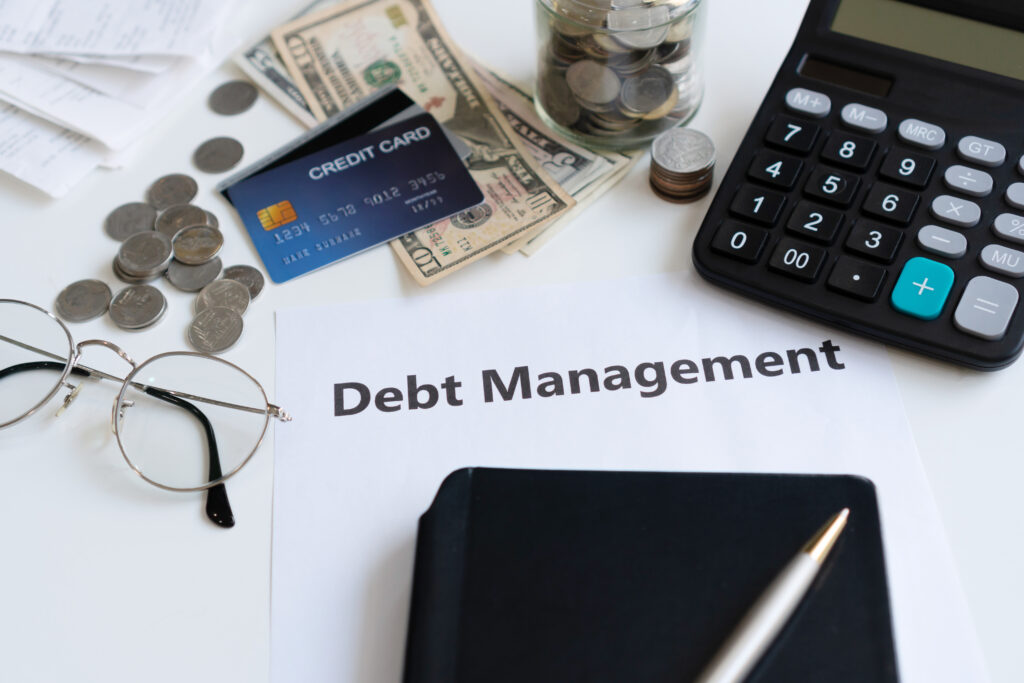
Managing debt takes more than willpower. The right tools and support can make things a lot less overwhelming.
Leveraging Financial Apps and Calculators
Financial apps and online calculators have changed the way we handle debt. With apps like Quicken Simplifi, YNAB, and Empower, you can track spending, set up budgets, and keep an eye on debt payoff goals.
These apps sort your expenses automatically and show exactly where your money goes. Debt payoff calculators help you see how long it’ll take to be debt-free and how extra payments could save you interest.
Many apps let you try out the snowball or avalanche methods, so you can see which plan fits your style. The best ones sync right to your bank and credit cards, giving you real-time updates and even ping you if you’re blowing past your budget.
Seeking Professional Credit Counseling
Credit counselors offer expert advice tailored to your situation. These certified folks look over your income, expenses, and debts to create a personal plan.
Most reputable agencies start with a free consultation. In sessions, you’ll learn budgeting tricks, debt strategies, and ways to boost your credit score.
Counselors can sometimes talk creditors into dropping your rates or waiving fees. Look for someone certified by the National Foundation for Credit Counseling or the Financial Counseling Association of America.
Steer clear of agencies that charge big upfront fees or promise instant debt erasure. Having someone keep you accountable can make sticking to your plan a lot easier.
Advantages of Debt Management Plans
Debt Management Plans (DMPs) give you a structured way out if you’re juggling multiple creditors. With a DMP, you make one monthly payment and the agency splits it up for you.
Here’s what you might get:
- Lower interest rates—sometimes cut in half
- No more late fees or penalties
- Fixed monthly payments
- Much simpler bill-paying
- Relief from collection calls
Most people finish a DMP in about 3-5 years. The agency usually charges a small monthly fee, but it’s way less than what you’d pay in interest.
You’ll have to close your credit accounts and avoid new debt while you’re in the program. It’s tough, but it helps break old habits and keeps you from digging a deeper hole.
Exploring Debt Relief Options

When your debt gets overwhelming, you’ve got options. Different strategies can help you take back financial control, depending on your situation and goals.
Debt Consolidation Explained
Debt consolidation means rolling several debts into one loan with a single payment. Usually, you get a lower interest rate and a simpler payment schedule.
You take out a new loan to pay off your old ones. Some people use personal loans, balance transfer cards, or home equity loans for this.
You might save on interest and free up some cash flow. For example, a 7% consolidation loan is a lot better than juggling cards at 18-24%.
But let’s be real—consolidation just rearranges your debt, it doesn’t erase it. You’ll need to tackle the habits that got you here, or the cycle just repeats.
Negotiating With Creditors
Talking directly to your creditors can sometimes get you better terms. Most lenders would rather work with you than see you default or file bankruptcy.
Be honest about your hardship. Ask for lower rates, longer payment periods, or maybe even a reduced lump-sum payoff.
Make sure you get every agreement in writing before you send money. That way, you’re covered if things get confusing later.
If you’re a few months behind and can offer a real lump sum, some creditors will settle for 50-70% of what you owe. Just know that settled accounts stay on your credit report for seven years, though it’s not as damaging as bankruptcy.
Bankruptcy: Last Resort Considerations
Bankruptcy is a legal way out if you truly can’t manage your debt, but it’s a big step. For individuals, there’s Chapter 7 (liquidation) and Chapter 13 (repayment plan).
Chapter 7 wipes out most unsecured debts but sometimes means giving up assets. Chapter 13 lets you keep your stuff and pay over 3-5 years. Whether you qualify depends on your income, debt type, and any previous bankruptcies.
You’ll need to go through credit counseling, pay attorney fees (usually $1,500-$3,500), and show up in court. Bankruptcy sticks to your credit for 7-10 years, making future loans tougher and pricier.
Some debts—like student loans, recent taxes, or child support—usually can’t be wiped out. Only consider bankruptcy after you’ve tried every other route. It brings relief, but the long-term impact is nothing to take lightly.
Building Sustainable Financial Habits

Long-term debt management? It’s all about habits. The routines you set now will keep your finances healthy even after you’re debt-free.
Establishing Emergency Savings
An emergency fund is your safety net for those “oh no” moments. Start tiny—$25 to $50 from each paycheck until you hit $1,000.
Once you get there, aim for 3-6 months of necessary expenses. This stash keeps you from reaching for credit cards when life throws a curveball.
Keep your emergency money in a high-yield savings account, separate from your checking. That way, you’re less tempted to dip into it for random stuff.
Maintaining Financial Discipline
Discipline isn’t easy, but it’s key. Track where every dollar goes—apps or spreadsheets both work.
Try the 24-hour rule for anything over $50: wait a day before you buy. You’d be surprised how often you’ll change your mind.
Automate your savings and investments so it happens on payday. Paying yourself first is a classic for a reason.
Find an accountability buddy who gets your goals. Regular check-ins can keep you honest and motivated—sometimes you need that push.
Regularly Reviewing Your Progress
Set a date each month for a quick financial review. Go over your spending, savings, and debt progress.
Life changes—job shifts, moves, family stuff—mean your budget has to flex too. Adjust as you go.
Every quarter, check your net worth by subtracting what you owe from what you own. Watching that number climb is actually pretty motivating.
Celebrate your wins, even the small ones. Treat yourself in a way that won’t blow your budget—it keeps you going for the long haul.
Preparing for a Debt-Free Future

Getting debt-free takes planning and steady effort. Once you’ve chipped away at your debt, it’s smart to look ahead and set up systems to keep your finances on track.
Setting Long-Term Financial Goals
Financial goals give your money a sense of direction. Figure out what matters to you—maybe retirement, buying a home, or paying for school. Write it down, get specific, and give yourself deadlines.
An emergency fund is a must. Aim for enough to cover 3-6 months of expenses. That way, surprise costs don’t send you back into debt.
As your debt shrinks, consider these investment moves:
- Employer retirement plans (especially if there’s a match—never leave free money on the table)
- Roth or Traditional IRAs for those sweet tax perks
- Index funds for simple, low-fee diversification
Set up automatic transfers to your savings accounts. Even small amounts add up over time, thanks to compound interest.
Check in on your goals every few months and tweak them as life changes. Celebrate small wins. It helps keep the momentum going.
Rebuilding Credit After Debt

Your credit score still matters, even if you’re done with debt. Pull your credit reports from all three bureaus—Experian, Equifax, TransUnion—and look for mistakes that could drag your score down.
Some key moves for credit rebuilding:
- Always pay on time
- Keep credit utilization under 30%
- Hang onto older accounts for a longer credit history
- Don’t go wild with new credit applications
If your score needs a serious boost, try a secured credit card. Use it for small, planned purchases and pay it off each month.
Keep tabs on your credit score with free services from your card companies. It takes time, but steady, responsible habits do pay off.
Good credit unlocks better insurance rates, rental options, and flexibility down the road—even if you’d rather avoid debt altogether.
Resources and Support for Continued Success
Staying on top of your debt management journey takes ongoing effort and the right support. The best resources can guide you through tough spots, and community support keeps you motivated.
Relevant Articles from Millennial Credit Advisers
Millennial Credit Advisers has a bunch of helpful content for anyone working on debt. Their site’s full of practical guides for common money struggles.
- “The Hottest Debt Repayment Plan – Strategy for Rapid Debt Meltdown.“
- “Break Free from Debt: Effective Ways to Achieve Financial Independence.“
- “Busting the Myths: Effective Long-Term Savings Strategies Explained.“
- “Top Debt Management Strategies For Developing A Successful Debt Repayment Plan To Overcome Debt.
These articles offer advice you can actually use, grounded in real financial know-how. They cover everything from budgeting basics to more advanced debt negotiation tips.
The site keeps things fresh with updates for changing economic conditions and trends. Their step-by-step guides break down tricky money topics in plain English.
Finding Community and Accountability
Connecting with people on a similar financial path makes a difference. Online communities give you a place to vent, get advice, and celebrate wins—big or small.
Financial accountability groups meet online or face-to-face to check in on goals. Folks share what’s worked for them, and you might pick up a trick or two.
Some groups focus on specific strategies:
- Debt snowball support groups
- Frugal living communities
- Networks for building more income
Apps like YNAB (You Need A Budget) and EveryDollar come with community features built in. They’re handy for tracking your money and connecting with others in the same boat.
Local financial workshops and seminars are worth a look, too. Check your community center, library, or credit union for free events where you can learn and meet people face-to-face.
Conclusion
Conquering debt takes commitment and a solid strategy. Honestly, the process can feel overwhelming at first, but every single step matters. You inch closer to financial freedom with each move.
Start by listing your debts. Make a budget that actually fits your life.
Focus on high-interest debts first. Keep making those minimum payments on everything else.
Key Actions to Take Today:
- Call your creditors and see if they’ll lower your interest rates
- Set up automatic payments so you don’t get hit with late fees
- Build a small emergency fund—just in case
- Check your progress every so often
- Give yourself a little credit for every milestone
Resources for Your Debt-Free Journey:
| Resource Type | How It Helps |
|---|---|
| Debt calculators | Map your payoff timeline |
| Budget apps | Track spending patterns |
| Credit counseling | Professional guidance |
| Support groups | Emotional encouragement |
It’s not just about the numbers. You’re building habits that could stick with you for life.
If you get stuck, reach out for help. A credit advisor can offer advice that fits your situation, not just generic tips.
Take that first step, even if it’s small. Your future self might just look back and thank you for it.
Disclaimer: Millennial Credit Advisers is not a licensed credit service provider or financial advisor. We don’t offer creditrepair, debt management, or legal services. Educate yourself on saving, reducing debt, and managing credit for economic improvement. Understand credit reports, scores, and financial products. Consult a financial advisor for personalized advice. Track your progress for a better credit journey.
Written content: Please view our full AI Use Disclosure.
We improve our products and advertising by using Microsoft Clarity to see how you use our website. By using our site, you agree that we and Microsoft can collect and use this data. Our privacy policy has more details.