
How to Build Wealth Without a Six-Figure Salary. Proven Strategies for Financial Independence on Any Income. FIND OUT MORE IN OUR LATEST ARTICLE.
THIS ARTICLE MAY CONTAIN AFFILIATE LINKS, MEANING I GET A COMMISSION IF YOU DECIDE TO MAKE A PURCHASE THROUGH MY LINKS AT NO COST TO YOU. PLEASE READ MY AFFILIATE DISCLOSURE FOR MORE INFO.
DON’T HAVE TIME TO READ THE FULL ARTICLE. HERE’S WHAT YOU ARE MISSING.
- How to Build Wealth Without a Six-Figure Salary. Proven Strategies for Financial Independence on Any Income. FIND OUT MORE IN OUR LATEST ARTICLE.
- Understanding Wealth Building Fundamentals
- Essential Takeaways
- Strategic Budgeting for Wealth Accumulation
- Setting Up Your Financial Systems on Autopilot
- Side Hustles That Scale
- Advancing Your Current Career
- Investing for the Future on Any Income
- Minimalism for Greater Savings
- Maximizing Cashback and Reward Programs
- Benefits of Creating Wealth on an Average Income
- Stress Reduction Through Planning
- Building Lifelong Financial Habits
- Common Obstacles and Difficulties
- Managing the Frustration of Gradual Progress
- Surviving Market Crashes and Recessions
- Essential Mindset Shifts for Financial Success
- Preventing Spending Creep
- Setting Clear, Achievable Milestones
- Essential Resources and Reading Materials for Financial Growth
- Top Budget Planning Tools
- Digital Tools for Building Money
- Your Path Forward to Financial Success
People often think you need to earn over $100,000 a year to build real wealth. This myth stops so many from chasing their financial goals.
The truth is, tons of Americans have managed to grow real wealth on average salaries. They do it through steady habits, disciplined saving, and some smart investing.

Plenty of research shows folks with moderate incomes sometimes outpace high earners in building wealth.
Why? They pick up better money management skills and don’t let lifestyle inflation eat up their raises.
It’s not really about how much you make. It’s about what you keep, invest, and how you plan for the long haul. That puts financial success within reach for anyone willing to focus on spending control and smart investing.
Understanding Wealth Building Fundamentals
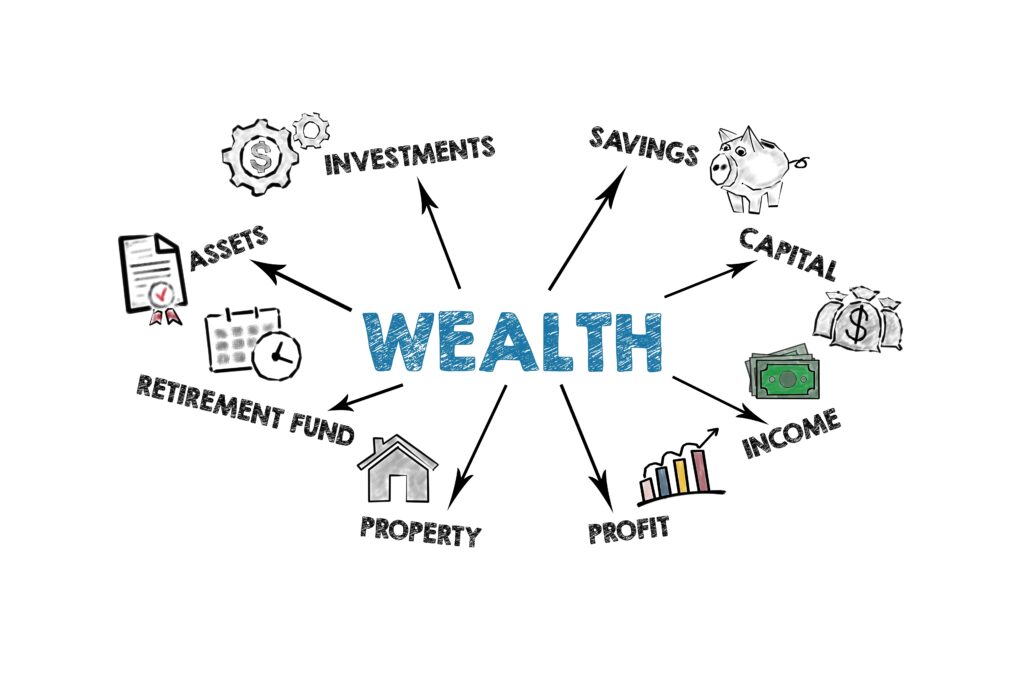
Anyone can follow the basics of building wealth. The size of your paycheck doesn’t decide if you’ll be financially successful.
Seriously, you don’t need a huge income to get ahead. Many believe otherwise, but it just isn’t true.
What Wealth Really Means
Wealth grows from assets that gain value over time. Someone earning $40,000 and saving $400 a month could end up wealthier than someone who makes $120,000 but spends it all.
It’s what you do with your paycheck that matters most.
Four main things create lasting wealth:
- Bank accounts that pay you interest
- Investments like stocks or mutual funds
- Physical assets—think houses or small businesses
- Debt—think zero credit card balances for starters
Plenty of wealthy folks started with regular jobs. They just spent less than they made and invested the rest.
How Money Grows Over Time
Compound interest is your friend. When you invest, your money earns returns, and then those returns start earning too.
This snowballs over time. Let’s look at what happens if you invest $150 a month:
| Time Period | 4% Growth | 6% Growth | 8% Growth |
|---|---|---|---|
| 10 years | $22,071 | $24,462 | $27,180 |
| 20 years | $55,061 | $66,214 | $82,422 |
| 30 years | $104,313 | $150,227 | $244,692 |
The earlier you start, the more you’ll have. Someone who invests $1,800 a year from age 22 to 32 will probably retire with more than someone who waits until 32 and invests for decades.
Wrong Ideas About Building Wealth
Misconceptions stop a lot of people from building wealth on average incomes. These myths are more common than you’d think.
False Belief 1: Only people with big salaries can get rich
Truth: Research says most millionaires never had massive paychecks.
False Belief 2: Investing is too dangerous for regular folks
Truth: Not investing is often riskier than putting money in broad market funds and letting it grow.
False Belief 3: You need thousands to start
Truth: Many places let you begin investing with $50 or even less.
False Belief 4: You need special skills
Truth: Simple stuff like consistent saving, reducing credit card debt, and buying index funds and investing for the long term works for most people.
The biggest myth? That you need perfect timing or secret tricks. In reality, just doing the basics, over and over, wins out.
Essential Takeaways

Building wealth on any income really comes down to three strategies. You want to make saving automatic, use money tools to stay on track, invest in assets that appreciate, and build income streams that earn while you sleep.
Building Automatic Wealth Through Savings
The most successful savers set up automatic transfers. When saving happens without thinking, it sticks.
Starting small works better than waiting for a big windfall. Even $20 a week adds up with time and compound growth.
| Weekly Amount | Annual Total | 30-Year Growth |
|---|---|---|
| $20 | $1,040 | $58,000 |
| $50 | $2,600 | $145,000 |
| $100 | $5,200 | $290,000 |
Always save before you spend. Move money to savings right after payday—treat it like a bill you can’t skip.
Separate accounts for different goals help keep things organized:
- Emergency funds for life’s surprises
- Retirement accounts for your future
- Investment accounts for growth
- Specific savings for big purchases
Try waiting a full day before buying anything expensive. This pause stops a lot of impulse buys you’d regret later.
Using Money Management Tools
Modern budgeting apps connect to your bank and show you exactly where your money goes. No spreadsheets required.
The 50/30/20 method makes budgeting simple. Use 50% of your income for needs, 30% for wants, and put 20% toward savings or debt.
Cash-only spending helps if you’re always blowing the grocery or entertainment budget. When the cash is gone, you stop spending.
Track your total net worth once a month. Just list what you own minus what you owe, and watch your progress.
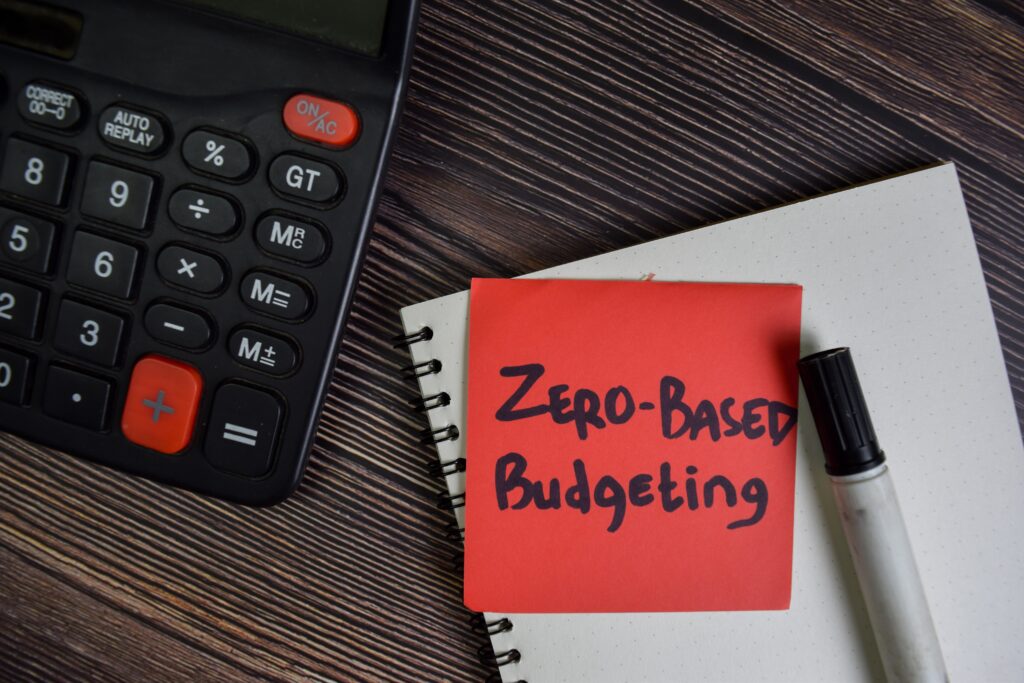
Zero-based budgeting gives every dollar a job before the month even starts. That way, your money doesn’t vanish without a trace.
Creating Money And Assets That Works Alone
Dividend stocks send you payments just for owning them. Big, stable companies often pay out four times a year. Even a $5,000 investment could bring in $150-200 annually.
Real estate investment trusts (REITs) let you earn property income without buying buildings. They usually pay higher dividends and spread out the risk.
High-yield savings accounts and CDs offer safe, guaranteed returns. Right now, rates can hit 4-5% a year with zero risk.
Smart income building usually follows these steps:
- Start with high-yield savings accounts
- Add broad market index funds
- Mix in some dividend stocks
- Consider real estate investments
Side hustles or small businesses can turn into automatic income, too. Stuff like online courses or affiliate sites takes work upfront but can pay off for years.
The aim? Replace work income with investment income, bit by bit. Even $150 a month in passive income adds up—$1,800 a year is nothing to sneeze at. Stick with these habits, and you’ll be surprised where you end up, no matter your starting salary.
Strategic Budgeting for Wealth Accumulation
Smart money management lays the groundwork for building wealth. People who set up and actually follow spending plans can push more cash toward investments and savings goals.
Creating a Monthly Money Plan
The simplest approach splits your income into three big buckets. Fifty percent covers essential expenses like rent and groceries.
Thirty percent goes to fun stuff and personal wants. Twenty percent heads straight to savings and investment accounts.
Track every dollar you spend for a month. You’ll probably spot patterns and realize how much slips away on random little things.
A solid spending plan covers these basics:
- Housing costs (rent, utilities, maintenance)
- Food expenses (groceries, restaurants)
- Transportation (vehicle, fuel, repairs)
- Insurance premiums (health, auto, property)
- Debt obligations
- Investment contributions
Zero-based planning gives every dollar a job. When your income minus expenses equals zero, you know where all your money’s going—no more “where did it all go?” moments.
Budgeting apps or even a basic spreadsheet can do the job. The real trick is to pick one and stick with it every month.
Focusing on High-Impact Changes
Some expenses help you build wealth, while others just drain your wallet. The smartest budgeters figure out what to cut first.
Common areas for cuts include:
- Subscription services you barely use
- Eating out way too often
- Impulse shopping trips
- Paying extra for brand names when store brands do the trick
- High car payments
Try to keep housing under thirty percent of your income. If it’s higher, maybe it’s time to think about relocating or getting a roommate. That move alone can free up a surprising chunk of change.
Transportation costs sneak up fast. Buying a reliable used car instead of a new one saves a ton. Some folks go further and use public transit or bikes.
Food is another biggie. Planning meals and cooking at home usually slashes your grocery bill. Store brands? They’re usually just as good as the fancy stuff.
Shopping around for insurance every few years can uncover lower rates. Raising your deductible drops your monthly premium, but make sure you’ve got enough saved to cover a bigger out-of-pocket hit if you need it.
Setting Up Your Financial Systems on Autopilot

Automation makes it way easier to stay on track with monthly savings goals. When money moves out of your account automatically after each paycheck, you’re not constantly fighting the urge to spend it.
Essential Automation Methods:
- Paycheck splitting through direct deposit
- Scheduled account transfers
- Round-up investment applications
- Automatic bill payment systems
Paying yourself first gets much simpler with automation. Your savings move over before you even get a chance to think about spending them. It’s like treating your future self as a non-negotiable bill.
Automating your emergency fund works wonders. Most experts suggest saving three to six months of living expenses, but starting with a goal like $1,000 is a good first step. It’s not perfect, but it’s a cushion.
Automated investing helps you stick with it, no matter what the market’s doing. Dollar-cost averaging means you invest the same amount every month, rain or shine. It’s not flashy, but it works.
Account Organization Strategy:
| Account Type | Purpose | Benefit |
|---|---|---|
| Emergency Fund | Unexpected expenses | Financial security |
| Goal-Based Savings | Vacation, major purchases | Clear progress tracking |
| Investment Account | Long-term growth | Wealth building |
Having separate accounts for different goals keeps things tidy. When you know what each account is for, you’re less likely to dip into your emergency fund for concert tickets.
Setting up automatic bill payments saves you from late fees and missed deadlines. Still, take a few minutes each month to check your accounts for weird charges or mistakes. Automation’s great, but it’s not foolproof.
Side Hustles That Scale

Lots of folks don’t realize how fast some side businesses can grow. The trick is picking something that multiplies your effort, not just trading hours for dollars.
Digital service providers—think writers, designers—often see income jump quickly. Starting rates might be $25-50 an hour, and social media managers can bring in $300-1,500 a month per client. The more your reputation grows, the more you can charge.
Online selling ventures run 24/7. Print-on-demand businesses don’t cost much to start and can bring in steady cash. Dropshipping sometimes hits $1,000-5,000 a month within half a year.
Content creators build assets that pay over and over. YouTube channels with loyal viewers might earn $500-2,000 a month from ads and sponsorships. If you’ve got expertise, online courses can pull in $2,000-10,000 monthly.
Local service businesses grow through word of mouth and repeat clients. House cleaners charge $25-45 an hour. Pet sitters can earn $20-40 per visit using apps.
The best side hustles use what you already know. If you put in 10-15 hours a week building your financial success, you might see your income spike in just a few months. Focus on gigs where you can raise your rates as you get busier.
Advancing Your Current Career

You can boost your earnings by sharpening your skills. Learning a new software or getting a certification often leads to 15-25% salary jumps. Promotions sometimes come within a year of leveling up your skills.
Documenting your wins makes a big difference during salary talks. Keep a running list of finished projects, big results, and numbers that show your impact. When it’s time to ask for a raise, you’ll have the proof ready.
Building relationships across your company opens doors. If you connect with folks in other departments, you’ll get noticed by management. That can lead to special assignments, leadership gigs, or bonuses.
Learning how to do more than one job makes you a bigger asset. When you’re cross-trained, you’re harder to replace and more likely to get promoted. Companies usually prefer to move up someone who already knows the ropes.
| Professional Development Options | Typical Benefits |
|---|---|
| Company tuition assistance | Covers 50-100% of education costs |
| Conference attendance | New skills and industry connections |
| Internal training programs | Direct job application and networking |
| Certification programs | Measurable skill validation |
Salary negotiations shouldn’t just happen at annual reviews. If you ask for more, you’ll probably get it—people who negotiate usually earn 7-10% more than those who don’t. Bring your list of wins and go in prepared.
Plenty of employers offer development perks that most people ignore. Tuition reimbursement for classes or paid trips to industry conferences can pay off big. Take advantage if you can—these benefits are there for a reason.
If you keep learning and building real connections, you’ll make yourself indispensable. That’s what leads to steady raises, promotions, and maybe even leadership roles down the road.
Investing for the Future on Any Income

Building wealth through investments isn’t just for folks with millions in the bank or a finance degree. Seriously, modern investment tools let just about anyone start growing their money—even if it’s just a few bucks a month.
Getting Started with Index Funds and ETFs
Index funds are a solid entry point for beginners. No need to stress over picking individual stocks—these funds automatically spread your cash across loads of companies.
Many index funds charge almost nothing in fees. Some are as cheap as 0.03% per year.
- Vanguard Total Stock Market Index (VTI)
- SPDR S&P 500 ETF (SPY)
- Fidelity Total Market Index (FZROX)
Most investment companies now let you buy and sell ETFs for free. You can invest $25 a month and not lose money to trading fees.
Dollar-cost averaging is a handy approach here. You put in the same amount every month, no matter what the market’s doing.
When prices drop, you snag more shares. When prices climb, you get fewer. Over time, it sort of smooths out the ride.
The S&P 500 has averaged about 10% returns per year over long stretches. With index funds, you don’t need special skills—they adjust themselves as companies come and go.
Automated Investing Through Robo-Advisors
Robo-advisors make investment decisions for you. They build portfolios based on your age, risk comfort, and financial goals.
| Platform | Starting Amount | Annual Cost |
|---|---|---|
| Betterment | $0 | 0.25% |
| Wealthfront | $500 | 0.25% |
| Schwab Intelligent | $5,000 | 0% |
These services rebalance your portfolio when things get out of whack. If stocks start to outweigh bonds, the system sells some stocks and scoops up more bonds to keep things balanced.
Many robo-advisors throw in tax-loss harvesting, too. They’ll sell losing investments to help offset your gains and lower your tax bill.
Robo-advisors are honestly great for anyone who wants to stay hands-off. Just keep adding money, and let the system do the heavy lifting.
Real Estate Options for Small Investors
Real estate used to seem out of reach if you didn’t have a pile of cash. Now, there are more ways in for folks with smaller budgets.
REITs (Real Estate Investment Trusts) trade like stocks. They own properties—think apartments, offices, shopping centers. Investors get quarterly dividend payments from the rent those properties bring in.
Popular picks? Realty Income (O) and Vanguard Real Estate ETF (VNQ).
Crowdfunding platforms let people pool money to buy real estate. Fundrise lets you start with just $10. YieldStreet focuses on commercial properties but asks for $2,500 to begin.
House hacking is another route. Buy a small property, rent out a few rooms, and use the rent to cover your mortgage. FHA loans only need a 3.5% down payment, so for a $200,000 duplex, that’s $7,000 instead of $40,000.
Most of these platforms handle the headaches—property management, tenant stuff, repairs. You just collect payments without dealing with midnight maintenance calls.
Minimalism for Greater Savings

Living with less honestly frees up a surprising amount of cash. When you embrace simple living, you naturally spend less on stuff you don’t need—gadgets, clothes, random knickknacks.
That extra money can go straight into savings or investments instead of just filling up your closet or garage.
The 24-hour rule is a lifesaver for impulse buys. If something costs more than $50, wait a day before buying. It’s wild how often you realize you don’t really need it after all.
Smart shoppers ask these key questions:
- Do I actually need this for daily life?
- Will I use it regularly in the next year?
- Do I already own something similar?
Decluttering can actually put money back in your pocket. Unused electronics, clothes, books, and furniture can sell for hundreds—sometimes thousands—if you list them online.
That windfall can jump straight into your emergency fund or investment account.
Daily Expense Reduction
Little recurring costs add up faster than most folks realize. Families can save thousands a year just by tweaking a few habits—no drastic lifestyle changes needed.
Grocery bills are a big one. Planning meals ahead of time usually cuts food costs by $100–200 a month.
Cooking at home averages about $4 a serving. Compare that to $12 at a restaurant and, well, the savings are obvious.
Store-brand products are 25–30% cheaper than name brands and often just as good. Sometimes they even come from the same factories. Swapping to generics can save a typical family $500–800 a year.
| Expense Category | Monthly Savings |
|---|---|
| Store brands | $60 |
| Home cooking | $150 |
| Subscription audit | $75 |
| Energy efficiency | $40 |
Subscription services are sneaky budget drainers. Most people pay for a pile of streaming, apps, or memberships but use maybe half. Canceling the extras can free up $50–150 every month.
Energy tweaks help, too. LED bulbs use 75% less electricity than old ones. Adjusting the thermostat by three degrees can cut heating and cooling bills by 10–15%.
Give your bills a review every six months. You might find discounts or better deals just by asking about promotions.
Maximizing Cashback and Reward Programs

Used right, reward programs can put a few hundred bucks back in your pocket each year. You don’t have to change your life—just be a little more strategic about your spending.
Different cards work best for different stuff. Some give bigger rewards for gas, others for groceries. The trick is matching your card to your spending:
- Gas stations: 3–4% back
- Grocery stores: 2–3% back
- General purchases: 1–2% back
Retail Loyalty Benefits
Store programs can save you money, too. Grocery chains run weekly deals for members, and pharmacies often hand out reward dollars when you hit spending milestones.
Some mobile apps pay you just for snapping a photo of your receipt after shopping. It’s not huge money, but those little payouts add up over time.
Online Shopping Tools
Browser extensions are your silent shopping buddies. They automatically apply coupon codes and give you cashback from major retailers.
One big rule: only buy what you actually need. Don’t let rewards tempt you into spending more. Let these programs boost your savings, not your expenses.
Benefits of Creating Wealth on an Average Income

Building wealth when you don’t earn six figures has some real upsides. Folks with moderate paychecks often pick up money smarts that stick for life.
Smart Money Management Skills
If you’re working with an average income, you get good at stretching every dollar. You learn to:
• Compare prices before you buy
• Hunt for deals and use coupons
• Track every penny
• Decide what really matters versus what’s just a want
These habits don’t just disappear if your income goes up later. You keep using them.
Multiple Ways to Earn Money
People with modest salaries often start side hustles early. Maybe it’s freelance gigs, selling stuff online, tutoring, or running a tiny business on the side.
- Take on freelance projects
- Sell items online
- Offer tutoring services
- Start small side businesses
Having different income streams is a nice safety net if you lose your main job. It’s more security than just relying on one paycheck.
Better Investment Learning
Starting small with investing is actually a gift. You get to learn how markets work and make mistakes with $100 instead of $10,000.
Strong Emergency Planning
When you can’t just swipe a credit card to bail yourself out, you build up an emergency fund. Even a little bit saved each month adds up and keeps you out of debt.
Debt Prevention Habits
Lower incomes force you to avoid expensive debt. You learn to buy what you can actually afford and sidestep those credit card traps that trip up so many families.
Stress Reduction Through Planning

Money worries are the worst. A solid financial plan can turn that stress into peace of mind—no joke.
Monthly budgets cut down on surprises. When you track your spending, you know exactly where your money’s going. Bills get paid on time. Savings grow quietly in the background.
Emergency funds become second nature. Smart planners prep for life’s curveballs—medical bills, car repairs, job hiccups, or home fixes.
- Medical emergencies
- Car repairs
- Job loss
- Home maintenance
Clear goals help calm anxiety. It’s just easier to sleep when you know what you’re working toward. You’ve got a roadmap, not just a pile of worries.
Small wins matter. Paying off a credit card feels amazing. Hitting your first $1,000 in savings? That’s real momentum.
Organized finances even help relationships. Couples argue less about money when they’re on the same page and working toward the same dreams.
Financial planning doesn’t make life perfect, but it sure makes the tough stuff less scary. When you know you’re prepared, it’s a whole lot easier to breathe easy.
Building Lifelong Financial Habits

Developing strong money habits early becomes automatic over time. People who start wealth building young create patterns that stick for decades.
Spending less than you earn can start to feel natural. Many folks discover joy in simple pleasures and find creative ways to have fun without spending much.
Shopping around for better prices becomes second nature. Over time, this habit can save thousands on major purchases.
Investment patience grows stronger with practice. Even small monthly investments—say, $25—teach you to stay calm when markets jump up and down.
This discipline pays off over the years. Smart spending actually turns into a kind of game for many people.
They treat finding good deals like a fun challenge. This works no matter your income level.
Continuous learning drives long-term success. Successful wealth builders keep reading and taking classes about money.
They learn from mistakes and keep getting better at managing their finances. Setting clear financial goals makes a real difference.
People who write down specific savings amounts and deadlines reach their targets much more often than those with vague wishes. This approach helps them stay on track toward financial freedom.
Common Obstacles and Difficulties

Building wealth on a smaller salary creates some tough challenges. These barriers can discourage people from sticking with their plans.
Time and Patience Requirements
Modest earners face an uphill battle with time. Real financial growth usually takes a decade or two to show meaningful results.
Many expect faster progress and get frustrated when small monthly savings don’t make a big difference quickly. The psychological challenge here is real.
Watching others with higher incomes make bigger moves can feel discouraging. Someone saving $150 a month might feel defeated when they compare themselves to higher earners.
Life Interruptions and Setbacks
Unexpected expenses can wreck months of careful saving in an instant. Emergency situations pop up, including:
- Medical emergencies and hospital bills
- Vehicle repairs or replacement costs
- Job loss or reduced work hours
- Home maintenance issues
Motivation Challenges
Many people abandon their financial goals within the first few years. The slow pace of compound growth means early results are nearly invisible.
Without quick progress, it’s easy to lose faith in the strategy and give up before reaching your potential.
Managing the Frustration of Gradual Progress
People often feel discouraged when wealth grows slowly. Stories of overnight success make steady progress seem pointless sometimes.
Social media definitely doesn’t help. Watching others buy expensive items can lead you to make poor financial decisions.
It’s tempting to try risky investments that don’t match your goals. Small accounts barely move in the first year.
If you invest $50 each month, you might only earn $15 in a year. That can feel like a waste of time.
Focusing on percentages helps more than dollar amounts. When your account grows from $2,000 to $2,200, that’s a solid 10% return.
Checking net worth monthly shows real progress. Each debt payment and deposit moves you closer to your goals.
These small steps add up over time. Patience really is the name of the game here.
Surviving Market Crashes and Recessions

People with modest incomes face unique challenges when the economy struggles. Layoffs happen more often during recessions.
Companies cut jobs to save money, and paychecks become less reliable. Market drops hurt smaller portfolios more.
If stocks fall 20%, someone with $5,000 invested loses $1,000. The percentage may be the same, but it hits harder when you have less cushion.
Rising prices make everything harder. Groceries and housing costs climb faster than wages during tough times.
This leaves less for saving and investing. Emergency savings become even more important when things get rough.
People without high salaries need bigger cash reserves compared to their income. They just don’t have as many ways to get quick money if something goes wrong.
Smart investors see downturns as chances to buy. Stock prices drop during crashes, creating opportunities.
Younger people have decades to wait for markets to recover. Those who keep investing during bad times often build the most wealth over many years.
Essential Mindset Shifts for Financial Success

Success with money depends more on mindset than income. People who build wealth share certain mental approaches that help them make better decisions.
Embracing Learning Over Perfection
Wealthy individuals see financial mistakes as education, not failures. Every poor spending choice or investment error teaches them something for the future.
This keeps them moving forward instead of getting stuck. The learning approach involves a few key actions:
- Monthly education: Reading personal finance materials regularly
- Skill building: Taking courses on investing and money management
- Pattern recognition: Reviewing spending habits to spot problems
- Success modeling: Studying how others built wealth with average incomes
Seeing Opportunities Everywhere
People with a wealth-building mindset don’t accept their current income as permanent. They look for ways to increase earnings through new skills, side projects, or career moves.
This shift changes how they see challenges. Instead of obstacles, they spot chances to grow and improve.
They treat money management as a learnable skill—not some magic talent only a few have.
Preventing Spending Creep

When income rises, expenses often follow right behind. This pattern traps people in a cycle where they never build real wealth, no matter what they earn.
To break free, keep expenses steady even when your paycheck grows. Extra money should flow into savings or investments instead of new lifestyle upgrades.
Warning signs of spending creep include:
- Choosing expensive housing after job promotions
- Buying luxury goods as rewards
- Adding new subscriptions and services
- Dining out more often
Successful wealth builders create systems to dodge this trap. They set up automatic transfers that move raise money into separate accounts before it gets spent.
Monthly expense reviews help catch creeping costs early. Some people live on last year’s salary and save the difference as they advance in their careers.
Setting Clear, Achievable Milestones

Building wealth requires specific targets with exact numbers and dates. People who just say they want to “become wealthy” or “save money” usually miss the mark because those goals don’t really point anywhere.
Effective financial targets include:
- Exact dollar amounts
- Specific deadlines
- Measurable outcomes
Example milestone timeline:
| Time Frame | Target Amount | Purpose |
|---|---|---|
| Month 3 | $1,000 | Emergency fund |
| Month 12 | One month expenses | Extended emergency savings |
| Year 2 | $10,000 | Investment portfolio |
| Year 5 | Six months expenses | Full emergency fund |
Big financial goals get easier when you break them into smaller steps. Someone aiming for $100,000 should first hit $1,000, then $5,000, then $10,000.
Monthly progress reviews keep you on track. These check-ins help spot problems early and allow you to adjust the plan if needed.
Reaching each milestone builds confidence and keeps momentum going. Watching your account balances grow proves the strategy works—and honestly, that’s pretty motivating.
Essential Resources and Reading Materials for Financial Growth

Building wealth takes the right knowledge and tools. A handful of proven books offer clear paths to financial success.
“The Millionaire Next Door” reveals how ordinary people build wealth through simple habits. Most wealthy folks live modestly and save consistently, not by showing off fancy lifestyles.
“Rich Dad Poor Dad” teaches readers to spot the difference between assets and debts. It explains how successful people think about money differently from those who struggle.
“Millennial Credit Advisers“ has trusted resources for expertly navigating the complex world of personal finance, and lays out a step-by-step plan for getting out of debt. Millennial Credit Advisers provides guides to help young adults build credit for the first time, establish emergency funds, and access resources for investing in retirement.
“Your Money or Your Life” helps readers shift their spending mindset. This book connects time and money choices for smarter decisions.
“The Simple Path to Wealth” makes investing feel possible for everyone. The author explains index fund strategies in plain language beginners can actually use.
These books work best when you actually put the lessons into practice. Many successful investors started with the basics in these texts before building their wealth over time.
Top Budget Planning Tools
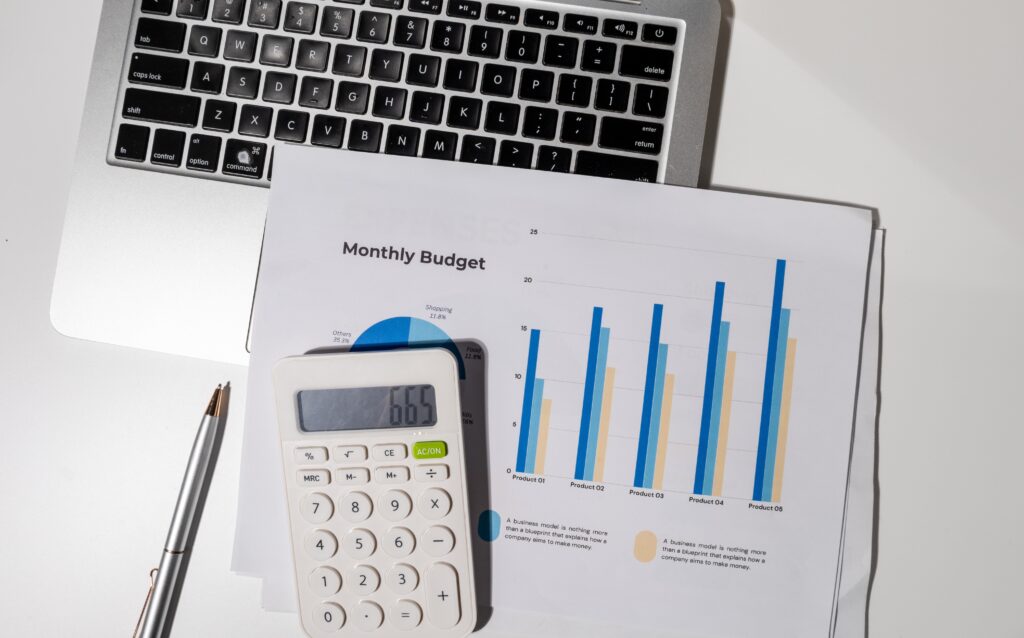
Manual tracking booklets make people more aware of their spending. Writing expenses by hand creates better awareness of money flow.
The Budget Mom’s Paycheck Workbook organizes finances around pay periods. This planner breaks down money management into simple steps that match real-world earning cycles.
Clever Fox Planning System offers monthly and weekly layout options. Users get spaces for:
- Monthly bills
- Saving targets
- Debt reduction plans
- Weekly expense tracking
Electronic spreadsheet options work well for tech-savvy folks. Programs like Excel and Google Sheets calculate totals automatically and create reports without manual math.
Hybrid approaches mix written tracking with digital analysis. Some people jot down daily purchases in notebooks, then use online tools for deeper review and planning.
These planning methods help people build wealth at any income. Consistent tracking and smart management matter way more than a massive salary.
Digital Tools for Building Money

Smart apps and tech gadgets can make wealth building way easier. You can track spending without ever touching a calculator.
Money tracking programs connect to bank accounts and sort purchases into categories. Apps like Mint show exactly where your dollars go each month.
Set spending limits for food, entertainment, and other areas. Investment platforms let anyone start investing with just a few bucks.
Some apps round up your purchases and invest the spare change. Buy a $4.50 coffee, and the extra 50 cents gets invested automatically.
Money planning tools help you picture your future wealth. Compound interest calculators show how $25 a month can grow into thousands over time.
Digital budgeting systems work like old-school cash envelopes but on your phone. You can move money into categories and watch your balances in real time.
Receipt scanning programs help track business costs by taking photos of receipts. Freelancers and side hustlers use these to find tax savings and keep better records.
These tools turn complex money tasks into simple daily habits. Over time, those habits can build real wealth.
Your Path Forward to Financial Success

Building wealth on a modest income? It’s totally doable, but you’ve gotta be intentional. The first step is realizing you have more power over your financial life than you might think—salary isn’t the only factor here.
Success, in my experience, comes from sticking to a few time-tested strategies. Don’t wait around for perfect conditions; just start where you are.
The foundation of wealth building rests on three pillars. First, get a handle on your spending habits.
Second, look for ways to grow your income—maybe that means picking up new skills or finding extra ways to earn. Third, commit to investing regularly, even if it’s a small amount each time.
Essential Actions to Begin This Month
Taking action right away builds momentum. Start by making a budget that tracks every dollar—what comes in, what goes out.
This kind of clarity often reveals spending patterns you might not notice otherwise. You’ll probably spot a few areas where you could tighten up.
Open a high-yield savings account if you haven’t already. The interest rates beat what you’ll get at a typical bank.
Those extra dollars might not look like much at first, but over the years, they stack up. It’s a quiet way to build wealth in the background.
Start investing, even if it’s just a few bucks. Many platforms let you begin with $1.
The magic is in the habit, not the amount. Small, regular contributions add up.
Explore at least one side income idea. Pick something that fits your skills and your lifestyle.
Freelancing, delivery gigs, selling stuff online—there are options for everyone. A little extra income can really speed things up.
Creating Your 90-Day Action Plan
It’s easy to get overwhelmed, so let’s break it down. In month one, focus on the basics: build your budget, open accounts, and start tracking where your money goes.
Month two is all about tweaking and building habits. Adjust your budget based on what you learn, bump up your savings if you can, and start looking into investment options that make sense for you.
In the third month, ramp things up. By now, you should feel ready to invest a bit more, kick off or grow a side hustle, and maybe even try out a retirement account if you haven’t yet.
Investment Strategies for Limited Budgets
You don’t need a fortune to build a solid investment portfolio. Index funds give you instant diversification with just a small investment.
They usually come with low fees, and you don’t have to pick individual stocks. That’s a relief, honestly.
Exchange-traded funds work similarly but offer more flexibility. Many brokers let you buy fractional shares now, so you can invest in pricier stocks or funds with whatever you’ve got.
Try dollar-cost averaging—putting in the same amount at regular intervals. This way, you buy more when prices are low and less when they’re high, which helps smooth out the bumps.
Target-date funds are another hands-off option. As you get closer to retirement, they automatically shift your investments to reduce risk.
Maximizing Income Through Strategic Side Hustles
Extra income can make a huge difference. If you’ve got a marketable skill, freelancing can pay well—writing, design, consulting, or tutoring often land between $15 and $50 an hour.
Gig jobs like food delivery or rideshare driving are flexible. You can work when you want, without a long-term commitment.
Online businesses can bring in passive income down the road. Selling digital products, launching a course, or building an affiliate site takes effort upfront but can pay off over time.
Don’t overlook local service businesses. Pet sitting, cleaning, lawn care, or handyman work can provide steady cash flow, and there’s often less competition than online.
Optimizing Budget Management Systems
Good budgeting keeps your money from slipping through the cracks. Zero-based budgeting gives every dollar a job before the month even starts.
The envelope method works well for stuff like groceries or entertainment. Whether you use real cash or an app, it helps keep spending in check.
Automate what you can—set up automatic transfers to savings or investments. You’ll make progress without having to think about it every day.
Check in on your budget regularly. Monthly reviews help you spot trends and make smarter decisions next time around.
Building Essential Financial Knowledge
Financial education matters—a lot. When you understand compound interest, you see why starting early and staying consistent is so powerful.
Even small investments, given enough time, can turn into something meaningful. That’s the magic of compounding.
Learning about taxes can save you serious money. Using retirement accounts, tax-advantaged accounts, and deductions can keep more cash in your pocket.
Managing debt well keeps interest from eating away at your progress. Know which debts to tackle first and don’t be afraid to negotiate better terms.
Get familiar with investment basics. Understanding different assets, risks, and fees helps you avoid mistakes and grow your money smarter.
Measuring Progress and Staying Motivated
Track your net worth—it’s a simple way to see if you’re moving forward. Just add up your assets, subtract your debts, and check in monthly or quarterly.
Set goals you can actually measure. Instead of “save more,” try “save $1,000 in six months.” It’s easier to stay on track that way.
Celebrate your wins, even the small ones. Hitting your first $1,000, paying off a credit card, or saving 20% of your income? That’s worth a happy dance.
Honestly, you don’t need a massive salary to build wealth. Controlled spending, earning more, and consistent investing—those are the real drivers.
It takes patience and persistence, and you might never feel totally ready. But every day you wait is a day you miss out on growth, so why not start now?
Disclaimer: Millennial Credit Advisers is not a licensed credit service provider or financial advisor. We do not offer credit repair, debt management, or legal services. Educate yourself on saving, reducing debt, and managing credit for economic improvement. Understand credit reports, scores, and financial products. Consult a financial advisor for personalized guidance. Track your progress for an improved credit journey.
Written content – “Please view our complete AI Use Disclosure.”
We enhance our products and advertising by using Microsoft Clarity to understand how you interact with our website. Using our site, you agree that we and Microsoft can collect and utilize this data. Our privacy policy provides further details.