How to Build Credit in Your 20s. Essential Strategies for Financial Success. Find Out More In Our Latest Article.
THIS ARTICLE MAY CONTAIN AFFILIATE LINKS, MEANING I GET A COMMISSION IF YOU DECIDE TO MAKE A PURCHASE THROUGH MY LINKS AT NO COST TO YOU. PLEASE READ MY AFFILIATE DISCLOSURE FOR MORE INFO.
DON’T HAVE TIME TO READ THE FULL ARTICLE. HERE’S WHAT YOU ARE MISSING.
- How to Build Credit in Your 20s. Essential Strategies for Financial Success. Find Out More In Our Latest Article.
- Understanding Credit Basics
- Why Building Credit Early Matters
- Practical Steps to Build Credit in Your 20s
- Smart Strategies for Maintaining Good Credit
- Mistakes to Avoid When Building Credit
- Advantages of Strong Credit in Your 20s
- Disadvantages and Challenges of Early Credit Building
- Leveraging Resources for Credit Education
- Key Takeaways
- Frequently Asked Questions
Your twenties are, in fact, the best time to establish a solid credit foundation. It’s a move that’ll pay off for decades.
Lots of young adults hit this decade with almost no credit history. That can make things like getting loans, renting an apartment, or even landing certain jobs surprisingly tough.

Building credit in your 20s means opening your first credit account, making payments on time, and keeping your credit utilization low. The sooner you start, the more time you have to build up a long credit history—something that makes up 15% of your score.
Smart credit moves in your 20s can lead to better loan rates, easier mortgage approvals, and more financial doors opening later on.
Key Giveaways
- Opening your first credit card or becoming an authorized user helps you start an initial credit history.
- Making payments on time is hands-down the most important thing for good credit.
- Keeping your credit card balances low compared to your credit limits will boost your score over time.
Understanding Credit Basics

Building credit in your twenties starts with actually understanding how the whole system works. Your credit score affects loan approvals, interest rates, and even where you live.
Credit reports track your financial history across all your accounts. They’re basically your financial report card.
What Is a Credit Score?
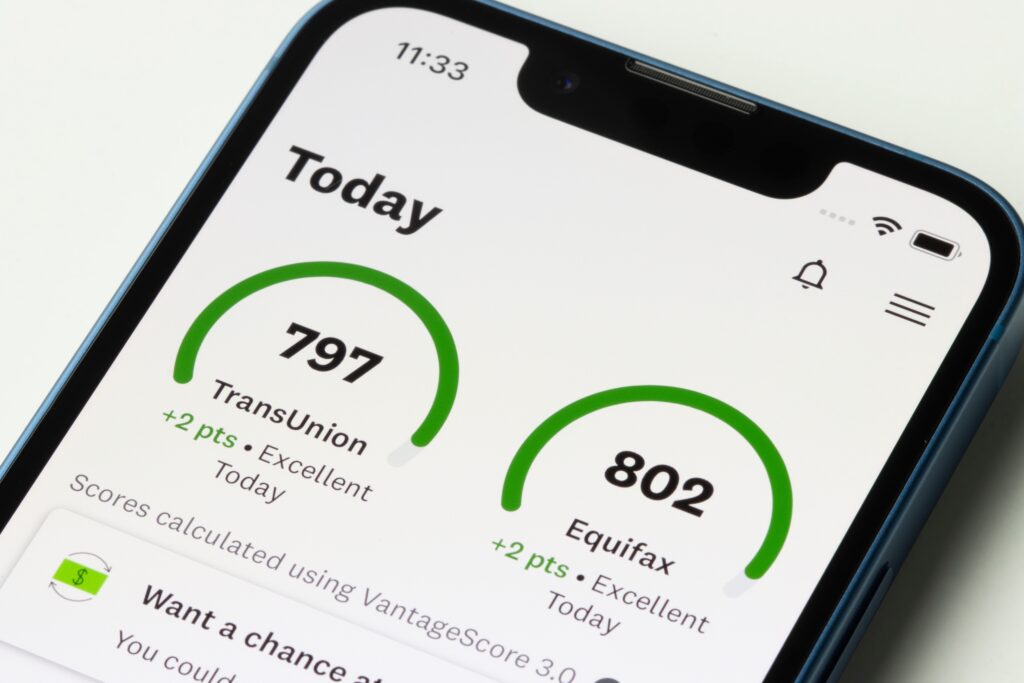
A credit score is just a three-digit number—300 to 850—that shows how likely you are to pay back borrowed money. Higher scores mean better loan terms and lower rates. Simple as that.
- Excellent: 800-850
- Very Good: 740-799
- Good: 670-739
- Fair: 580-669
- Poor: 300-579
Most lenders use FICO scores, but you’ll see VantageScore pop up too. Both pull from similar data but crunch the numbers a bit differently.
Credit scores update every month as lenders report new info. Get above 700, and you’ll start seeing better credit card and loan offers. Dip below 600, and approvals get way harder.
Most people in their twenties start out with no score at all. Lenders call this “credit invisible.” Building that first score takes time and steady payment history.
How Credit Reports Work
Credit reports keep a detailed record of your borrowing and payment history. The big three companies—Experian, Equifax, and TransUnion—put these reports together.
Each report lists:
- Personal info (name, address, Social Security number)
- Credit accounts and payment history
- Public records like bankruptcies or tax liens
- Credit inquiries from lenders
Lenders update the bureaus every month. Late payments, new accounts, even closed cards—all of that shows up. Different items stick around for different amounts of time.
Reporting Timeline:
- Most negative items: 7 years
- Bankruptcies: 7-10 years
- Hard inquiries: 2 years
- Positive accounts: Up to 10 years after closing
You can grab free credit reports from each bureau once a year at AnnualCreditReport.com. Checking these helps you catch errors or spot identity theft early.
Types of Credit Accounts
Credit accounts fall into two main types. Revolving credit means credit cards and lines of credit. Installment creditcovers loans with fixed payments.
Revolving Credit:
- Credit cards
- Home equity lines of credit
- Personal lines of credit
Installment Credit:
- Auto loans
- Student loans
- Mortgages
- Personal loans
Credit mix counts for 10% of your FICO score. Having both types shows you can handle different debts. Still, payment history and credit utilization matter way more than variety.
Store cards and secured credit cards also count as revolving credit. They’re often the first step for people with no credit history.
Factors Influencing Your Credit Score
Five factors shape your credit score, each with its own weight. Knowing these helps you focus on what’s actually important.
Payment History (35%): Making payments on time every month has the biggest impact. Even one late payment can drop your score by 60-100 points. Setting up auto-pay is honestly a lifesaver here.
Credit Utilization (30%): This is just how much of your available credit you’re using. Keeping balances under 30% of your limits helps. If you can keep it under 10%, even better.
Length of Credit History (15%): Older accounts help your score more. Try to keep your first credit cards open, even if you barely use them.
Credit Mix (10%): A mix of account types shows lenders you can handle different forms of credit.
New Credit (10%): Opening a bunch of new accounts quickly can ding your score. Each hard inquiry knocks it down a few points, at least for a bit.
Why Building Credit Early Matters

Getting started on your credit in your twenties opens up better interest rates, higher approval odds, and access to premium financial products. If you build credit early, you’ll probably have an easier time with big purchases and major milestones down the road.
Long-Term Financial Benefits
Lower Interest Rates Save Thousands
People who start building credit early usually qualify for interest rates 3-5% lower than folks with little credit history. On a $300,000 mortgage, that’s about $200 less per month and over $70,000 saved in total interest. Not exactly pocket change.
Higher Credit Limits and Better Terms
With a longer credit history, you get bigger borrowing power. Credit card companies offer higher limits, and banks often give better loan terms or waive certain fees if your credit’s strong.
Access to Premium Financial Products
Some rewards cards and exclusive banking perks need excellent credit. These can offer 2-5% cash back, travel bonuses, and sign-up offers worth $500 or more. If you’ve got good credit early, you can snag these perks sooner.
Credit’s Role in Major Life Goals
Home Ownership Becomes Achievable
Mortgage lenders usually want to see scores of 620 or higher for conventional loans. If you’re above 740, you get the best rates and might only need a 3% down payment. Building credit from scratch takes patience, but it pays off.
Career and Business Opportunities
Some employers check credit during hiring, especially in finance, government, or management. Poor credit can actually keep you out of certain jobs.
If you want to start a business, good credit helps you get business loans and lines of credit faster. You’ll also get better terms on equipment or real estate financing.
Educational Financing Options
Grad school and professional programs sometimes require private loans beyond federal aid. If you’ve got a solid credit history, you’ll get lower interest rates on those private loans. Some lenders even waive cosigner requirements if your credit’s good.
Potential Risks of Neglecting Credit
Limited Housing Options
Landlords almost always check credit scores before renting. With bad or no credit, you might get rejected, need a bigger deposit, or have to find a cosigner. Some landlords even tack on extra fees for applicants with limited credit history.
Higher Insurance Premiums
Auto and home insurers use credit scores to set premiums in most states. Poor credit can bump up your insurance costs by 20-50% a year. Over time, that’s thousands of dollars wasted.
Difficulty During Emergencies
If you haven’t built credit, emergencies get a lot tougher. It’s harder to get loans for medical bills, repairs, or job loss. You might only qualify for high-interest options when you need money the most. That’s a rough spot to be in.
Setting the Foundation for the Future
Time Builds Credit History Length
Length of credit history makes up 15% of your FICO score. There’s really no shortcut here—opening accounts in your twenties gives you decades for this to grow.
Learning Financial Discipline Early
Managing credit teaches you to budget, track spending, and understand interest. These skills spill over into every part of your financial life. It’s not just about the score.
Compound Benefits Over Time
Better credit means lower costs, freeing up cash for savings and investments. Over the years, these benefits stack up, creating a big gap in wealth compared to people who start late.
Practical Steps to Build Credit in Your 20s
Ready to get started? Building credit isn’t rocket science—it just takes a few real steps. Open your first credit account, pay on time, and use your credit responsibly. That’s the core of it.
Opening Your First Credit Account
Getting your first credit card feels like a puzzle sometimes. Without any credit history, approval can be tough, and a lot of young adults run into this catch-22 where you need credit to get credit.
Starter Credit Card Options:
- Student credit cards designed for college students
- Secured credit cards that require a cash deposit
- Credit builder loans from credit unions
- Store credit cards with easier approval requirements
Secured credit cards are often a solid starting point. You put down a deposit—usually $200 to $500—and that becomes your credit limit.
This setup lowers risk for the lender and gives you a chance to build payment history.
Student cards are another option for college students. They usually require less to get approved and sometimes include educational resources about credit management.
Credit unions sometimes offer more flexible choices than big banks. You might find credit builder loans where you make payments into a savings account, then get the funds after paying it off.
Becoming an Authorized User
This approach lets you benefit from someone else’s good credit history. Parents or family members can add you as an authorized user on their credit accounts.
Key Requirements:
- The main account holder should have a strong payment record
- The account needs low credit utilization
- Both sides should understand how the arrangement works
As an authorized user, you get a card with your name on it, but you don’t have legal responsibility for payments.
The account activity shows up on your credit report, which helps you establish credit history.
Some card companies report authorized user activity to all three credit bureaus, while others only report to one or two. It’s worth checking how your issuer handles this before you start.
The main cardholder’s habits directly affect your credit. If they pay late or rack up high balances, both your scores could take a hit.
Responsible Credit Card Usage
Smart credit card habits really lay the groundwork for strong credit scores. It’s so important to learn good patterns early to steer clear of expensive mistakes.
Essential Usage Guidelines:
| Practice | Target | Impact on Credit |
|---|---|---|
| Credit utilization | Under 30% of limit | High impact |
| Payment timing | Before due date | High impact |
| Account monitoring | Monthly review | Medium impact |
| Spending control | Within budget | Indirect impact |
Keeping your balances low compared to your credit limits really helps your score. If you can keep it under 10%, that’s even better.
Paying off your balance in full every month means you avoid interest charges. It also shows future lenders you know how to handle credit responsibly.
As a new credit user, it’s smart to avoid cash advances and balance transfers. These moves usually come with higher interest rates and extra fees.
Establishing a Consistent Payment History
Payment history makes up 35% of your credit score. That’s the biggest piece of the puzzle, so on-time payments should always come first.
Payment Strategy Tips:
- Set up automatic minimum payments
- Pay more than the minimum when you can
- Use calendar reminders for due dates
- Pay twice a month to keep balances lower
Automatic payments help you avoid missing due dates, especially when life gets busy. Most card companies offer this for free.
Paying extra—even just $25 more—reduces interest and shows you manage money well. That can make a real difference over time.
Making more than one payment a month can keep your reported balances lower. Remember, card companies usually report your balance on the statement closing date, not the payment due date.
Missing payments early on can really hurt. Late payments stick around on your credit report for seven years and hit your score hard at first.
Smart Strategies for Maintaining Good Credit
Once you’ve got credit, keeping it healthy takes steady effort and smart habits. The big three: manage how much credit you use, keep an eye on your credit reports, and mix up your credit accounts wisely.
Keeping Credit Utilization Low
Credit utilization is a big deal for your score. It measures how much credit you’re using compared to your total available limit.
Optimal utilization rates should stay below 30%—on each card and overall. If you can, keep it under 10% for the best shot at a great score.
Say you have a $1,000 limit—try to keep your balance below $100. High utilization sends a red flag to lenders.
Payment timing matters a lot. Card companies report your balance to credit bureaus on different days. Paying before your statement closes keeps your reported balance lower.
Some people make a few smaller payments each month. That way, balances don’t get out of hand before the payment goes through.
Requesting a credit limit increase can help your utilization ratio without changing your spending. If your limit goes from $1,000 to $2,000, a $500 balance suddenly looks a lot better.
Most issuers allow you to request a higher limit every six months or so. Proven strategies to maintain high credit scores always mention keeping utilization low.
Monitoring Your Credit Reports
Checking your credit reports regularly helps you spot errors or fraud before they mess up your score. Everyone gets three free reports a year—one from each major bureau.
Look at all three bureaus—Experian, Equifax, and TransUnion. They can have different info, so it’s worth the extra effort.
If you space out your requests, you can keep tabs all year. Maybe check one in January, another in May, and the last in September.
Common errors include wrong balances, duplicate accounts, incorrect payment histories, or accounts that aren’t yours.
Identity theft can show up as new accounts or strange charges. The sooner you catch it, the better your chances of fixing things quickly.
Dispute errors right away to protect your score. Credit reports show borrowing history, and fixing mistakes fast keeps your credit healthy.
Disputes usually take about 30 days. The bureaus have to investigate and correct or remove any proven errors.
Free monitoring services from your bank or card company can help, too. They alert you to changes, new accounts, or possible fraud.
Managing Different Credit Types
Credit scores favor people who handle different types of accounts well. This is called your credit mix and it makes up about 10% of your score.
Revolving credit covers credit cards and lines of credit. You borrow up to a set limit and pay at least a minimum each month.
Installment loans have fixed payments and a set payoff date—think car loans, mortgages, student loans, or personal loans.
Retail accounts are things like store cards or special financing for furniture or electronics.
Build your credit mix slowly—there’s no rush. Opening a bunch of new accounts at once causes hard inquiries and can drag your score down temporarily.
You might start with a credit card, pick up a car loan when you need wheels, and maybe a mortgage down the road.
Don’t take on debt just for the sake of variety. Chasing the perfect mix can lead to overspending and headaches.
Building comprehensive credit history takes patience. Every account type has its use, and together they make your credit stronger.
Account age matters, too. Keep your oldest accounts open—even if you barely use them. That helps your average account age and supports your score.
Mistakes to Avoid When Building Credit

It’s easy to make credit mistakes early on, and some can haunt your score for years. The big ones? Missing payments, applying for too many cards too fast, and ignoring your credit report.
Missing or Late Payments
Payment history makes up 35% of your credit score. Even a single late payment can drop your score by 60 to 110 points.
Card companies usually report late payments after 30 days. That black mark sticks around for seven years.
Setting up automatic payments is a lifesaver. It’s easy to forget due dates when you’re busy with school, work, or everything else.
Payment timing matters:
- Paying before the due date helps your score
- Paying 1-29 days late might mean fees but usually doesn’t hurt your score
- Paying 30+ days late gets reported and drags your score down
Always pay at least the minimum. Paying in full saves you from interest and helps you build a positive record faster.
Applying for Too Much Credit
Every credit application triggers a hard inquiry, which can knock your score down by 3-5 points. Too many applications in a short span makes lenders nervous.
Card companies may start denying you if you have too many recent inquiries. That can create a frustrating cycle where building credit becomes more difficult.
Safe application practices:
- Wait at least six months between card applications
- Check your approval odds before applying
- Start with one secured or student card
Stick to using your current credit wisely instead of chasing more cards. Two or three cards are usually plenty for building strong credit.
Store credit cards tend to have high interest and low limits. If your balance gets too high, it can mess with your utilization ratio.
Ignoring Your Credit Report
Credit reports can have mistakes that unfairly lower your score. About 25% of reports have errors that could affect your credit decisions.
Common mistakes: late payments that were actually on time, accounts that aren’t yours, or closed accounts listed as open.
You can check your credit reports free every year from each bureau at annualcreditreport.com. Lots of people use free monitoring services, too.
What to review:
- Your personal info
- Payment histories
- Balances and credit limits
- Accounts you don’t recognize
Disputing errors takes a little time, but it can raise your score quickly. Bureaus have to investigate within 30 days and fix any proven mistakes.
Regular checks can help you catch identity theft early. Thieves often target young adults who don’t check their credit as often.
Advantages of Strong Credit in Your 20s

Building strong credit early opens up better financial products with lower costs. Young adults with good credit scores can snag premium rewards cards and qualify for loans on big purchases, like cars or homes.
Better Loan and Credit Card Offers
Lenders tend to save their best products for folks with excellent credit. If your score’s above 740, you might get premium credit cards with 2-5% cash back, travel perks, and purchase protection.
Most standard cards for fair credit only offer about 1% cash back. Premium cards sometimes drop annual fees for those who qualify, and a few even toss in sign-up bonuses worth $200-500 if you hit certain spending goals.
Strong credit makes auto loans way more accessible. Banks and credit unions give their lowest rates to those with great scores. You can build credit from scratch with secured cards or student-focused products.
Personal loans for consolidating debt or covering big expenses come with lower rates if you qualify. Online lenders and banks actually compete for customers with excellent credit, sometimes offering rates as low as 6-8% APR.
Lower Interest Rates
Interest rates can save—or cost—you thousands over time. Someone with excellent credit might see a 4% auto loan, while fair credit could mean paying 8-12% for the same amount.
Credit Score Ranges and Typical Rates:
- Excellent (750+): 3-5% auto loans, 15-20% credit cards
- Good (670-749): 5-8% auto loans, 18-25% credit cards
- Fair (580-669): 8-15% auto loans, 22-28% credit cards
That difference really adds up. A $20,000 car loan at 4% costs $368 a month for five years. At 10%, you’re looking at $425 a month—an extra $3,420 over the life of the loan.
Credit card interest hits hard if you carry a balance. A $3,000 balance at 18% APR is tough enough, but at 25% it drags on even longer and costs more.
Increased Housing Opportunities
Landlords almost always check credit scores before approving renters. In popular areas, strong credit can set you apart from the crowd.
Many landlords want to see scores above 650. High-end apartments or condos might ask for 700 or more. If your credit’s poor, you might need a cosigner or a bigger security deposit.
Good credit and a steady income make homeownership possible. FHA loans need a minimum 580 score with 3.5% down. Conventional loans require 620+, but you get better terms and cheaper monthly insurance.
Mortgage rates swing a lot based on credit. A 30-year $300,000 mortgage at 6.5% runs $1,896 a month. Bump the rate to 7.5% and it’s $2,098. That’s $200 a month saved just by having stronger credit.
Disadvantages and Challenges of Early Credit Building

Building credit in your twenties brings real risks. It’s easy to overspend, make mistakes, or rack up debt you can’t handle.
Potential for Overspending
Credit cards and loans can create a false sense of financial freedom, especially for those with limited income. Suddenly, there’s access to thousands in credit—tempting, right?
Swiping a card doesn’t feel the same as handing over cash. That disconnect makes impulse buys and overspending way too easy.
Budgeting with credit is tough at first. Many don’t realize how interest snowballs or how long it takes to pay off a balance. A $1,000 balance can stick around over five years if you only make minimum payments.
Credit limits aren’t spending money. That’s a lesson a lot of us learn late. Just because you have a $3,000 limit doesn’t mean you should use it—especially if you’re making $25,000 a year.
Impact of Errors on Future Applications
Mistakes you make in your twenties can haunt you for years. Late payments stick to your credit report for seven years, and one missed payment could drop your score by 60-110 points.
Many young adults don’t really get how credit applications work. Every hard inquiry can drop your score by 5-10 points. Applying for too many cards at once scares off lenders.
Common early credit mistakes include:
- Missing payment due dates
- Applying for too many accounts at once
- Closing old credit cards
- Maxing out credit limits
- Not monitoring credit reports
These errors get more expensive over time. Poor credit from your twenties can mean thousands extra in mortgage interest or even getting denied for an apartment.
The challenges associated with credit card use show why managing credit responsibly from the start really matters.
Risks of Debt Accumulation
Debt can pile up fast if you don’t plan ahead. Credit cards for new borrowers often have sky-high rates—18-29% isn’t unusual.
Young adults deal with unique pressures: college bills, moving, and low starting salaries. Credit can seem like a fix, but it usually just adds to the mess.
Warning signs of debt accumulation:
- Making only minimum payments
- Using cash advances
- Borrowing from one card to pay another
- Having credit card balances that never decrease
Student loans make things even trickier. Someone might graduate with $30,000 in loans and then add credit card debt on top. That combo can get overwhelming fast.
When misused, credit can result in default, bankruptcy, and loss of creditworthiness. These consequences can stick around for years and limit future options.
Research shows that taking on more credit can overextend some borrowers. People sometimes just can’t juggle their existing debt and new credit at the same time.
Leveraging Resources for Credit Education

Smart credit building needs good info and real guidance. Young adults can tap into free tools, reliable educational sites, and professional counseling to make better decisions.
Using Online Financial Tools
Credit monitoring apps like Credit Karma, Credit Sesame, and Mint give you free access to your scores and reports. These update monthly and send alerts about changes.
Budget calculators help you figure out how much debt you can handle. The 28/36 rule says housing should be under 28% of gross income, and total debt payments under 36%.
Credit simulators let you see how actions like paying down balances or opening accounts might affect your score. Handy for planning your next move.
Educational websites break down credit basics step by step. Many banks and credit unions offer free resources, and government sites like MyMoney.gov are solid, too.
Mobile apps make tracking easier for busy people. Setting up alerts helps catch errors and avoid missed payments.
Finding Reliable Credit Guidance
Non-profit organizations offer honest credit education, no sales pitch. The National Foundation for Credit Counseling has free workshops and online classes. Jump$tart Coalition focuses on financial literacy for young adults.
Library resources include books, databases, and free personal finance classes. Lots of libraries team up with banks to host credit workshops, including how to build credit from scratch.
College financial aid offices can help students understand how loans affect credit and offer advice on first credit cards. Some even partner with local credit unions for special programs.
Reputable financial websites like NerdWallet and Bankrate compare credit products without bias. They explain terms clearly and point out risks. Always double-check info from a few trusted sources.
It’s smart to avoid credit repair companies that promise quick fixes or charge upfront. Legit help comes from certified counselors at non-profits.
Seeking Professional Credit Counseling
Certified credit counselors have special training and follow ethics rules. They’ll review your full situation and help you make a plan. Sessions usually cost $25-50, or nothing if you use a non-profit.
Debt management plans roll multiple payments into one. Counselors work with creditors to lower interest or waive fees. These plans usually last three to five years.
Housing counseling agencies approved by HUD help future homebuyers understand how credit scores affect mortgage rates and down payments. That way, you can set realistic goals.
When to seek help? If you’ve got late payments, maxed-out cards, or just feel lost about credit basics, it’s time. Getting help early keeps problems from snowballing.
Professional counselors stay neutral and focus on education, not selling products. They’ll help you build a budget and set healthy habits for the long run.
Key Takeaways

Building credit in your twenties takes smart choices and a bit of caution. Understanding what works—and what can trip you up—makes all the difference for your financial future.
Tips for Success in Your 20s
Start with a secured credit card if you don’t have any credit history yet. These cards ask for a deposit, which sets your credit limit.
Most banks offer secured cards with pretty low fees. They’re a solid first step.
Keep credit utilization below 30% of your available limit. So if your card has a $1,000 limit, try to use no more than $300.
Staying below this threshold signals to lenders that you manage credit responsibly. It might feel limiting, but it really helps.
Pay bills on time every month. Your payment history makes up about 35% of your credit score.
Set up automatic payments so you don’t accidentally miss a deadline. Late fees are the worst.
Become an authorized user on a parent’s or trusted family member’s credit card. Their good payment habits can boost your score fast.
Just make sure their credit’s in great shape first. Otherwise, you might inherit their problems.
Apply for student credit cards if you’re in college. These cards are easier to get and sometimes offer rewards for good grades.
Common Pitfalls to Watch Out For
Avoid closing your first credit card even if you barely use it now. Closing old accounts can shorten your credit history and lower your score.
Don’t apply for multiple cards at once. Each new application triggers a hard inquiry that dings your score for a bit.
Space out applications by at least six months. It’s tempting to grab all those sign-up bonuses, but patience pays off.
Never max out credit cards. Using your full credit limit makes lenders nervous.
They’ll think you’re struggling with debt, even if you’re not. Keep some breathing room on those cards.
Don’t ignore credit reports. Check them for free at annualcreditreport.com up to three times a year.
Look for mistakes or suspicious activity. Errors can drag your score down for no good reason.
Avoid co-signing loans for friends or partners. If they miss payments, your credit takes the hit too.
You’ll end up responsible for their debt. It’s a risky move, so think twice.
Best Practices for Long-Term Credit Health
Build a mix of credit types as you go. Having both credit cards and installment loans shows you can handle different debts.
Don’t rush it, but keep an eye out for opportunities to diversify. It’s not just about quantity—it’s about balance.
Monitor your credit score monthly with free services like Credit Karma or your bank’s app.
If you spot a problem, act quickly before it snowballs. Staying on top of your score is half the battle.
Keep old accounts open even if you barely use them. Older accounts help your average account age, which boosts your score.
It might seem pointless, but that history matters. Just don’t let them go dormant.
Set up balance alerts on your credit cards. These notifications help you stay under 30% utilization without constantly checking.
It’s easy to lose track, so let your phone do the nagging.
Create an emergency fund before leaning on credit. Having $500 to $1,000 set aside means you won’t need to reach for the card during tough times.
That cushion keeps your utilization low and your payments on track.
Frequently Asked Questions
Building credit in your twenties can feel daunting, but it’s all about knowing where to start. There are steps you can take with credit cards, monitoring, and just avoiding some classic mistakes.
What are the initial steps to establish credit in your twenties?
Start with your first credit account—a student credit card or a secured card is usually the move. These options don’t require much (if any) credit history and get you started.
Try becoming an authorized user on a parent’s card if they’re up for it. You’ll benefit from their good payment record and the age of their account.
Consider a credit builder loan through a bank or credit union. You’ll make monthly payments into a savings account, and get the money after you finish the loan.
Students can also look for campus-based financial products. Some banks offer student checking accounts that lead to pre-approved credit card offers.
Can you outline the advantages of building a strong credit profile early in life?
Building credit early gets you better interest rates on future loans—think mortgages or car loans. A strong score in your twenties can save you thousands in interest over the years.
Landlords often check credit when you apply for apartments. With solid credit, you’ll have a leg up in competitive markets and might even skip security deposits.
Some employers check credit reports during hiring, especially in finance or government. Good credit can help you stand out as responsible.
Insurance companies use credit scores to set premiums in many states. Better credit usually means lower rates on auto and homeowner’s insurance.
Starting early gives you a longer credit history, which is 15% of your score. That age factor becomes more important as time goes on.
What common pitfalls should be avoided when trying to build credit in your 20s?
Maxing out cards hurts your utilization ratio. Try to stay under 30% of your available credit—it’s a big deal for your score.
Missing payments leaves negative marks that stick around for seven years. Even one late payment can drop your score by a lot.
Opening too many accounts too fast creates hard inquiries that lower your score for a while. Each one can knock off a few points.
Closing old accounts reduces your available credit and shrinks your average account age. Both hurt your score more than you’d expect.
Cosigning loans for friends or partners means you’re on the hook if they default. Their missed payments become your problem too.
How frequently should young adults check their credit scores and reports?
Check your credit reports from all three bureaus at least once a year at AnnualCreditReport.com. It’s free and helps you catch errors or fraud early.
Look at your credit scores monthly through free services or your credit card company. Many banks offer free score tracking these days.
Before big moves—like applying for a loan or an apartment—check your credit reports and scores. You want time to fix anything weird before you apply.
If you pay off debt or make big financial changes, check your score to see the impact. Scores usually update every month.
What are some effective strategies for managing credit cards at a young age?
Set up automatic payments for at least the minimum due. Paying the full balance avoids interest, but at the very least, don’t miss a payment.
Use credit cards for regular stuff like gas or groceries to keep the account active. Pay off those balances right away to keep utilization low.
Try to use only 10-20% of your available credit if you can swing it. Lower utilization looks great to credit scoring models.
Make a monthly budget that includes your credit card payments. Treat your card like a debit card—if you can’t pay it off, don’t spend it.
Avoid cash advances and balance transfers if possible. They come with higher fees and interest rates than regular purchases, and it’s rarely worth it.
How do secured credit cards work in building a credit history?
Secured credit cards ask for a cash deposit, usually matching your credit limit. That deposit gives card issuers a safety net, making it easier for folks with little or no credit to get approved.
You can use a secured card just like a regular credit card for shopping or paying bills. Each month, your payment activity gets reported to the major credit bureaus.
Deposits usually start around $200 and can go up to $2,500, which sets your credit limit. If you add more money, you get a higher limit and a little more breathing room for spending.
After about 6 to 12 months of steady, on-time payments, many people can move up to an unsecured card. At that point, the issuer sends your deposit back and might even bump up your credit limit.
Some secured cards toss in perks like rewards or extra benefits, just like traditional cards. Still, you might have to pay an annual fee—so it’s worth checking the fine print.
Disclaimer: Millennial Credit Advisers is not a licensed credit service provider or financial advisor. We do not offer credit repair, debt management, or legal services. Educate yourself on saving, reducing debt, and managing credit for economic improvement. Understand credit reports, scores, and financial products. Consult a financial advisor for personalized guidance. Track your progress for an improved credit journey.
Written content – “Please view our complete AI Use Disclosure.”
We enhance our products and advertising by using Microsoft Clarity to understand how you interact with our website. Using our site, you agree that we and Microsoft can collect and utilize this data. Our privacy policy provides further details.