
Credit Tips For Young Adults. Essential Strategies To Build Your Financial Future. Find Out More In Our Latest Article.
THIS ARTICLE MAY CONTAIN AFFILIATE LINKS, MEANING I GET A COMMISSION IF YOU DECIDE TO MAKE A PURCHASE THROUGH MY LINKS AT NO COST TO YOU. PLEASE READ MY AFFILIATE DISCLOSURE FOR MORE INFO.
DON’T HAVE TIME TO READ THE FULL ARTICLE. HERE’S WHAT YOU ARE MISSING.
- Credit Tips For Young Adults. Essential Strategies To Build Your Financial Future. Find Out More In Our Latest Article.
- Build A Strong Credit Foundation
- Understanding Credit and Its Importance
- Steps to Build Credit Effectively
- Choosing the Right Credit Card
- Responsibly Managing Credit
- Advantages of Building Credit Early
- Disadvantages and Pitfalls to Avoid
- Establishing Strong Financial Habits
- Resources and Tools for Young Adults
- Credit Tips for Young Adults in the Digital Age
- Frequently Asked Questions
Building good credit as a young adult can feel overwhelming. Still, it’s one of the most important financial steps you can take early on.
Starting credit habits in your twenties sets you up for decades of financial wins, from renting apartments to eventually buying a home. Too many young adults make costly mistakes just because nobody ever explained how credit actually works.

Young people today face some unique hurdles when building credit. Limited income, student loans, and not much knowledge about financial systems can make things tricky.
But honestly, there are advantages too—like time and easy access to educational resources that older generations just didn’t have. If you pick up the basics early and avoid common traps, you’re already ahead of the game.
Simple moves like paying bills on time, keeping credit card balances low, and checking your credit reports can make a world of difference. With some intention and patience, you can build strong credit scores and open up a lot more financial freedom down the road.
Key Giveaways
- Building credit early opens doors and makes big purchases way more affordable.
- Habits like paying bills on time and keeping balances low are the backbone of good credit.
- It’s smart to avoid mistakes like overspending or ignoring your credit reports.
Build A Strong Credit Foundation

You can build a strong credit foundation by nailing down the basics of credit and making smart financial choices early on. The right approach to credit cards and dodging the usual mistakes sets you up for long-term wins.
Understanding Credit Essentials
Credit scores run from 300 to 850. Most young adults start with no credit history at all.
If your score lands between 670 and 739, that’s considered good. Excellent credit means 740 or higher.
Payment history is the biggest piece—35% of your score. Paying bills on time matters more than anything else for your credit health.
Credit utilization makes up 30%. Try to keep your balances under 30% of your credit limit. If your card limit is $1,000, don’t let your balance go over $300.
Length of credit history is 15% of your score. That’s why starting early helps so much. The longer your accounts stay open, the better your credit looks.
Credit mix and new credit inquiries each count for 10%. Having a mix of credit types helps, but don’t rush to open a bunch of accounts at once.
Building Credit Responsibly
Start simple. One credit card is enough for most people just getting started.
Use it for small, regular purchases—maybe a streaming subscription—and set up automatic payments. That way, you never miss a payment.
Secured credit cards are a great starting point if you don’t have any credit yet. You put down a deposit, and that becomes your credit limit.
After a few months of on-time payments, many companies will upgrade you to a regular card. It’s a nice way to prove yourself without taking on too much risk.
Another option: become an authorized user on a parent’s card. Their account history appears on your credit report, helping you build a foundation.
Check your credit reports regularly from Experian, Equifax, and TransUnion. You get a free report from each bureau every year.
Automatic payments are your friend. Missing a payment can knock your score down by 60 to 100 points, and that late mark sticks around for seven years.
Avoiding Common Young Adult Mistakes
Maxing out credit cards is one of the worst moves. High balances kill your score and the interest piles up fast.
Don’t go wild applying for a bunch of cards at once. Every application is a “hard inquiry” and can drop your score by 5 to 10 points.
Only making minimum payments? That’s a trap. A $1,000 balance at 20% interest could take over five years to pay off if you only pay the minimum.
Keep your oldest credit card open, even if you barely use it. Closing it shortens your credit history and reduces your available credit.
Think twice before co-signing loans for friends. If they miss payments, your credit takes the hit and you’re on the hook for the debt.
Cash advances on credit cards come with extra fees and sky-high interest. Most cards charge a 3-5% fee plus immediate interest, no grace period at all.
Smart Credit Card Selection
For your first card, look for one with no annual fee. There’s no reason to pay extra just to build credit.
Student credit cards are easier to get and sometimes offer cash back on things like gas and groceries. Their lower limits can also help keep you from overspending.
Make sure your card has fraud protection and zero liability for unauthorized charges. That’s especially important for online purchases and digital payments.
Some cards come with educational tools to help you track spending and monitor your score. Look for ones that send alerts if your balance gets high or a payment’s due.
Steer clear of cards with sky-high interest rates—anything above 25% APR is a red flag. Complicated rewards programs can be tempting, but they often push you to spend more than you should.
Honestly, simple cashback cards work best for most young adults. Travel rewards are nice, but cashback is straightforward and easy to use.
Pick a card that reports to all three credit bureaus. Some store cards only report to one, which limits your credit-building power.
Understanding Credit and Its Importance

Credit is the backbone for major financial decisions in a young adult’s life. If you understand how credit works and why it matters, you’ll open up better interest rates, easier loan approvals, and more financial stability.
How Credit Works for Young Adults
Credit is borrowed money that you pay back—with interest. When you apply for your first credit card or loan, lenders check your creditworthiness based on whatever financial info they can find.
Payment history is the biggest factor, making up 35% of your score. Every payment you make gets reported to the credit bureaus, and late payments can stick around for up to seven years.
Credit utilization counts for 30%. The general rule? Keep your balances under 30% of your available credit. So, if your limit is $1,000, don’t let your balance go over $300.
Length of credit history is 15%. The earlier you open your first account and keep it active, the better. You can even get a head start by becoming an authorized user on a parent’s card before you turn 18.
New credit inquiries and credit mix each make up 10%. Applying for a bunch of credit in a short time can ding your score temporarily.
The Role of Credit Scores in Financial Life
Credit scores run from 300 to 850. Lenders usually see anything above 670 as good credit.
With good credit, you get:
- Lower interest rates on car loans and mortgages
- Better credit card offers (think rewards and lower APRs)
- Easier apartment approvals and lower security deposits
- Better insurance rates in many states
Poor credit can mean loan denials or needing a cosigner. Some employers even check credit reports for financial jobs—wild, right?
Your credit score updates monthly as lenders report your activity. You can keep tabs on your score through free services from credit card companies or apps.
Impacts of Poor vs. Good Credit
Poor credit creates financial headaches that can stick around for years. If your score drops below 580, you’ll have a tough time finding affordable credit options.
Poor Credit Consequences:
- Interest rates 10-15% higher on loans
- Security deposits for utilities and cell phone plans
- Harder to rent an apartment
- Limited credit card choices, usually with high fees
- Higher insurance premiums in most states
Good Credit Benefits:
- Premium cards with cash back and travel rewards
- Mortgage rates that could save you hundreds of thousands over time
- No security deposits for utilities or rentals
- Pre-approved loan offers with better terms
- The chance to help family as an authorized user or cosigner
The difference adds up. Someone with excellent credit might get a 3% mortgage rate, while someone with poor credit pays 7%. On a $200,000 loan, that’s over $80,000 more in interest over 30 years.
Steps to Build Credit Effectively

Building credit takes a few specific steps, but it’s not rocket science. You just need to start somewhere, pay on time, and keep your credit use low.
How to Start with No Credit History
Young adults without credit history run into a classic catch-22. You need credit to build credit, but lenders want to see some history first.
Secured credit cards are usually the best place to start. You put down a cash deposit, and that becomes your credit limit.
The deposit lowers risk for the lender. It also gives you a shot to show you can handle payments.
Becoming an authorized user on a parent’s card can help too. If your parent pays on time, their good habits show up on your report.
This strategy works best when the primary cardholder never misses payments. If they’re late, it could hurt your score instead.
Your checking account might help you get a credit card from your own bank or credit union. Financial institutions that know your money habits may be more willing to take a chance on you than a company that’s never heard your name.
Student credit cards target college students with little or no credit. These cards often have smaller limits and higher interest rates, but they’re easier to get if you have a modest income.
Credit-builder loans are a different animal. You pay into a locked savings account, and after you finish all payments, the bank gives you the money.
Banks report each payment to the credit bureaus. It’s a slow-and-steady way to get positive marks on your credit report.
Establishing a Good Payment Record
Payment history is the biggest slice of your credit score—about 35%. Missing payments hurts more than anything else.
Paying on time, every time has to be your top priority. Late payments hang around on your credit report for seven years, and one slip can drop your score by 60 to 100 points.
Set up automatic payments to dodge mistakes. Most banks let you schedule minimum or full payments.
Automatic payments help you skip late fees and protect your credit. It’s a simple safety net.
Try to pay more than the minimum whenever you can. Bigger payments shrink your debt faster and show lenders you’re responsible.
Lenders get nervous when people only pay the minimum each month. It signals higher risk.
Track due dates for all your accounts. Mark them on a calendar or use phone reminders, because every card has a different due date.
Paying off your balance each month is the best way to build credit without overspending. You’ll avoid interest and look like a money management pro.
Report positive payment history from things like rent, utilities, or your phone bill. Services like Experian Boost can add these to your credit report.
That’s a nice shortcut for people with thin credit files. Every bit of positive history helps.
Understanding Credit Utilization
Credit utilization is how much of your available credit you’re actually using. It makes up about 30% of your score.
Keep utilization under 30% of your total limits. If you have a $1,000 limit, don’t let your balance go over $300.
Lower is better. If you can keep it in the single digits, your score will thank you.
People with top scores often use less than 5% of their available credit. That’s not always easy, but it’s worth aiming for.
Pay balances before your statement date to keep your reported utilization low. Cards report balances on the statement closing date, not the payment due date.
If you pay early, your utilization looks lower on your credit report. That’s a little-known trick that really works.
Request credit limit increases after six months of good payments. A higher limit drops your utilization ratio, even if your spending doesn’t change.
For example, a $500 balance looks much better against a $2,000 limit than a $1,000 limit. It’s all about the ratio.
Spread out your balances if you have more than one card. Maxing out a single card hurts your score more than having smaller balances on a few cards.
Don’t close old credit cards unless they charge annual fees. Closing cards shrinks your total available credit and bumps up your utilization ratio.
Keep old cards active with a small purchase every few months. That keeps your credit history nice and long.
Choosing the Right Credit Card
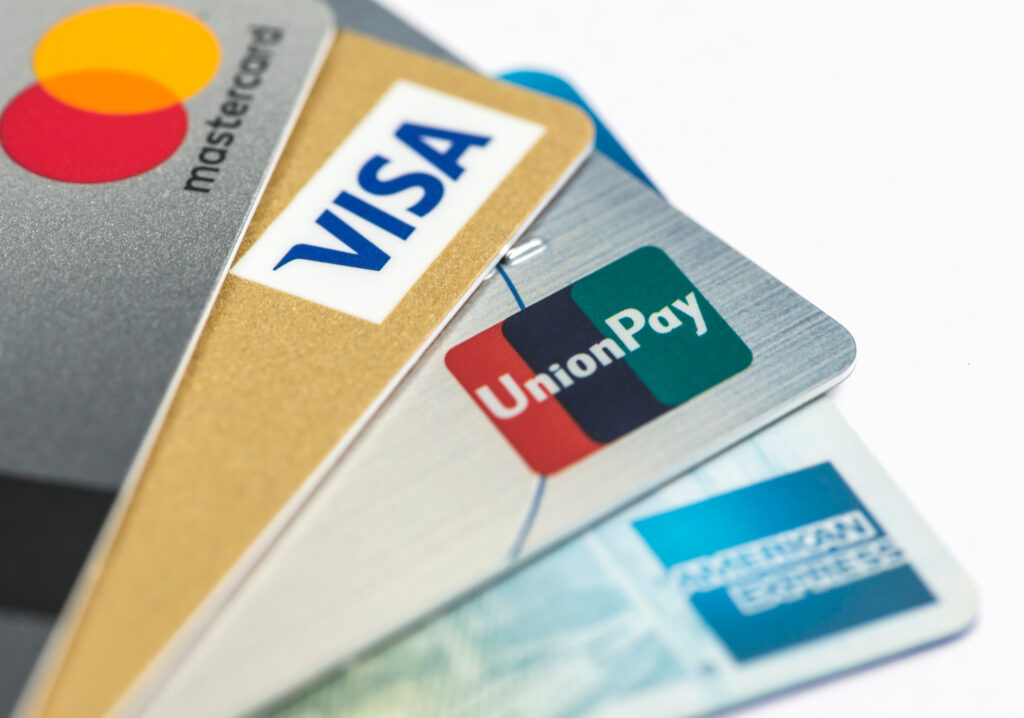
Picking your first credit card feels like a big decision. Student cards often work best for college students, while secured cards are great for building credit from scratch.
The right features can save you money and help you build credit faster. Not all cards are created equal, so it pays to look closely.
Comparing Student and Secured Credit Cards
Student credit cards are made for college students with little credit history. You’ll probably need to show you’re enrolled at an accredited school.
These cards usually have lower limits—think $300 to $1,000. That’s not much, but it’s enough to get started.
Student Card Benefits:
- No security deposit needed
- Possible credit limit increases over time
- Rewards programs for student spending
- Extra resources for learning about credit
Secured credit cards ask for a cash deposit, which sets your limit. A $500 deposit gives you a $500 limit.
The deposit acts as backup for the bank. If you close the account in good standing, you’ll usually get it back.
Secured Card Benefits:
- Easier to get approved with no credit
- Deposit is refundable when you close the account
- Reports to all three credit bureaus
- You might be able to upgrade to unsecured cards later
Student cards are better if you’re in school and have a steady income. Secured cards fit young adults who need to build or rebuild credit.
Best Features to Look for in a Credit Card
Try to dodge annual fees on your first card. Plenty of good starter cards don’t charge them, so you can save that $25 to $95 for something else.
Essential Features:
- 0% APR intro period: 12 to 21 months without interest on purchases
- Low ongoing APR: Under 20% after the intro period
- Free credit monitoring tools: Get your score and alerts
- Mobile app access: Manage your account and payments easily
Rewards are nice, but don’t let points or cash back be your only reason. A card that gives 1-2% back on purchases is good, but don’t chase rewards if it means overspending.
Some student cards offer better rewards for gas, groceries, or dining. That can add up, but only if you’re already spending in those categories.
Look for a grace period of at least 21 days to pay without interest. Late fee forgiveness for a first-time slip can save you from expensive mistakes.
Choosing a credit card really comes down to your spending habits and goals.
Risks of Applying for Multiple Cards
Every credit card application puts a hard inquiry on your credit report. Each one can knock your score down by 5 to 10 points for a bit.
Too many applications at once looks desperate to lenders. They might think you’re in trouble or planning to rack up debt.
Stick to 1 or 2 applications per year, tops. If you go overboard, you’ll likely get denied—and those denials still count against you.
Application Risks:
- Score drops from multiple hard inquiries
- Higher odds of getting rejected
- Temptation to overspend with more cards
- Juggling too many payment due dates
About 65% of credit card applications get approved. Even if you’re denied, the inquiry stays on your record.
Do your homework and find the best card for your situation before you apply. That way, you boost your approval odds.
Wait at least 3 to 6 months between applications. Focusing on one card at a time helps you build a relationship with the issuer and score better limit increases later.
Responsibly Managing Credit

Smart credit management boils down to three habits. Set up automatic payments, keep balances below 30% of your limits, and check your credit reports from each bureau about every four months.
Setting Up Payment Reminders
Missing payments can wreck your credit, so reminders are your friend. Automatic payments are the easiest way to stay on track.
Most credit card companies let you set up autopay through their apps or websites. You can pick the minimum, the full balance, or a set amount.
Mobile banking apps add extra reminders:
- Push notifications a few days before due dates
- Email alerts for upcoming payments
- Text messages if your balance gets low
If you prefer more control, calendar reminders work well. Set a recurring alert on your phone a couple days before each due date.
Some people like visual reminders—sticky notes on the bathroom mirror or fridge. That’s old-school, but it works, especially if you back it up with digital alerts.
Strategies for Keeping Balances Low
Keeping your credit utilization below 30% helps your score. If you can stick to the 10% rule, even better.
Add up your total credit limits across all cards. For example, two cards with $1,000 limits each means you shouldn’t let your combined balances go over $600.
Check your balances weekly to catch overspending early. Most issuers show real-time balances in their apps.
Try the pay twice a month method:
- Make a payment around the 15th
- Make another before the due date
This keeps your reported balances lower, since most card companies report to the bureaus just once a month.
Paying with cash for things like entertainment or eating out helps keep your card balances down. Withdraw your weekly spending money if you need to avoid temptation.
Monitoring Credit Reports Regularly
By law, you get a free credit report from each bureau every year at AnnualCreditReport.com. Space them out—grab one every four months from a different bureau.
For example, pull Experian in January, Equifax in May, and TransUnion in September. That way, you’re always keeping an eye out for surprises.
When you check your reports, look for:
- Wrong addresses or misspelled names
- Account mistakes, like incorrect balances or payment history
- Accounts you didn’t open (possible fraud)
If you spot an error, file a dispute online with the bureau. Most problems get fixed within 30 days.
Apps like Credit Karma or Chase Credit Journey give you free monthly score updates. They’re not perfect, but they help you spot trends between official reports.
If you see anything suspicious, put a fraud alert on your credit file right away. You only need to call one bureau, and the alert lasts 90 days to start.
Advantages of Building Credit Early
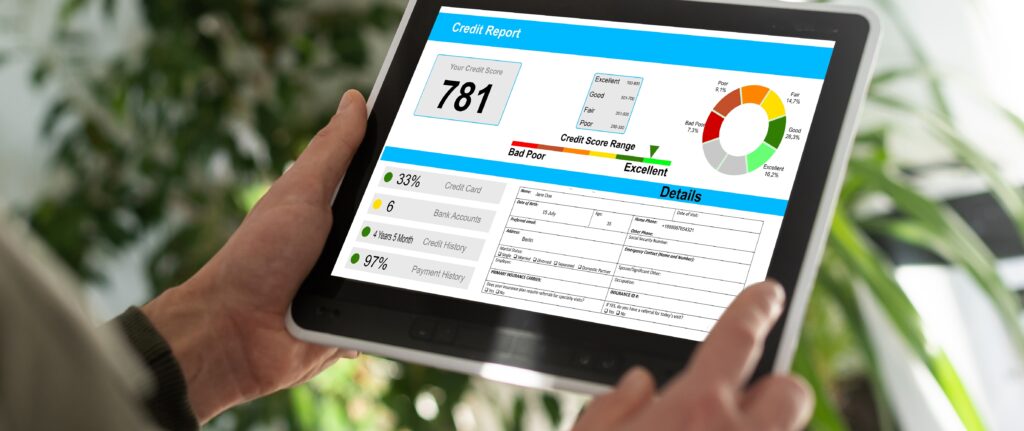
Starting to build credit in your teens or early twenties pays off big time. You’ll unlock better loan rates and access to premium financial products—sometimes saving thousands over your lifetime.
Greater Access to Loans and Discounts
When young adults build a credit history, they unlock more loan options for big purchases. Banks and credit unions usually give their best rates to folks with solid payment records.
Auto loans get way easier to snag with good credit. Dealerships roll out financing choices that just aren’t available to those with zero credit.
Without credit history, many lenders want a cosigner. That can be a hassle if you’re just starting out.
Apartment rentals almost always require credit checks before approval. Landlords lean toward tenants with strong credit because it signals financial responsibility.
If your credit’s shaky or nonexistent, you might have to cough up a bigger security deposit. It feels unfair, but that’s the reality for a lot of young renters.
Credit card companies dangle rewards programs and sign-up bonuses for applicants with good credit. These perks can mean cash back, travel miles, or even 0% APR for a while.
Students with established credit sometimes qualify for premium cards packed with perks. It’s wild how much easier things get with just a little credit history.
Some employers check credit reports if the job involves handling money. Insurance companies also peek at your score to set your rates in plenty of states.
Lower Interest Rates Over Time
Starting to build credit early saves you a lot on interest down the road. The gap between good and bad credit can add up to tens of thousands over a lifetime—no exaggeration.
Mortgage rates swing a lot depending on your score. Someone with excellent credit might land a rate 1-2 points lower than a peer with fair credit.
That difference? It could mean $200-400 less on your monthly house payment. Over time, that’s a game-changer.
Credit card APRs can dip below 15% for excellent credit but shoot past 25% for poor credit. Young adults who build credit early dodge the high-interest traps that can drag on for years.
Personal loan rates depend heavily on your credit. Banks reserve their best offers for folks with scores above 740.
With good credit, you can score better terms for debt consolidation or big purchases. The savings pile up as your borrowing needs grow.
Disadvantages and Pitfalls to Avoid

Building credit isn’t all sunshine. Young adults face real risks—bad habits can wreck your score for years and saddle you with debt that limits your options later.
Dangers of Overspending
Credit cards make spending feel way too easy. It’s tempting to treat your limit as “free money,” but it’s really just borrowed cash that you’ll pay back—with interest.
Common overspending triggers include:
- Online shopping with saved payment info
- Trying to keep up with friends’ spending
- Emergencies when you don’t have a plan
- Impulse buys during sales or promos
The average credit card interest rate hovers above 20% a year. Carrying a $2,000 balance and making just minimum payments? You’d pay over $4,000 in interest and it could take more than 30 years to clear the debt.
Overspending leads to maxed-out cards fast. When your credit use jumps past 30%, your score can drop 50-100 points in just a few months.
Lots of students rack up multiple cards and lose track of their total debt. They look at each card’s limit instead of the big picture—debt-to-income matters more than you think.
Consequences of Missed Payments
Payment history makes up 35% of your credit score—it’s the big one. Miss just one payment and your score could drop 60 to 110 points, especially if your credit history is short.
Immediate consequences include:
- Late fees from $25-$40 each time
- Penalty interest rates up to 29.99%
- Negative marks on your report for seven years
- Account closure after 120-180 days of no payment
It’s easy to underestimate how fast missed payments snowball. A $500 balance can balloon to $800 in just a few months from fees and penalty rates.
Multiple missed payments make things worse, fast. The first time, you might get a warning, but after that, your rates shoot up and your credit lines shrink.
Missed payments don’t just hurt one card. Other companies watch your habits and might raise your rates or lower your limits—even if you’re current with them.
Students who miss payments in college often find themselves locked out of auto loans or mortgages right after graduation. That’s a harsh wake-up call.
Negative Long-Term Impacts on Credit
Bad credit choices early on stick with you. Mistakes add up and get tougher to fix the longer they go unchecked.
Long-term impacts include:
| Area Affected | Impact Duration | Consequences |
|---|---|---|
| Credit Score | 7+ years | Difficulty qualifying for loans |
| Interest Rates | Until credit improves | Thousands in extra costs |
| Employment | Ongoing | Failed background checks |
| Housing | Immediate | Rental application denials |
Young adults with damaged credit pay more for insurance, security deposits, and loans through their twenties and thirties. A 100-point score difference can cost you $50,000 or more in extra interest over your life.
Bankruptcy stays on your credit report for 10 years. That can block you from buying a home, starting a business, or even landing certain jobs.
Fixing bad credit takes way longer than messing it up. Rebuilding usually needs 2-4 years of steady, positive actions, while you can build decent credit from nothing in six to twelve months.
Plenty of employers in finance, government, and security run credit checks. A rough credit history can shut doors before you even get a chance to apply.
Establishing Strong Financial Habits

Building solid financial habits early sets you up for smart credit use later on. If you get good at budgeting and setting goals, you’ll make better credit choices and dodge expensive mistakes.
Budgeting with Credit in Mind
A credit-savvy budget treats cards as tools, not blank checks. Young adults should cap their credit card spending each month—seriously, set a number and stick to it.
The 30% rule is a lifesaver. Try to keep your balance below 30% of your credit limit. Got a $1,000 limit? Don’t let your balance go past $300.
Monthly budget categories might include:
- Fixed expenses (rent, insurance)
- Variable expenses (groceries, gas)
- Credit card payments
- Emergency fund savings
Check your spending every week. Most banks offer apps that sort your purchases automatically, making it way easier to spot trouble before it tanks your credit score.
Set up automatic payments for at least the minimum due. But if you only pay the minimum, you’ll pay a lot more interest in the long run.
Setting Short- and Long-Term Goals
Short-term goals (3-12 months) are all about laying the groundwork. Things like getting your first card and making every payment on time matter more than you’d think.
Some good short-term credit goals:
- Get approved for a starter credit card
- Make six months of on-time payments
- Keep utilization under 10%
- Check your credit reports for errors
Long-term goals (1-5 years) set you up for those big life moves. It takes time to build excellent credit, but the payoff is better rates and more choices.
Make your long-term goals specific and put a deadline on them. Instead of “improve credit score,” try “hit 750 by age 25.” It’s easier to track and build better habits this way.
Write your goals down—seriously, it helps. Folks who do this boost their odds of success by 42%. Check in every six months and tweak things as your situation changes.
Resources and Tools for Young Adults
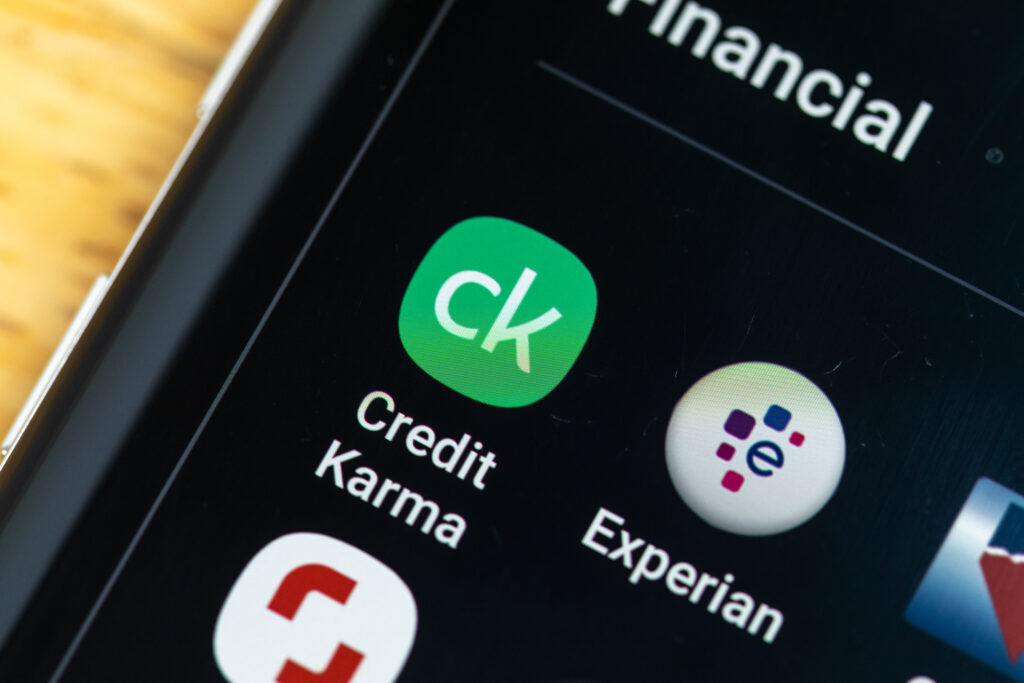
Tons of free or cheap resources can help you get a grip on credit basics and track your progress. The right tools really do make the whole process less overwhelming.
Educational Websites and Calculators
There are trusted sites with free credit education for beginners. The Consumer Financial Protection Bureau explains credit reports and scores in plain English—no jargon, no headaches.
MyFICO.com has calculators that show how different moves can raise or lower your score. You can see how paying off debt or opening a new account might affect things.
Credit.com offers articles and tools to help you track your credit health. You’ll find debt payoff calculators and credit score simulators there, too.
Banks and credit unions usually have financial literacy resources on their websites. Look for:
- Credit score range guides
- Payment calculators
- Budgeting worksheets
- Debt-to-income tools
Community colleges often run free financial literacy classes. These cover credit basics, budgeting, and how to plan for the long haul.
Helpful Apps for Credit Tracking
Staying on top of your credit score and spending habits every day? Mobile apps make it so much easier. Credit Karma gives you free credit scores from two major bureaus and throws in personalized recommendations, too.
The app updates your scores weekly and sends alerts when something important changes. It also has features for credit monitoring and identity theft protection.
Karma connects your credit scores, spending, savings, and borrowing in one place, helping you optimize your finances and reach your goals.
Credit Sesame hands out free credit scores and monitoring services. It also shares credit improvement tips tailored to your own credit report.
Many credit card companies now offer credit score tracking in their mobile apps. Chase Credit Journey and Capital One CreditWise both provide customers with free access to their credit scores and credit reports.
Finding Reliable Advice
Young adults, please—always look for credit advice from trusted sources. It’s way too easy to make expensive mistakes without good guidance.
Certified financial planners can help you build credit the right way, with advice that fits your situation. Non-profit credit counseling agencies offer free consultations and educational resources, too.
The National Foundation for Credit Counseling connects people with certified counselors in their area. Local credit unions often provide financial counseling services for their members.
These sessions usually cover credit building strategies and debt management techniques. Steer clear of any company promising fast credit fixes or asking for upfront fees.
Credit repair takes time, and honestly, you can handle most of it yourself. Online forums and social media groups can be helpful, but always double-check advice with official sources before acting on it.
Credit Tips for Young Adults in the Digital Age

Let’s be real—young adults have it tough in today’s digital world. Data theft and online scams seem to target anyone still building their financial profile.
Smart digital habits can protect your credit score and help you dodge identity theft headaches that can drag on for years.
Protecting Personal Information Online
Guard your personal info like it’s gold. Never share your Social Security number, birthday, or financial details on social media or sketchy websites.
Strong Password Protection
Create unique passwords for every financial account. Mix in letters, numbers, and symbols. Password managers are a lifesaver if you juggle a lot of logins.
Secure Wi-Fi Practices
Skip checking your bank or credit card accounts on public Wi-Fi. Coffee shops and airports might be convenient, but they’re not secure. Use mobile data or a VPN if you need to check financial info on the go.
Regular Account Monitoring
Peek at your bank and credit card statements every week through official apps or websites. Set up alerts for purchases over $50 or anything unusual. You’ll spot fraud early before it wrecks your credit.
Many young adults begin building credit without giving much thought to digital security. Banks offer fraud protection, but it’s way easier to prevent problems than clean up after them.
Recognizing and Avoiding Scams
Scammers are sneaky—they’ll text, email, or call promising easy credit or loan forgiveness. Their goal? Steal your personal info and mess up your credit.
Common Red Flags
- Asking for your Social Security number by email or text
- Offering instant credit approval without an application
- Pushing you to act right now on financial offers
- Requesting upfront fees to “secure” loans or credit cards
Phone and Email Safety
Don’t give personal info to random callers. Real banks and credit card companies won’t call and ask for account details. If you’re unsure, hang up and call the company using the number on their official site.
Social Media Awareness
Scammers dig through social profiles for personal info. Don’t post your birthday, full name, or check-ins that show your daily routine. Keep your financial wins (and struggles) private.
Verification Steps
Look up unfamiliar companies on the Better Business Bureau before sharing any info. Legit credit offers usually show up by mail from known lenders. Credit monitoring services can help you spot weird activity on your credit report.
Frequently Asked Questions
Building credit from scratch? It’s a unique challenge for young adults. Knowing about credit utilization, fraud protection, and how often to check your credit can help you get started on the right foot.
What are the best strategies for young adults to establish a solid credit history?
Try becoming an authorized user on a parent’s card with a good payment record. You’ll benefit from their established credit habits without taking on all the risk.
Opening a secured credit card is another solid move. You’ll put down a cash deposit that sets your credit limit. Most big banks offer secured cards that report to all three credit bureaus.
Student credit cards are built for college-aged folks. They usually have lower limits and are easier to qualify for than regular cards.
Make small purchases and pay them off each month. Try to keep your spending under 10% of your credit limit to keep your utilization low.
How can credit utilization impact a young adult’s credit score?
Credit utilization makes up 30% of your score. Try to keep your total credit usage below 30% of all your available limits.
For the best scores, aim for a utilization rate between 1% and 10%. Using too little credit can ding your score, just like using too much.
Individual card utilization matters, too. Don’t max out any one card—even if your total utilization is low.
Paying down balances before your statement closes can lower the utilization that gets reported. Card companies report to the bureaus on statement dates, not payment due dates.
What steps should young adults take to protect their credit from fraud?
Set up fraud alerts with all three credit bureaus. This makes creditors verify your identity before opening new accounts.
Freeze your credit reports when you’re not applying for new credit. Freezes block unauthorized access completely.
Check your bank and credit card statements every week. Most banks and card companies have apps that send real-time transaction alerts.
Create strong, unique passwords for all your financial accounts. Password managers can help you keep track of them all.
How often should young adults check their credit reports, and why is this important?
Check your credit reports from all three bureaus every four months. This schedule helps you catch errors or fraud quickly without running out of free reports.
Credit reports show your payment history, account balances, and personal info. Regular checks can help you spot wrong addresses or unfamiliar accounts.
If you find an error, dispute it right away. You’ve got 30 days from discovering a mistake to file a dispute with the credit bureau.
Credit monitoring services send you real-time alerts about changes to your file. Many banks and card companies offer these for free.
What are the common mistakes young adults make with credit cards that can be avoided?
Only making minimum payments leads to long-term debt and high interest. Pay your full statement balance whenever you can.
Opening too many cards in a short time hurts your score due to hard inquiries. Each application can drop your score by 5–10 points for a while.
Closing old cards reduces your available credit and shortens your credit history. Keep old accounts open, even if you rarely use them.
Missing due dates can wreck your score. Even one late payment can drop your score by 60–110 points, depending on your history.
How can young adults balance using credit cards and building savings simultaneously?
If you’re just starting out, it helps to treat your credit card like a debit card. Only charge what you know you can pay off right away.
This habit keeps spending in check and quietly builds your credit history over time. You don’t have to go wild—just be mindful.
Setting up automatic savings transfers is a game changer. Even a small, regular deposit grows over time and cushions you for emergencies.
Shoot for at least $500 in your emergency fund before worrying too much about credit scores. It’s not always easy, but that safety net really matters.
Try using your credit card for predictable expenses like groceries or gas. It’s easier to budget when you know what’s coming each month.
That way, you’re less likely to get surprised by a big bill—and you can pay it off in full. No one likes nasty surprises, right?
If your card offers cash-back rewards, that’s a nice bonus. Pick a card that rewards you for stuff you already buy, not things you don’t need.
Disclaimer: Millennial Credit Advisers is not a licensed credit service provider or financial advisor. We do not offer credit repair, debt management, or legal services. Educate yourself on saving, reducing debt, and managing credit for economic improvement. Understand credit reports, scores, and financial products. Consult a financial advisor for personalized guidance. Track your progress for an improved credit journey.
Written content – “Please view our complete AI Use Disclosure.”
We enhance our products and advertising by using Microsoft Clarity to understand how you interact with our website. Using our site, you agree that we and Microsoft can collect and utilize this data. Our privacy policy provides further details.