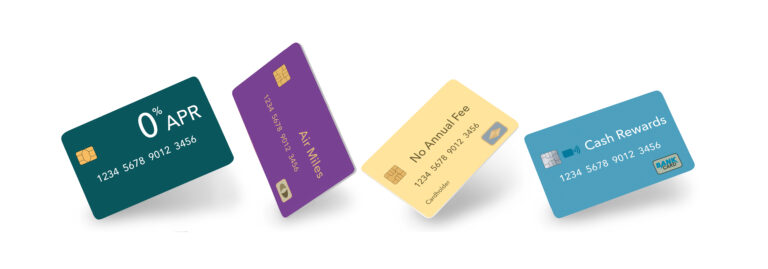
Best Credit Cards to Build Credit for Young Adults. Your Complete 2025 Guide to Financial Success. Find Out More In Our Latest Article.
THIS ARTICLE MAY CONTAIN AFFILIATE LINKS, MEANING I GET A COMMISSION IF YOU DECIDE TO MAKE A PURCHASE THROUGH MY LINKS AT NO COST TO YOU. PLEASE READ MY AFFILIATE DISCLOSURE FOR MORE INFO.
DON’T HAVE TIME TO READ THE FULL ARTICLE. HERE’S WHAT YOU ARE MISSING.
- Best Credit Cards to Build Credit for Young Adults. Your Complete 2025 Guide to Financial Success. Find Out More In Our Latest Article.
- What Makes a Credit Card Great for Young Adults?
- Top Best Credit Cards to Build Credit for Young Adults
- Advantages of Using Credit Cards to Build Credit
- Common Disadvantages and Risks of Beginner Credit Cards
- How to Apply for Your First Credit Card
- Smart Tips for Using Your First Credit Card Effectively
- Key Giveaways
- Mistakes to Avoid When Building Credit
- Start Your Credit Journey Today
- Frequently Asked Questions
Building credit as a young adult can feel overwhelming. Choosing the right credit card can significantly shape your financial foundation.
The best credit cards for young adults typically have no annual fees, low credit requirements, and include tools to help you develop smart spending habits. Many young people delay getting their first card out of fear or confusion, missing an opportunity to build their credit history early.

The credit card market has several options tailored for students and young adults with little or no credit history. These cards often come with cash back rewards, credit monitoring, and the chance to upgrade as your score improves.
Knowing which cards offer the most value with the least risk helps you make smarter choices about your financial future. Starting early with credit gives you a leg up when it’s time to get loans, rent an apartment, or even land certain jobs.
The trick is to pick a card that fits your current financial reality but still lets you grow and learn good credit habits.
Here are a few great tips
- Look for cards with no annual fees and educational resources to build credit the right way
- Getting started early with the right card pays off big for future decisions like loans and housing
- Smart credit card use and strong financial habits lay the groundwork for real financial success
What Makes a Credit Card Great for Young Adults?

Young adults really need credit cards with low fees, easy approval, and clear ways to build credit. The best cards focus on education, simple rewards, and helping you develop solid habits—without sneaky penalties.
Key Features to Look For
No Annual Fee should top your list. Many credit cards for young adults skip this fee entirely.
Low Interest Rates matter, especially if you sometimes carry a balance. Tight budgets call for lower APRs to avoid falling into debt traps.
Credit Education Resources are a big plus. The best cards give you free credit scores, spending alerts, and easy-to-digest info about using credit wisely.
Reasonable Credit Requirements make it possible to get approved even with limited or no credit. Cards for young adults often accept folks with fair or no credit.
Rewards Programs should be straightforward. Cash back on everyday stuff beats complicated point systems when you’re just starting out.
Mobile App Features let you manage your account and pay bills on the go. Most young adults want digital banking that fits their lifestyle.
How Credit Cards Help Build Credit Scores
Payment History makes up 35% of your score. Paying on time every month is the single most important thing you can do.
Credit cards report your activity to all three major credit bureaus. This builds a consistent credit history that lenders notice.
Credit Utilization improves when you keep your balance low. Try to use less than 30% of your available credit—it really bumps up your score.
Length of Credit History grows as you use your card responsibly. The earlier you start, the more time you have to build this up.
Credit Mix gets a boost when you add a credit card to other accounts, like student loans. Lenders like seeing a variety of account types.
Regular card use shows lenders you can handle revolving credit. That’s way better than having no credit at all.
Why Young Adults Need to Start Early
Time Builds Credit Strength—the longer your history, the better. If you start at 18 instead of 25, you gain seven extra years of credit building.
Future Financial Goals—like buying a house, getting a car loan, or renting an apartment—all depend on good credit.
Lower Interest Rates go to those with solid credit. Building early can save you thousands on big purchases down the road.
Credit Card Benefits get better as your score grows. Higher limits and premium rewards come with a good credit history.
Emergency Access to credit can save the day when life throws a curveball. Having credit established is a real safety net.
Employer Background Checks sometimes include your credit report. Good credit can make a difference, especially in financial jobs.
Learning how to manage credit young sets you up with habits that last a lifetime. It’s a lot easier to avoid those painful mistakes early on.
Top Best Credit Cards to Build Credit for Young Adults

When you’re starting out, you’ll see three main types of credit cards. Each one fits different needs, from secured cards that need a deposit to student cards with perks just for college-aged folks.
Secured vs. Unsecured Credit Cards
Secured credit cards ask for a cash deposit, usually $200 to $500, which becomes your credit limit. If you don’t have a credit history, this is often the best place to start.
Most secured cards report to all three credit bureaus every month. That gets your credit history going fast if you pay on time.
Benefits of secured cards:
- Super easy to get approved
- Lower risk if you’re new to credit
- You get your deposit back when you close the account
Unsecured credit cards don’t require a deposit, but you usually need a better credit score. Young adult cards in this space often have higher limits and better rewards.
You might need a co-signer to qualify. Parents or guardians can help unlock better terms. Interest rates here are often lower than with secured cards.
If you manage a secured card well, you can usually move up to an unsecured card after 6-12 months.
Student Credit Cards with Attractive Benefits
Student cards are made for college students with limited income. They get that your spending habits and needs are a bit different.
Common student card benefits include:
- Cash back on dining and entertainment
- Rewards for buying textbooks
- No annual fees (at least for the first year)
- Perks for good grades
Cards for young adults often pack in financial education and credit monitoring. Some even send spending alerts to keep you on track.
Many student cards rotate bonus categories every few months—think gas, groceries, or online shopping. Limits usually start between $500 and $1,500.
Use your card responsibly, and you might see your credit limit grow automatically every six months.
Low-Interest Credit Cards for Beginners
Low-interest cards help you avoid costly debt while you learn the ropes. They focus on keeping things affordable, not on fancy rewards.
Key features include:
- APRs usually below 18%
- 0% intro periods on purchases
- Simple, easy-to-understand fees
- Basic online account tools
Best credit building cards for young people often highlight low costs over high rewards. That helps you focus on paying bills, not chasing points.
Some cards offer extra payment flexibility in the first year, like longer grace periods. After you build a payment history, balance transfer options might open up—great for consolidating debt at lower rates.
These cards often come with budgeting tools and credit education. Getting those skills early really pays off.
Advantages of Using Credit Cards to Build Credit

Credit cards give young adults three big ways to grow financially. They help you build credit, teach money management, and open doors to better loans down the road.
Establishing a Credit History
If you don’t have any credit, you’re what lenders call “credit invisible.” They can’t judge your risk without some history. Credit cards are one of the easiest ways to start building credit from scratch.
Key benefits include:
- Your payment history shows up on your credit report each month
- Account age starts building right away
- Your credit mix improves with revolving credit
- You can get a FICO score in as little as six months
Every on-time payment boosts your credit profile. Even small purchases like snacks or gas count if you pay them off each month.
Student and secured cards work well for beginners. They’re made for people with little or no credit and report to all three bureaus.
Learning Financial Responsibility
Credit cards teach you money skills that cash just can’t. You’ll learn to track spending, juggle due dates, and understand how interest really works.
Financial skills developed:
- Budgeting: Monthly statements show exactly where your money goes
- Payment timing: Due dates teach you to stay on schedule
- Interest awareness: Seeing APR charges makes borrowing costs real
- Credit utilization: Keeping balances low helps your score
Monthly statements are like a financial report card. They make your habits obvious—sometimes painfully so!
Missing a payment stings. You’ll see fees or a hit to your credit, which is a tough but important lesson.
Keeping your balance below 30% of your limit helps your score and teaches you to plan ahead.
Potential for Higher Credit Limits
Most new cardholders start with low limits. But if you use your card wisely, those limits usually go up over time.
Limit increase benefits:
- Your utilization ratio drops, which helps your score
- You’ve got more backup for emergencies
- Higher scores mean better credit offers down the road
- You can qualify for premium cards and perks later on
Card companies typically review accounts every six months. They look at your payment habits, income, and balances. If you’re doing well, you might get a limit bump without even asking.
Higher limits give you more flexibility. You can make bigger purchases without maxing out your card, which keeps your score healthy.
Start early and you could qualify for premium cards by your mid-twenties—think better rewards and lower rates. That early discipline really pays off.
Common Disadvantages and Risks of Beginner Credit Cards

Young adults run into real financial trouble if they use credit cards without knowing the basics. Interest rates can shoot up to 29%—and missed payments stick to your credit for years.
It’s easy to spend more than you mean to and end up deep in debt.
High Interest Rates and Fees
Beginner credit cards usually hit you with higher interest rates than cards for people with experience. Most starter cards land somewhere between 20% and 29% APR.
Annual fees for basic cards range from $25 to $95. Late payment fees can reach $40, which really stings if you’re already tight on cash.
Foreign transaction fees tack on another 3% when you buy things outside the U.S. If you take out cash, expect a $10 fee or 5% of what you withdraw.
Some cards even sneak in monthly maintenance fees. For young adults with not much income, these costs add up fast.
Fee Types:
- Annual fees: $0-$95
- Late payment: Up to $40
- Over-limit: Up to $35
- Cash advance: $10 or 5% of amount
The risks of credit cards can spiral if you don’t pay your full balance each month.
Credit Score Damage from Misuse
Miss a payment, and your credit score takes a hit right away. Payment history counts for 35% of your score—so it’s a big deal.
Late payments hang around on your report for seven years. Just one 30-day late payment can drop your score by 60 to 110 points.
If you rack up high balances, your credit utilization ratio suffers. The general rule: keep balances under 30% of your available credit.
Closing old cards shortens your credit history, which can lower your score by 10 to 20 points. Applying for too many cards at once also dings your score—each hard inquiry can shave off 5 to 10 points.
Multiple applications in a short time? That can hurt even more. Knowing the negatives of credit cards helps you avoid these traps.
Temptation to Overspend
Credit cards make spending feel almost painless compared to cash. Studies say young adults spend 12% to 18% more with cards.
When you see a high credit limit, it’s easy to think you’ve got more money than you really do. Some folks treat that limit like it’s extra cash, not borrowed money.
Minimum payments look easy, but they drag out debt for decades. For example, paying only minimums on $2,000 can keep you in debt for over 30 years.
Common Overspending Triggers:
- Online shopping convenience
- Delayed payment consequences
- Reward point incentives
- Emergency expense justification
Social pressure and lifestyle creep push young adults to use cards for things they can’t really afford. The convenience factor makes it way too easy to buy on impulse—one-click payments and saved card info remove almost all friction.
How to Apply for Your First Credit Card

Getting your first credit card isn’t as complicated as it sounds. You just need to meet the age and income rules, pull together a few documents, and pick a card that fits your situation.
Most young adults can get a starter card—even if they don’t have a credit history yet.
Eligibility Requirements
You must be at least 18 years old to apply independently. If you’re under 21, there are extra hoops to jump through thanks to the CARD Act of 2009.
Age 18-20: You’ll need to show you have your own income or get a cosigner. Part-time jobs, internships, or even regular family support can count as income.
Age 21+: You can apply solo, and you don’t have to prove income beyond your own earnings.
Basic requirements include:
- Valid Social Security number
- US address (permanent or temporary)
- Income of at least $1,000 a year for most cards
- No recent bankruptcies or serious credit issues
Students sometimes qualify with less income. Many card companies count scholarships, grants, and financial aid as income when you apply.
You don’t need a credit history for most starter cards. There are student cards and secured cards made just for people starting from scratch.
Preparation Steps for Young Adults
Check your credit report first. Even if you think you have no history, you can get a free report at annualcreditreport.com.
Pick the right card:
- Student cards for college students
- Secured cards (you put down a deposit)
- Basic unsecured cards with no annual fee
Do your homework on card features. Look for no annual fees, fair interest rates, and rewards that fit your lifestyle.
Apply online for the quickest answer. A lot of issuers give instant approval decisions in under a minute.
Only apply for one card at a time. Too many applications at once can hurt your score and make you look risky to lenders.
If you already have a bank, try them first. Having an existing relationship can boost your odds of approval.
What Documentation Is Needed?
Personal info you’ll need:
- Full legal name
- Date of birth
- Social Security number
- Current address and phone number
To verify income, you might use:
- Recent pay stubs
- Bank statements showing deposits
- Tax returns or W-2s
- An employment letter
Sometimes they’ll ask for:
- Driver’s license or state ID
- Proof of address (like a bill or lease)
- Student enrollment proof for student cards
Most applications just ask for your income amount up front. Lenders rarely need full documentation unless they flag something during review.
For secured cards, you’ll need to provide a deposit—usually $200-500. That deposit becomes your credit limit.
Have everything ready before you start. The application process is pretty straightforward if you’re prepared.
Smart Tips for Using Your First Credit Card Effectively

Getting approved is just the first step. The real challenge is using your card wisely—paying on time, keeping balances low, and earning rewards without digging yourself into a hole.
Paying Your Balance on Time
Payment history is 35% of your credit score. Paying on time is the single most important thing you can do.
Set up automatic payments so you never miss a due date. Most banks let you auto-pay the full balance or just the minimum—but go for the full balance if you can to avoid interest.
Try to pay a few days early. That way, you have a buffer if there’s a delay, and you won’t get hit with a late fee.
One missed payment can drop your score by 60 to 110 points. If you’re just starting out, that hurts even more.
Could you set up phone reminders or calendar alerts as backup? Most credit card apps send notifications before your bill is due.
Keeping Credit Utilization Low
Credit utilization is just how much of your limit you’re using. Keep it under 30%, but honestly, under 10% is even better.
If your limit is $1,000, try not to let your balance go over $100. That shows lenders you’re not maxing out your card every month.
High utilization tanks your credit score quickly. It’s 30% of your score, but the good news is you can fix it fast by paying down your balance.
Pay off your card before the statement closes to keep your utilization low on your credit report. Card companies usually report your balance on your statement date.
If you use your card a lot, make extra payments throughout the month. That way, your balance stays low even if you swipe often.
After six months of on-time payments, ask for a credit limit increase. A higher limit makes it easier to keep utilization low without changing your spending.
Using Rewards Wisely
Rewards cards are great, but only if you never pay interest. Don’t carry a balance just to get points—the interest wipes out any benefit.
Stick to simple rewards programs at first. A basic cashback card that gives 1-2% on everything is easier to manage than complicated point systems.
Don’t buy stuff you don’t need just for rewards. If you go into debt for points, you’ll always lose money in the end.
Use your rewards for things you actually want or need. Some people let rewards expire, while others spend them on stuff they don’t care about.
Check your rewards regularly in your card’s app or website. Some rewards expire, so set a reminder to use them before they’re gone.
If you spend a lot on certain things, like groceries, pick a card that gives extra rewards in those categories.
Key Giveaways

Young adults really need specific credit card features to build credit the right way. Look for low fees, credit monitoring, and a path to better cards as you grow.
Summary of Essential Takeaways
Secured credit cards are usually the safest way to start. You put down a deposit, but you get to build a payment history.
Student credit cards are built for college-age users. They often come with educational tools and a bit more forgiveness if you’re just starting out.
Here’s what to look for:
- No annual fees (save your money!)
- Credit score monitoring so you can track your progress
- Automatic credit line increases if you use your card responsibly
- Graduation programs that let you upgrade to better cards
When you pay before the statement date, you keep your utilization low and boost your score faster. The sweet spot for utilization is below 10%—that’s what shows credit bureaus you know what you’re doing.
Useful Related Resources
Plenty of tools make credit building less stressful for young adults. Credit monitoring apps give you real-time score updates and spending alerts, which is honestly a game-changer.
Some card issuers offer educational resources that teach solid credit habits. Many banks even run financial literacy programs just for folks new to credit.
Budgeting apps like Credit Karma can help you keep tabs on spending and make sure you pay bills on time. They’re not perfect, but they cover most bases for money management.
Credit unions often step up with personalized guidance for younger members. Their fees are usually lower, and they tend to be more flexible than big banks when it comes to approvals.
Mistakes to Avoid When Building Credit

Building credit takes planning and smart choices. One wrong move early on can haunt your score for years and make future financial goals way harder.
Missing Payments
Payment history is 35% of your credit score. Missing just one payment can drop your score by 60 to 100 points, which stings.
Late payments stick to your credit report for seven years. That’s a long time to deal with the fallout.
Set up automatic payments so you never miss a due date. Most credit cards let you pay the minimum or the full balance automatically—just set it and forget it.
Timing matters here. Credit card companies report to bureaus monthly, and a payment that’s 30 days late gets reported and hurts your score.
It’s easy to forget payment dates with school and work in the mix. Use phone alerts or calendar reminders if you need the nudge.
Applying for Too Many Cards
Every time you apply for a credit card, you get a hard inquiry on your report. Too many in a short time makes lenders nervous.
Multiple applications hurt your score. Five or more inquiries in a year can drop your score by 10 to 20 points.
Some young adults apply for a bunch of cards, hoping one will stick. This common credit building mistake usually backfires and makes approvals even harder.
Space out applications by at least six months. Do your homework and pick cards that actually fit your credit profile.
Student cards and secured cards are easier to get if you’re just starting out. Stick with one card and use it well before thinking about a second.
Neglecting to Monitor Your Credit Report
Lots of young adults skip checking their credit reports. That leaves them in the dark about errors or even identity theft that can wreck their score.
Check your report monthly—it’s free through services like Credit Karma or your credit card company. Look for accounts you don’t recognize or payments marked late that you know you made on time.
About 20% of credit reports have errors, according to the FTC. Catching mistakes early can save you a ton of hassle later.
Identity theft is a real risk for young adults. Thieves target people with little credit history because they know fraud can slip through the cracks.
Set up credit monitoring alerts. They’ll ping you when new accounts open or your score changes, giving you a heads-up before things get out of hand.
Start Your Credit Journey Today
Building credit as a young adult takes action, not just good intentions. The sooner you start, the more time you have to build a solid history.
Ready to make a move? Pick one of the best credit cards to build credit for young adults that fits your goals and situation.
Here’s what you should do right now:
• Compare card options – Check out fees, limits, and rewards.
• Check your credit score – Know where you stand before you apply.
• Gather your paperwork – Have your ID, proof of income, and bank statements ready.
• Apply for one card – Seriously, don’t shotgun applications.
Most important steps:
- Set up automatic payments to dodge late fees
- Keep spending under 30% of your credit limit
- Pay off your balance every month if you can
- Monitor your credit reports for mistakes
Start building credit early, and you’ll have way more options down the road. Better loan rates, easier apartment rentals, and sometimes even a leg up on job applications.
Don’t wait until you’re desperate for credit. Starting now means you’ll have more doors open later.
The best credit cards for building credit among young adults come with helpful tools and resources. Many offer score tracking and educational guides right in the app.
Go for it. Apply for that starter card and start building your financial foundation today.
Frequently Asked Questions
Young adults have many questions when it comes to choosing credit cards. Here are some answers to the big ones about building credit.
How can young adults choose the best credit card for building credit?
Credit history length matters more than you might think. Starting with a secured card is usually the easiest way in if you have no credit at all.
Student credit cards are designed for college-aged folks. They’re easier to get and often include resources on using credit wisely.
Keep your credit utilization under 30%. Lower is better—it shows you’re on top of things.
Payment history is 35% of your score. Set up auto-pay for at least the minimum to avoid late fees and dings to your credit.
Watch out for annual fees. If the benefits don’t clearly outweigh the cost, skip cards that charge them.
What features should be considered when selecting a credit card for credit-building purposes?
Some cards report to all three credit bureaus, while others don’t. Make sure you pick one that does for the best impact.
Graduation options let you move from a secured card to an unsecured one without a new application. Super helpful as your credit grows.
Credit limit increases work differently with every issuer. Some bump you up automatically, others make you ask for it.
Grace periods help you avoid interest if you pay in full. Look for cards with at least a 21-day grace period.
Fraud protection is key. Zero liability policies keep you safe from unauthorized charges, which is a relief when you’re just starting out.
Disclaimer: Millennial Credit Advisers is not a licensed credit service provider or financial advisor. We do not offer credit repair, debt management, or legal services. Educate yourself on saving, reducing debt, and managing credit for economic improvement. Understand credit reports, scores, and financial products. Consult a financial advisor for personalized guidance. Track your progress for an improved credit journey.
Written content – “Please view our complete AI Use Disclosure.”
We enhance our products and advertising by using Microsoft Clarity to understand how you interact with our website. Using our site, you agree that we and Microsoft can collect and utilize this data. Our privacy policy provides further details.